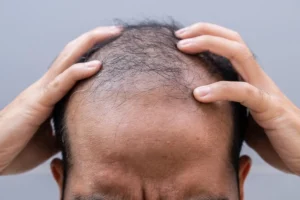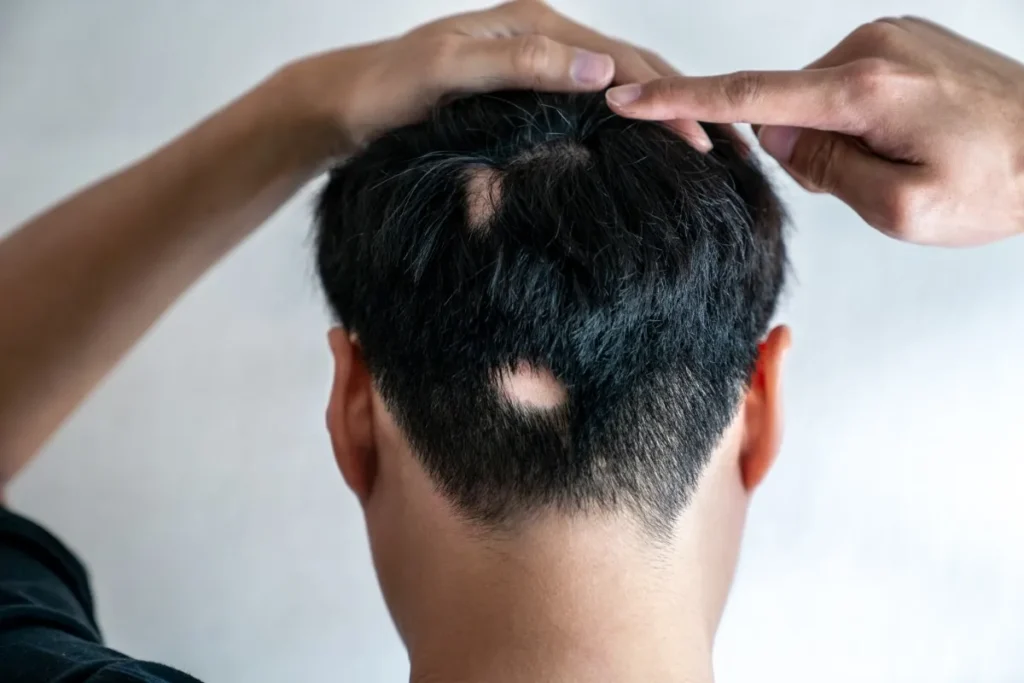
Alopecia natural treatment approaches have gained popularity as people seek gentle, non‑invasive ways to combat hair loss. Understanding why hair thins and exploring evidence‑based remedies can empower you to make informed choices. In fact, over 40 % of individuals experiencing early‑stage hair loss report noticeable improvement after incorporating lifestyle adjustments and natural products into their routine.
This article delves into the science behind alopecia, outlines practical lifestyle changes, reviews herbal and nutritional options, and highlights topical solutions you can try at home. We will also discuss when it may be time to consider professional interventions such as hair transplantation, ensuring you have a clear roadmap from natural care to advanced treatment.
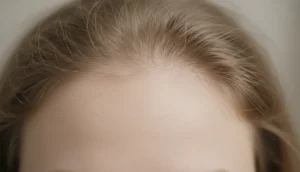
Whether you are dealing with male‑pattern baldness, female thinning, or an autoimmune form like alopecia areata, the strategies presented here are designed to support scalp health, stimulate hair follicles, and boost confidence without resorting to harsh chemicals.
Understanding Alopecia and Its Causes
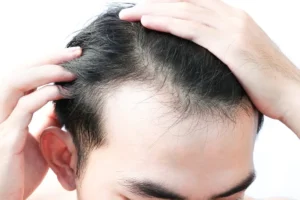
Before selecting any alopecia natural treatment, it is essential to grasp the underlying mechanisms that lead to hair loss. Alopecia can be classified into several types, including androgenetic alopecia, telogen effluvium, and alopecia areata. Each has distinct triggers, ranging from hormonal imbalances to stress‑induced follicle cycling.
Key factors that influence hair health include:
- Genetic predisposition – especially relevant for male‑pattern baldness.
- Hormonal fluctuations – DHT (dihydrotestosterone) can shrink follicles.
- Nutrient deficiencies – low iron, zinc, and biotin levels weaken hair.
- Chronic stress – elevates cortisol, pushing hairs into the shedding phase.
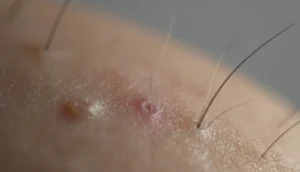
- Scalp inflammation – autoimmune reactions target hair follicles.
Recognizing these contributors helps you tailor a natural regimen that addresses the root cause rather than merely masking symptoms. For instance, a diet rich in hair growth nutrients can counteract deficiencies, while stress‑management techniques may reduce telogen effluvium episodes.
Lifestyle Changes That Support Hair Regrowth
Adopting healthier habits forms the foundation of any successful alopecia natural treatment plan. Simple adjustments can create an environment where hair follicles thrive.
Nutrition and Hydration
Consuming a balanced diet abundant in protein, omega‑3 fatty acids, and essential vitamins is vital. Foods such as salmon, walnuts, eggs, and leafy greens supply the building blocks for keratin production. Additionally, staying well‑hydrated improves circulation to the scalp, delivering nutrients more efficiently.
Stress Management
Chronic stress is a common trigger for hair shedding. Practices like mindfulness meditation, yoga, and regular aerobic exercise have been shown to lower cortisol levels, thereby reducing the risk of telogen effluvium. Even short, daily breathing exercises can make a measurable difference.
Scalp Care Routine
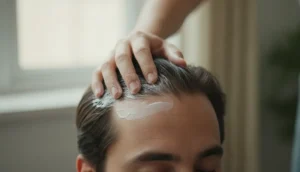
Gentle scalp massage stimulates blood flow, which can promote follicle activity. Use fingertips to massage in circular motions for 5‑10 minutes each night. Avoid harsh shampoos that strip natural oils; instead, choose sulfate‑free cleansers that maintain the scalp’s protective barrier.
| Daily Habit | Benefit for Hair |
|---|---|
| Protein‑rich meals | Provides keratin precursors |
| Omega‑3 intake | Reduces inflammation |
| Scalp massage | Enhances blood circulation |
| Stress‑relief practice | Lowers cortisol‑induced shedding |
Herbal and Nutritional Remedies for Hair Growth
Nature offers a variety of herbs and supplements that have been traditionally used to support hair health. While scientific evidence varies, many users report positive results when these remedies are combined with a balanced diet.
Key Herbs
- Rosemary oil – Often applied topically, it may improve circulation and stimulate follicles.
- Saw palmetto – A supplement that some studies suggest can inhibit DHT formation.
- Ginseng – Known for its antioxidant properties, it may protect hair from oxidative stress.
- Amla (Indian gooseberry) – Rich in vitamin C, it supports collagen synthesis and scalp health.
Vitamins and Minerals
Research highlights the importance of biotin, vitamin D, iron, and zinc for robust hair growth. A daily multivitamin that includes these nutrients can fill gaps that diet alone might miss. However, it is advisable to consult a healthcare professional before beginning any supplement regimen.
DIY Herbal Rinse
Creating a natural hair rinse is an easy way to incorporate herbs into your routine. Combine brewed rosemary and nettle leaves, let the mixture cool, and use it as a final rinse after shampooing. This approach can add a soothing, aromatic element while delivering beneficial phytochemicals directly to the scalp.
Topical Natural Products and DIY Treatments
When seeking immediate, visible results, topical solutions are often the first line of defense. Many over‑the‑counter natural products aim to reinforce the hair shaft and protect the scalp.
Essential Oil Blends
Combining carrier oils like jojoba or argan with essential oils (peppermint, lavender, rosemary) creates a potent blend that can be massaged into the scalp. Peppermint oil, in particular, has been shown to increase follicle depth in animal studies, suggesting a potential boost in human hair growth.
Plant‑Based Serum Options
Serums containing ingredients such as caffeine, niacinamide, and botanical extracts (e.g., green tea, tea tree) are formulated to strengthen existing strands and reduce breakage. Look for products that are free from sulfates, parabens, and silicones to maintain scalp health.
DIY Hair Mask
Mix equal parts of mashed avocado, honey, and coconut oil to create a nourishing mask. Apply to damp hair, leave for 30 minutes, then rinse thoroughly. This mask delivers fatty acids, antioxidants, and moisture, all of which support the hair growth cycle.
| Product Type | Key Natural Ingredients | Primary Benefit |
|---|---|---|
| Essential Oil Blend | Peppermint, rosemary, jojoba | Stimulates blood flow |
| Plant‑Based Serum | Caffeine, green tea extract | Reduces follicle miniaturization |
| DIY Hair Mask | Avocado, honey, coconut oil | Deep moisturization |
When Natural Approaches Aren’t Enough: Professional Options
While many individuals achieve satisfactory results with natural methods, some cases of alopecia require more advanced interventions. Recognizing the limits of home‑based treatments helps you decide when to seek expert care.
Hair Transplant Techniques
Procedures such as Follicular Unit Extraction (FUE) and Direct Hair Implantation (DHI) offer permanent restoration by relocating healthy follicles from donor areas to thinning zones. These techniques are performed under local anesthesia and provide natural‑looking density when executed by experienced surgeons.
Medical Therapies
Prescription medications like minoxidil and finasteride remain gold standards for stimulating hair growth in androgenetic alopecia. In addition, emerging therapies such as platelet‑rich plasma (PRP) injections can complement natural regimens by delivering growth factors directly to the scalp.
Integrating Natural and Clinical Care
Combining a disciplined natural regimen with professional treatments can accelerate results and improve long‑term outcomes. For example, maintaining a nutrient‑rich diet and using herbal scalp oils can support graft survival after a transplant, while stress‑reduction practices enhance overall healing.
Consulting a qualified hair restoration specialist allows you to assess the severity of your condition, discuss realistic expectations, and develop a personalized plan that may blend natural and medical strategies.
Why Choose Gold City Hair
Gold City Hair has been a trusted hair restoration center in Turkey since 2017, offering cutting‑edge FUE, DHI, and eyebrow/beard transplant procedures. Our team prioritizes personalized care, transparent communication, and the highest safety standards, ensuring each patient receives a tailored solution that matches their unique needs and aesthetic goals.
Ready to restore your confidence with a proven, personalized hair restoration plan? Contact Gold City Hair today to schedule a complimentary consultation and discover the best path forward for your hair journey.
FAQ
What are the most effective natural treatments for alopecia?
Key natural treatments include a nutrient‑rich diet, herbal oils like rosemary, scalp massage, and stress‑reduction practices.
How does scalp massage help hair growth?
Scalp massage increases blood flow, delivering nutrients and oxygen to hair follicles.
Can herbal rinses like rosemary and nettle improve alopecia?
Yes, rosemary and nettle rinses can soothe the scalp and deliver beneficial phytochemicals.
When should I consider professional hair restoration instead of natural methods?
If hair loss progresses despite consistent natural care, it’s time to consult a specialist.
What vitamins and minerals are essential for hair growth?
Biotin, vitamin D, iron, zinc, and omega‑3 fatty acids are crucial for healthy hair.
How can I create a natural hair mask at home?
Mix equal parts mashed avocado, honey, and coconut oil for a nourishing mask.