Proper scalp care for hair growth is the foundation of a healthy, full head of hair, yet many people overlook the simple steps that can make a big difference. In this article we explore how to nurture the scalp environment, adopt daily habits, select the right products, and support hair follicles with nutrition. By understanding the science behind hair regeneration, you can take proactive measures to reduce hair loss and encourage new growth.
Did you know that up to 40% of men and women experience noticeable thinning by the age of 35? The good news is that early, consistent scalp care can slow this process and improve the thickness of existing strands. From gentle cleansing to targeted serums, each practice plays a role in maintaining optimal blood flow and follicle health.
We’ll walk you through practical strategies—both at home and in a clinical setting—so you can build a personalized routine that fits your lifestyle. Whether you’re dealing with early signs of balding or simply want to keep your hair looking its best, the guidance below will help you make informed choices.
Understanding the Scalp Environment
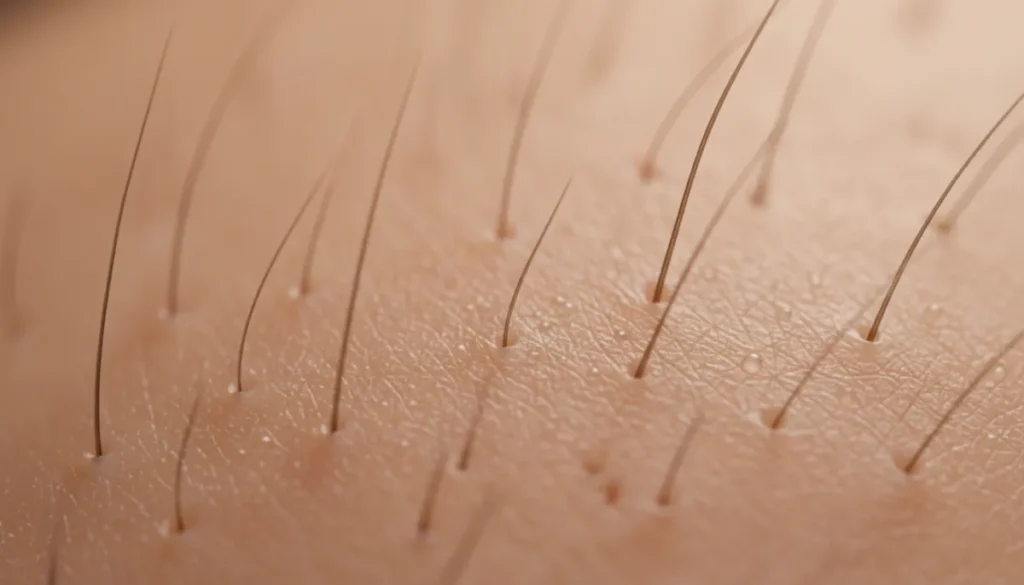
The scalp is more than just a surface for hair to grow out of; it’s a complex ecosystem of skin, oil glands, microbes, and blood vessels. A balanced scalp environment supports follicle activity, while inflammation or excess sebum can hinder hair growth. Recognizing the signs of an unhealthy scalp is the first step toward effective care.
Key factors that affect scalp health include:
- Oil production – too much can clog follicles, too little can cause dryness.
- pH balance – a slightly acidic pH (around 5.5) protects against harmful bacteria.
- Microbiome – a diverse community of good bacteria helps maintain barrier function.
- Blood circulation – adequate flow delivers nutrients essential for follicle regeneration.
When these elements are out of sync, you may notice itching, flakiness, or increased shedding. A simple scalp assessment can reveal whether you need a moisturizing approach, a clarifying treatment, or a combination of both.
| Scalp Condition | Typical Signs | Recommended Action |
|---|---|---|
| Dry, Tight | Itching, flakes, dull hair | Hydrating scalp moisturizer, gentle sulfate‑free shampoo |
| Oily, Greasy | Excess shine, rapid buildup | Clarifying scalp treatment, lightweight serum |
| Inflamed, Red | Burning sensation, visible redness | Anti‑inflammatory scalp rinse, avoid harsh chemicals |
By tailoring your routine to the specific needs of your scalp, you set the stage for optimal scalp care for hair growth. The next sections detail everyday habits that reinforce these principles.
Daily Habits That Promote Hair Growth
Consistent daily habits are the backbone of any successful hair‑care regimen. Small adjustments in how you wash, style, and protect your hair can dramatically influence the effectiveness of scalp care for hair growth.
Gentle Cleansing
Choosing the right shampoo is crucial. Look for sulfate‑free formulas that cleanse without stripping natural oils. Massage the scalp gently with fingertips—not nails—to stimulate circulation. Aim for 2–3 washes per week for most hair types; over‑washing can disrupt the scalp’s protective barrier.
Scalp Massage
Massaging the scalp for 3–5 minutes each day encourages blood flow, delivering oxygen and nutrients to hair follicles. Use light pressure in circular motions, or consider a handheld scalp massager for a consistent routine.
Heat Management
Excessive heat from blow‑dryers, straighteners, or curling irons can damage the cuticle and weaken follicles. When heat styling is necessary, apply a heat‑protectant spray and keep the temperature below 180°C (350°F). Allow hair to air‑dry whenever possible.
Protection from Environmental Stressors
UV radiation, wind, and pollution can degrade scalp health. Wearing a hat or using a UV‑filtering hair product during prolonged sun exposure helps preserve the scalp’s natural defenses.
- Wash with lukewarm water, not hot.
- Limit tight hairstyles that pull on the scalp.
- Use a silk pillowcase to reduce friction while sleeping.
Implementing these habits creates a supportive environment for follicles, making any supplemental hair growth products you use more effective.
Targeted Treatments and Products
When daily habits are in place, targeted treatments can accelerate results. The market offers a wide range of options, from topical serums to advanced medical therapies. Selecting the right solution depends on your specific concerns and the condition of your scalp.
Topical Serums and Oils
Products containing ingredients such as minoxidil, biotin, caffeine, and peptides have demonstrated efficacy in stimulating follicle activity. A hair growth serum applied directly to the scalp can increase nutrient delivery and reduce inflammation.
Scalp Exfoliation
Exfoliating scrubs or chemical peels (containing salicylic acid) help remove dead skin cells and excess sebum, clearing the path for new growth. Use an exfoliant once a week to avoid irritation.
Medical Options
For more pronounced hair loss, prescription treatments like finasteride or oral supplements may be recommended by a dermatologist. These medications work by inhibiting the hormone DHT, a primary factor in male‑pattern baldness and female thinning.
Below is a quick comparison of popular treatment categories:
| Category | Key Ingredients | Typical Use | Pros | Cons |
|---|---|---|---|---|
| Hair Growth Serum | Minoxidil, caffeine, peptides | Twice daily topical | Non‑invasive, easy to apply | Requires consistency, may cause scalp irritation |
| Scalp Exfoliant | Salicylic acid, charcoal | Once weekly | Improves pore clearance | Potential dryness if overused |
| Finasteride (Prescription) | Finasteride 1 mg | Oral daily | Clinically proven for male pattern loss | Possible systemic side effects |
| Natural Supplements | Biotin, zinc, saw‑palmetto | Oral daily | Supports overall hair health | Results vary, slower onset |
When choosing a product, look for clinical studies supporting its claims, and consider a patch test to ensure compatibility with your scalp’s sensitivity.
Nutritional Support and Supplements
Hair follicles rely on a steady supply of vitamins, minerals, and proteins. Deficiencies in key nutrients can manifest as thinning, brittleness, or slowed growth. Integrating a balanced diet with targeted supplements enhances the effectiveness of your scalp care for hair growth routine.
Essential Vitamins and Minerals
- Biotin (Vitamin B7) – strengthens keratin structure.
- Vitamin D – regulates hair follicle cycling.
- Iron – essential for oxygen transport to follicles.
- Zinc – supports oil gland function and DNA synthesis.
- Omega‑3 fatty acids – reduce inflammation and improve scalp moisture.
Best Hair Growth Supplements
Many brands market “best hair growth supplements,” but the most effective formulas combine the nutrients listed above in bioavailable forms. Look for products that are third‑party tested for purity.
Dietary Sources
Incorporate foods such as salmon, eggs, spinach, nuts, and legumes into your meals. A diet rich in lean protein and antioxidants provides the building blocks for robust hair.
Below is a sample weekly nutrition plan aimed at supporting hair health:
| Day | Meal Focus | Key Nutrients |
|---|---|---|
| Monday | Grilled salmon with quinoa | Omega‑3, protein, zinc |
| Tuesday | Spinach and mushroom omelet | Biotin, iron, vitamin D |
| Wednesday | Turkey chili with beans | Protein, iron, zinc |
| Thursday | Greek yogurt with berries | Vitamin D, antioxidants |
| Friday | Stir‑fried tofu and broccoli | Protein, omega‑3 (if using walnut oil) |
| Saturday | Egg and avocado toast | Biotin, healthy fats |
| Sunday | Mixed nuts and dark chocolate snack | Zinc, antioxidants |
Combining proper nutrition with a consistent scalp routine maximizes the potential for new hair growth and reduces the need for aggressive medical interventions.
When to Consider Professional Hair Restoration
Even with diligent scalp care for hair growth, some individuals reach a point where topical and nutritional strategies are insufficient. Advanced hair loss may require clinical solutions such as hair transplant procedures, laser therapy, or platelet‑rich plasma (PRP) treatments.
Assessing the Need for Intervention
Key indicators that professional help may be beneficial include:
- Rapid progression of thinning over a few months.
- Visible bald spots that do not respond to over‑the‑counter products.
- Family history of early‑onset balding combined with personal concern.
A consultation with a qualified specialist can determine the most appropriate approach. Techniques like Follicular Unit Extraction (FUE) and Direct Hair Implantation (DHI) offer natural‑looking results with minimal downtime.
Complementary Role of Scalp Care
Professional treatments are most successful when paired with ongoing scalp maintenance. Post‑procedure protocols often include gentle cleansing, specialized serums, and scalp moisturizers to protect grafts and encourage integration.
Choosing a reputable clinic ensures that you receive personalized care, transparent communication, and follow‑up support—critical factors for long‑term satisfaction.
Why Choose Gold City Hair
Gold City Hair has been delivering personalized hair restoration solutions in Turkey since 2017. Our team combines advanced techniques such as FUE and DHI with a patient‑centered approach, ensuring transparent communication at every step. We understand that each individual’s scalp and hair goals are unique, and we tailor treatment plans to maximize natural results while minimizing downtime. Trust a clinic that prioritizes safety, expertise, and lasting confidence.
Ready to transform your hair journey? Contact Gold City Hair today to schedule a personalized scalp assessment and discover the most effective path to lasting growth.
Take the first step toward fuller, healthier hair—your confidence awaits.
FAQ
What is scalp care and why is it important for hair growth?
Scalp care involves keeping the scalp clean, balanced, and well‑circulated, which creates an optimal environment for hair follicles to grow.
How often should I wash my hair for optimal scalp health?
Most hair types benefit from washing 2–3 times per week with a sulfate‑free shampoo.
What are the best ingredients to look for in a hair growth serum?
Effective serums often contain minoxidil, caffeine, biotin, peptides, and anti‑inflammatory agents.
Can diet and supplements improve hair growth?
Yes, adequate intake of biotin, vitamin D, iron, zinc, and omega‑3s supports healthy hair follicles.
How does scalp massage promote hair growth?
Scalp massage boosts blood circulation, delivering more oxygen and nutrients to hair follicles.
What is the role of scalp exfoliation in hair health?
Exfoliation removes dead skin cells and excess sebum, clearing pathways for new hair growth.
Are there medical treatments that work with scalp care for hair growth?
Prescription options like finasteride and oral supplements can complement scalp‑care routines for significant hair loss.





