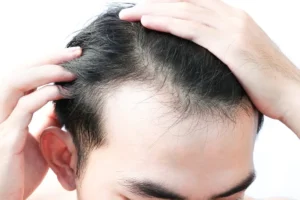
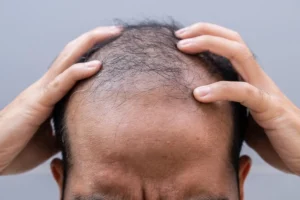
Stress balding is a common concern that affects both men and women, often manifesting as sudden hair thinning or patchy loss. While many attribute hair loss solely to genetics, the role of chronic stress is frequently underestimated. According to recent dermatology studies, up to 30% of individuals experiencing high stress levels notice increased shedding within a few months.
This article explores how stress interacts with the hair growth cycle, the tell‑tale signs of stress‑related shedding, and practical steps you can take to halt further damage. We’ll also discuss medical options, including advanced transplant techniques offered by Gold City Hair, to help you regain confidence.
Whether you’re dealing with a stressful job, life changes, or ongoing anxiety, understanding the mechanisms behind stress balding empowers you to make informed decisions and protect your hair health.
How Stress Triggers Hair Loss
Stress balding begins when the body’s response to stress disrupts the normal hair growth cycle. Elevated cortisol levels can push a larger proportion of hair follicles into the telogen (resting) phase, leading to a condition known as telogen effluvium. This shift reduces the number of active follicles producing new shafts, resulting in noticeable thinning.
The Biology of Stress and the Hair Cycle
Hair follicles operate on a three‑phase cycle: anagen (growth), catagen (transition), and telogen (rest). Under chronic stress, the hypothalamic‑pituitary‑adrenal (HPA) axis releases hormones that shorten the anagen phase and accelerate entry into telogen. As a result, more hairs are shed simultaneously, often in clumps.
- Acute stress (e.g., surgery, severe illness) can cause a temporary spike in shedding.
- Chronic stress (e.g., ongoing work pressure) sustains high cortisol, prolonging telogen dominance.
- Sleep deprivation further impairs follicle regeneration.
| Stress Type | Impact on Hair Cycle | Typical Onset |
|---|---|---|
| Acute | Sudden shift to telogen, rapid shedding | 1–3 months after event |
| Chronic | Prolonged telogen phase, gradual thinning | 3–6 months of sustained stress |
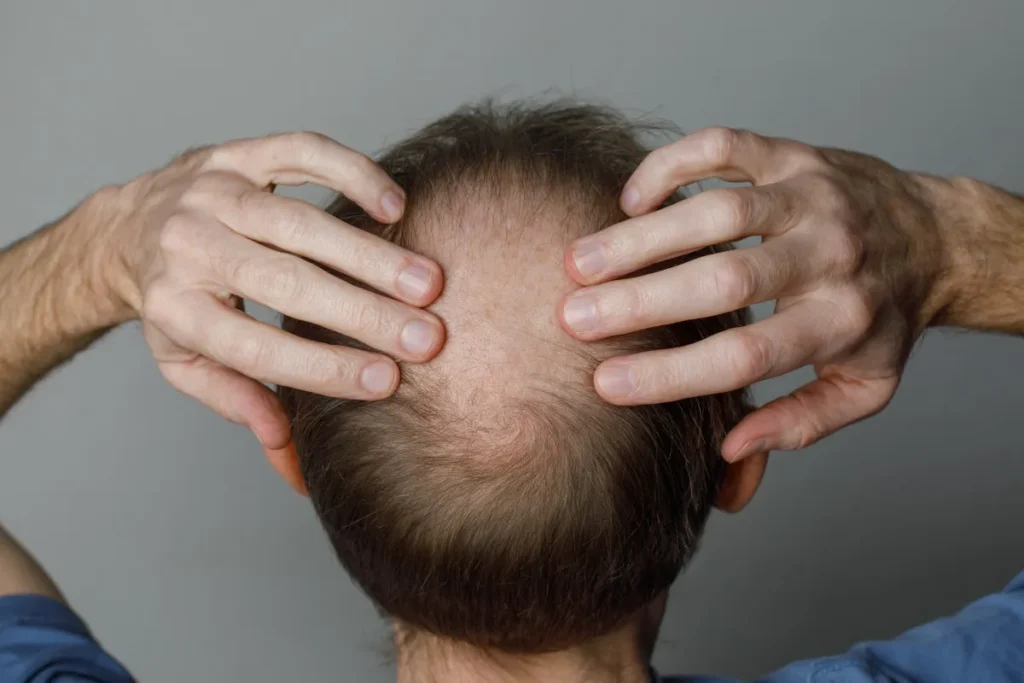
Recognizing Stress‑Related Hair Shedding
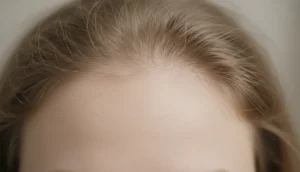
Identifying whether your hair loss stems from stress is essential for choosing the right treatment. Unlike androgenic alopecia, stress‑induced shedding often presents as diffuse thinning rather than a receding hairline.
Signs of Telogen Effluvium
Key indicators include:
- Increased hair on pillows, in the shower, or on hairbrushes.
- Noticeable thinning across the crown or top of the scalp.
- Hair loss that began within weeks to months after a stressful event.
- Absence of permanent bald spots; hair typically regrows once stress subsides.
| Symptom | Typical Timeline | Associated Cause |
|---|---|---|
| Clump shedding | 2–4 weeks after stressor | Acute cortisol spike |
| Diffuse thinning | 1–3 months of chronic stress | Prolonged telogen phase |
| Scalp itching | Variable | Inflammatory response |
Managing Stress to Prevent Further Balding
Addressing the root cause—stress—can significantly reduce ongoing hair loss and improve overall well‑being. Lifestyle adjustments, mindfulness practices, and targeted nutrition all play a role in stabilizing the hair cycle.
Lifestyle Changes That Help
Effective stress‑management strategies include:
- Regular aerobic exercise (30 minutes, 5 days a week) to lower cortisol.
- Mindfulness meditation or deep‑breathing exercises for at least 10 minutes daily.
- Consistent sleep schedule—7–9 hours per night.
- Balanced diet rich in omega‑3 fatty acids, zinc, and biotin.
- Limiting caffeine and alcohol, which can exacerbate stress responses.
| Action | Benefit for Hair | Implementation Tip |
|---|---|---|
| Aerobic exercise | Reduces cortisol, improves circulation | Morning jog or brisk walk |
| Meditation | Calms HPA axis, stabilizes hormones | Use guided apps for 10‑minute sessions |
| Sleep hygiene | Supports follicle regeneration | Turn off screens 1 hour before bed |
Medical Treatments for Stress‑Induced Hair Loss
When lifestyle changes alone are insufficient, medical interventions can accelerate recovery. It’s important to differentiate between temporary shedding and permanent follicle damage before selecting a treatment.
When to Seek Professional Help
If hair loss persists beyond six months despite stress reduction, or if you notice patchy bald spots, consult a hair restoration specialist. Options include:
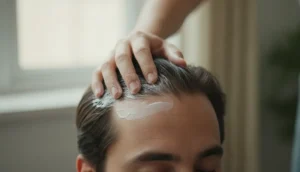
- Topical minoxidil – stimulates blood flow to follicles.
- Oral finasteride (for men) – reduces dihydrotestosterone (DHT) levels.
- Platelet‑rich plasma (PRP) therapy – promotes healing and growth.
- Hair transplant techniques such as FUE (Follicular Unit Extraction) and DHI (Direct Hair Implantation).
| Treatment | Best For | Typical Results Timeline |
|---|---|---|
| Minoxidil | Early‑stage thinning | 3–6 months |
| Finasteride | Male pattern stress‑related loss | 4–12 months |
| PRP | Improving follicle health | 2–4 months |
| FUE/DHI Transplant | Permanent bald spots | 6–12 months for full growth |
Long‑Term Hair Restoration Strategies
Combining stress management with medical treatment offers the most durable solution for stress balding. A comprehensive plan may involve initial therapy to halt shedding, followed by a transplant to restore density in permanently affected areas.
Step‑by‑Step Restoration Roadmap
- Assess stress levels and identify triggers.
- Implement lifestyle changes and monitor hair response for 3–6 months.
- Begin topical or oral therapy if shedding persists.
- Schedule a consultation with a certified hair restoration clinic.
- Choose the appropriate transplant method (FUE or DHI) based on donor area and desired density.
- Follow post‑procedure care, including continued stress‑reduction practices.
| Phase | Goal | Key Actions |
|---|---|---|
| Stress Assessment | Identify cause | Diary, cortisol test |
| Conservative Management | Stabilize shedding | Lifestyle, supplements |
| Medical Intervention | Promote regrowth | Minoxidil, PRP |
| Transplantation | Restore density | FUE/DHI procedure |
| Maintenance | Prevent recurrence | Ongoing stress control |
Why Choose Gold City Hair
Gold City Hair has been delivering personalized hair restoration solutions in Turkey since 2017. Our clinic specializes in cutting‑edge techniques such as FUE and DHI, ensuring natural‑looking results with minimal downtime. We prioritize transparent communication, thorough assessments, and a supportive environment that empowers patients to regain confidence.
Ready to take control of stress balding and restore your hair? Contact Gold City Hair today to schedule a confidential consultation and discover a tailored plan for lasting results.
FAQ
What is stress balding and how does it differ from genetic hair loss?
Stress balding is hair shedding caused by elevated cortisol that pushes follicles into the telogen phase, unlike genetic loss which thins the hairline over time.
How does telogen effluvium develop after a stressful event?
A stressor spikes cortisol, causing many hair follicles to enter telogen simultaneously, leading to noticeable shedding weeks later.
What lifestyle changes can help reduce stress‑related hair loss?
Regular aerobic exercise, mindfulness meditation, adequate sleep, a balanced diet rich in omega‑3, zinc and biotin, and limiting caffeine and alcohol.
When should someone consider medical treatments for stress‑induced hair loss?
If shedding persists beyond six months despite stress reduction or if permanent bald spots appear, medical options should be explored.
What are the benefits of PRP therapy for stress‑related hair loss?
PRP delivers growth factors that improve follicle health, reduce inflammation, and accelerate regrowth within 2–4 months.
Why choose Gold City Hair for hair restoration after stress balding?
Gold City Hair offers advanced FUE and DHI techniques, experienced specialists, and a personalized, stress‑focused treatment plan.