The telogen phase is a natural part of the hair growth cycle that often goes unnoticed until noticeable shedding occurs. This resting stage follows the active growth period and prepares each hair follicle for a new growth cycle. For many, understanding why hair temporarily stops growing can clarify concerns about thinning, shedding, and the sudden loss that sometimes follows stressful events.
Every day, the average human scalp loses about 50 to 100 hairs—a normal part of the cycle that balances new growth. However, when a larger proportion of follicles enter the telogen phase simultaneously, the result can be a visible increase in shedding, known as telogen effluvium. This condition is frequently linked to stress, hormonal shifts, medication, or nutritional deficiencies.
In this article, we will explore the biology of the telogen phase, identify common triggers that push hair into this resting state, explain how to recognize telogen effluvium, and outline practical steps to support a healthy return to the growth stage. Whether you are experiencing mild shedding or more pronounced hair loss, gaining insight into this phase empowers you to take informed actions toward fuller, healthier hair.
What Is the Telogen Phase and How It Fits Into the Hair Growth Cycle
The hair growth cycle consists of three main stages: anagen (growth), catagen (transition), and telogen phase (rest). During anagen, which can last 2‑7 years, the hair follicle is actively producing a hair shaft. Catagen is a short, 2‑3‑week period where growth stops and the follicle shrinks. Finally, the telogen phase lasts roughly 2‑4 months, after which the hair is shed and a new anagen cycle begins.
Duration and Characteristics
- Length: Typically 2‑4 months, but can extend under certain conditions.
- Shedding: Approximately 10‑15% of scalp hairs are in telogen at any given time.
- Follicle Activity: The hair bulb remains intact but dormant, awaiting signals to re‑enter anagen.
Understanding this timing helps explain why many people notice increased hair loss after major life events such as surgery, illness, or intense emotional stress. The follicles do not die; they merely pause, awaiting the right hormonal and nutritional cues to restart growth.
Common Triggers That Push Hair Into the Telogen Phase
While the telogen phase is a normal physiological process, several external and internal factors can cause an unusually large number of follicles to enter this resting stage simultaneously. Recognizing these triggers is essential for preventing prolonged shedding.
| Trigger | Typical Impact on Hair | Timeframe for Shedding |
|---|---|---|
| Severe Stress (emotional or physical) | Accelerates entry into telogen | 2‑3 months after the event |
| Hormonal Changes (post‑partum, thyroid disorders) | Disrupts follicular signaling | 1‑4 months |
| Medications (anticoagulants, retinoids, beta‑blockers) | Interferes with cell division | Variable, often 2‑6 weeks |
| Nutritional Deficiencies (iron, zinc, protein) | Weakens hair bulb health | 1‑3 months |
| Sudden Weight Loss or Crash Diets | Reduces nutrient availability | 2‑4 months |
Other contributors include chronic illnesses, scalp infections, and extreme hairstyles that pull on the hair shaft. When any of these factors are present, they can tip the balance, causing a higher proportion of hairs to remain in the telogen phase longer than usual.
Recognizing Telogen Effluvium: Signs, Symptoms, and When to Seek Help
Telogen effluvium is the clinical term for diffuse shedding that results when many follicles simultaneously enter the telogen phase. It is not a permanent condition, but recognizing its signs early can prevent unnecessary anxiety and guide appropriate interventions.
- Increased daily shedding: More than 100 hairs lost per day, often noticeable on pillows or in the shower.
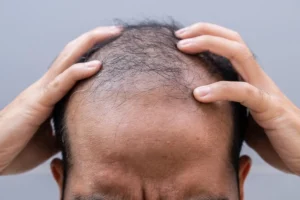
- Uniform thinning: Unlike pattern baldness, the loss is spread evenly across the scalp.
- Absence of bald patches: The scalp remains covered, but hair density feels reduced.
- Recent trigger history: Recent illness, surgery, major stress, or medication change within the past 2‑3 months.
If shedding persists beyond six months, or if you notice accompanying symptoms such as scalp redness, itching, or sudden hair breakage, it is advisable to consult a dermatologist or a hair restoration specialist. Early assessment can differentiate telogen effluvium from other forms of alopecia and determine whether additional treatment, such as targeted therapy or nutritional supplementation, is warranted.
Managing and Reversing an Extended Telogen Phase
When the telogen phase extends beyond its normal duration, proactive steps can help coax follicles back into the anagen (growth) stage. Lifestyle adjustments, medical interventions, and targeted scalp care all play a role.
Lifestyle and Nutritional Strategies
- Ensure adequate protein intake (0.8‑1.0 g per kg body weight daily).
- Supplement iron, zinc, and biotin if blood tests show deficiencies.
- Practice stress‑reduction techniques: meditation, yoga, or regular aerobic exercise.
- Avoid crash diets; aim for a balanced diet rich in vitamins A, C, D, and E.
Medical and Topical Options
Topical minoxidil, platelet‑rich plasma (PRP) therapy, and low‑level laser therapy have shown efficacy in stimulating follicles out of telogen. In cases where hormonal imbalances are identified, appropriate endocrine treatment can also normalize the cycle.
Patience is essential; visible regrowth typically begins 3‑6 months after the underlying trigger is resolved and supportive measures are consistently applied.
How Hair Transplant Clinics Address Telogen‑Related Hair Loss
Even when telogen effluvium subsides, some individuals may retain residual thinning that benefits from surgical restoration. Clinics like Gold City Hair specialize in techniques that work harmoniously with the natural hair cycle.
- Follicular Unit Extraction (FUE): Individual follicles are harvested from a donor area in the anagen phase, ensuring robust graft survival.
- Direct Hair Implantation (DHI): Grafts are implanted without creating pre‑made channels, reducing trauma and preserving the natural growth timeline.
- Scalp Micropigmentation: Provides the appearance of density while native follicles recover.
Before any procedure, a thorough evaluation determines whether the patient’s follicles are currently in telogen or anagen. Timing the transplant to coincide with the early anagen stage maximizes graft uptake and long‑term results. Gold City Hair’s personalized approach includes detailed counseling, ensuring patients understand the interplay between natural cycles and surgical planning.
Why Choose Gold City Hair for Your Hair Restoration Journey
Gold City Hair has been delivering personalized hair restoration solutions in Turkey since 2017. Our clinic combines the latest FUE and DHI technologies with a transparent, patient‑first communication style. By understanding the science behind the telogen phase and tailoring treatments to each individual’s cycle, we help clients achieve natural, lasting results while restoring confidence.
Ready to take control of your hair health? Contact Gold City Hair today for a personalized consultation and discover how our expert team can guide you from shedding to thriving hair.
FAQ
What is the telogen phase in the hair growth cycle?
The telogen phase is the resting stage of the hair cycle when follicles pause before shedding and restarting growth.
How long does the telogen phase normally last?
It usually lasts between two and four months.
What are common triggers that cause hair to enter the telogen phase?
Stress, hormonal shifts, certain medications, nutritional deficiencies, and rapid weight loss are typical triggers.
How can I recognize telogen effluvium?
Look for diffuse shedding of more than 100 hairs per day, uniform thinning, and a recent trigger history.
What treatments can help reverse an extended telogen phase?
Lifestyle changes, nutritional supplementation, stress reduction, and medical options like minoxidil or PRP can stimulate regrowth.
How do hair transplant clinics handle telogen‑related hair loss?
Clinics assess the follicle cycle and schedule graft extraction during anagen for optimal survival.