Temple hair loss is a common concern for many men and women who notice thinning around the sideburns and frontal hairline. This specific pattern of hair loss can affect confidence and often signals the early stages of broader balding processes. Understanding the underlying reasons, from hormonal shifts to lifestyle factors, helps you take proactive steps before the condition progresses.
Recent studies show that up to 40% of men experience noticeable thinning at the temples by age 30, while many women report similar patterns linked to hormonal changes. Whether you’re dealing with male pattern baldness, androgenetic alopecia, or stress‑induced shedding, there are both non‑surgical and surgical solutions available.
In this article we’ll explore the science behind temple hair loss, differentiate it from general baldness, and outline practical prevention tips and the latest treatment options, including advanced FUE and DHI techniques offered at Gold City Hair.
Understanding the Causes of Temple Hair Loss
Temple hair loss does not happen overnight; it usually results from a combination of genetic, hormonal, and environmental influences. Recognizing these factors is the first step toward effective management.
Hormonal Factors
Androgens, particularly dihydrotestosterone (DHT), play a pivotal role in shrinking hair follicles at the temples. Men with a family history of male pattern baldness often experience earlier DHT‑related thinning, while women may see similar effects during menopause when estrogen levels drop.
Genetic Predisposition
Genetics dictate how sensitive your follicles are to DHT. If close relatives suffered from temple thinning, you are more likely to develop the same pattern, a condition medically referred to as androgenetic alopecia.
Lifestyle and Stress
- Chronic stress can trigger telogen effluvium, causing a temporary increase in hair shedding at the temples.
- Poor nutrition, especially low iron or protein intake, accelerates thinning.
- Excessive heat styling or tight hairstyles create mechanical stress on the hair shaft.
Other contributors include certain medications, thyroid disorders, and autoimmune conditions such as alopecia areata, which can produce patchy loss at the temples.
How Temple Hair Loss Differs from General Baldness
While many people associate hair loss with a receding hairline or crown thinning, temple hair loss has distinct characteristics that set it apart from overall baldness.
| Feature | Temple Hair Loss | General Baldness (Crown/Vertex) |
|---|---|---|
| Typical Onset Age | Late teens to early 30s | 30s to 40s |
| Primary Cause | DHT‑sensitive follicles at the sideburns | Wider distribution of DHT‑sensitive follicles |
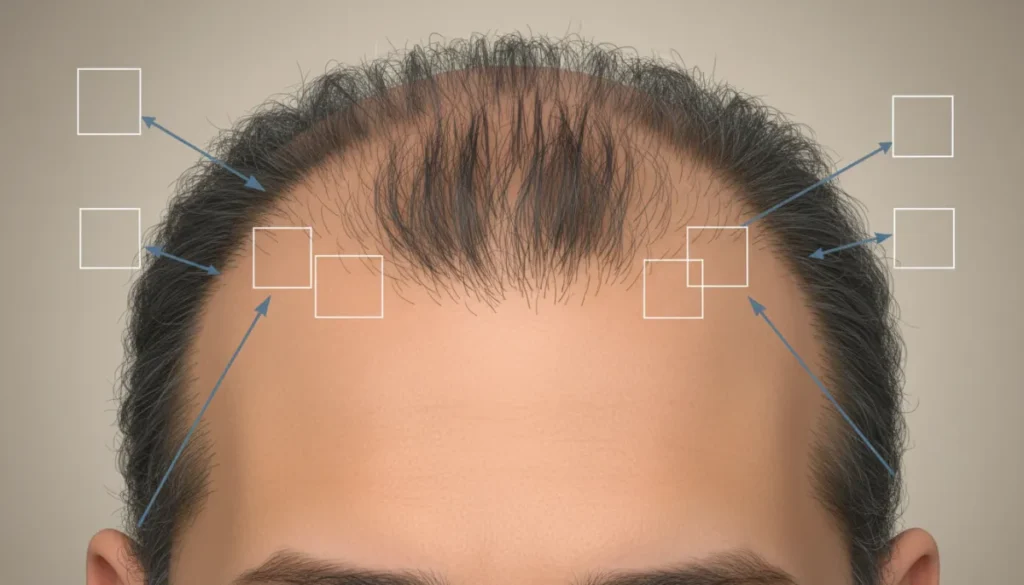
| Visual Cue | “M‑shaped” recession, thinning at temples | Uniform thinning or bald spot on the crown |
| Progression Speed | Often rapid once DHT levels rise | Gradual over many years |
Because the temples are among the first areas to react to DHT, early detection can signal the need for timely intervention. Recognizing the “M‑shaped” recession pattern helps differentiate it from diffuse thinning that characterizes telogen effluvium or general hair loss.
Non‑Surgical Ways to Manage Temple Hair Loss
Before considering a transplant, many patients explore conservative methods that can slow or partially reverse thinning at the temples.
Topical Treatments
- Minoxidil (Rogaine) – FDA‑approved 5% solution that stimulates follicular activity; works best when applied consistently for at least four months.
- Finasteride (oral) – Prescription medication that reduces DHT production; often combined with minoxidil for synergistic effect.
Lifestyle Adjustments
- Stress management through meditation, yoga, or regular exercise.
- Balanced diet rich in omega‑3 fatty acids, zinc, and biotin.
- Avoiding harsh chemicals, excessive heat, and tight hairstyles that pull on temple hair.
Advanced Non‑Surgical Options
- Platelet‑Rich Plasma (PRP) therapy – Concentrated platelets injected into the scalp to promote growth factors.
- Low‑Level Laser Therapy (LLLT) – Red light devices that increase cellular metabolism in hair follicles.
- Microneedling – Small‑scale skin punctures that enhance absorption of topical agents.
While these approaches can improve hair density, they typically require ongoing maintenance. For individuals seeking a more permanent solution, surgical restoration may be the next logical step.
Surgical Solutions: FUE and DHI for Temple Restoration
When non‑surgical methods reach their limits, follicular unit extraction (FUE) and direct hair implantation (DHI) offer precise, long‑lasting results for temple hair loss.
Follicular Unit Extraction (FUE)
FUE involves harvesting individual follicular units from a donor area—usually the back of the head—and transplanting them into the thinning temple zones. The technique leaves minimal scarring and allows for natural‑looking density.
Direct Hair Implantation (DHI)
DHI uses a specialized implanter pen that places grafts directly into the recipient sites without creating pre‑made incisions. This method reduces handling time, improves graft survival, and provides superior control over angle and direction—crucial for recreating a natural temple hairline.
| Feature | FUE | DHI |
|---|---|---|
| Incision Creation | Separate punching and implantation steps | Implanter pen creates incision and places graft simultaneously |
| Graft Survival Rate | 85‑90% | 90‑95% |
| Recovery Time | 7‑10 days | 5‑8 days |
| Ideal Candidates | Patients with moderate to extensive thinning | Patients seeking precise temple line recreation |
Both procedures are performed under local anesthesia, and patients typically resume normal activities within a week. The choice between FUE and DHI depends on the extent of loss, desired density, and the surgeon’s recommendation.
Aftercare and Long‑Term Maintenance
Successful temple restoration doesn’t end with the surgery; diligent aftercare maximizes graft survival and sustains results for years.
Immediate Post‑Procedure Care
- Keep the scalp clean; use a gentle, sulfate‑free shampoo after 48 hours.
- Avoid direct sun exposure and strenuous exercise for the first two weeks.
- Follow prescribed medication regimens, such as anti‑inflammatory agents or minoxidil.
Long‑Term Maintenance Strategies
- Continue topical minoxidil to support existing and transplanted follicles.
- Incorporate a hair‑friendly diet rich in vitamins A, C, D, and E.
- Schedule regular follow‑up visits to monitor growth and address any concerns.
Adopting a holistic approach—combining medical therapy, proper nutrition, and stress reduction—helps preserve the newly restored temple hairline and reduces the risk of future recession.
Why Choose Gold City Hair for Temple Hair Restoration
Gold City Hair has been delivering personalized hair‑restoration solutions in Turkey since 2017. Our clinic specializes in both FUE and DHI techniques, ensuring that each temple transplant is tailored to your unique facial structure and aesthetic goals. With a focus on transparent communication and a commitment to natural‑looking results, we provide a supportive environment that empowers you to regain confidence.
Ready to restore your temple hairline and boost your self‑esteem? Contact Gold City Hair today to schedule a confidential consultation and discover the best treatment plan for you.
FAQ
What are the main causes of temple hair loss?
Temple hair loss is mainly driven by hormonal factors like DHT, genetic predisposition, and lifestyle stresses such as poor nutrition or chronic stress.
How does temple hair loss differ from general baldness?
Temple hair loss typically appears as an “M‑shaped” recession in the early 20s‑30s, while general baldness often starts later and affects the crown more uniformly.
What non‑surgical options are effective for managing temple hair loss?
Topical minoxidil, oral finasteride, PRP therapy, low‑level laser therapy, and lifestyle changes are common non‑surgical treatments.
When should someone consider surgical solutions like FUE or DHI?
Surgery is recommended when non‑surgical methods no longer halt progression or when a permanent, dense restoration is desired.
What after‑care steps are essential for a successful temple hair transplant?
Gentle cleansing, sun protection, avoiding strenuous activity, and continued use of minoxidil are key after‑care practices.
Why choose Gold City Hair for temple hair restoration?
Gold City Hair offers personalized FUE and DHI procedures, experienced surgeons, and comprehensive after‑care in Turkey since 2017.





