Thinning hair after hysterectomy is a concern many women notice in the months following their surgery. While the procedure saves lives and resolves serious health issues, the hormonal and physiological changes it triggers can affect the scalp’s health. According to recent dermatology studies, up to 30% of patients report noticeable hair shedding within three to six months post‑operation.
This article explains the biological reasons behind the hair changes, helps you distinguish temporary shedding from longer‑term loss, and outlines both medical and surgical options to restore a fuller appearance. Whether you are just beginning to notice strands on your pillow or are looking for a permanent solution, understanding the underlying mechanisms is the first step toward regaining confidence.
We will cover hormone fluctuations, the role of anesthesia, lifestyle factors, and the advanced hair restoration techniques offered by Gold City Hair. By the end, you’ll have a clear roadmap for managing thinning hair after hysterectomy and making informed decisions about your hair health.
Why Hair Changes Occur After a Hysterectomy
The removal of the uterus often involves the removal of the ovaries (oophorectomy) or a significant reduction in ovarian function. This abrupt shift in estrogen and progesterone levels can trigger a cascade of effects on the hair growth cycle.
Hormonal Shifts
Estrogen helps keep hair follicles in the growth (anagen) phase longer. When estrogen drops, follicles may enter the resting (telogen) phase sooner, leading to increased shedding. This phenomenon is similar to what many women experience during menopause, but it can happen more suddenly after surgery.
- Decreased estrogen → shorter anagen phase
- Reduced progesterone → altered scalp oil production
- Increased androgen activity → mini‑aturized follicles
Impact of Anesthesia and Surgical Stress
General anesthesia, while safe, can cause a temporary disruption in the body’s stress hormones, such as cortisol. Elevated cortisol levels are known to contribute to hair loss after surgery. Additionally, the physical stress of the operation can push a larger proportion of hairs into the telogen phase, a condition often called telogen effluvium.
| Factor | Effect on Hair | Typical Timeline |
|---|---|---|
| Estrogen decline | Shortens growth phase | 1–3 months post‑surgery |
| Cortisol surge | Triggers telogen effluvium | 2–6 weeks post‑operation |
| Reduced iron & nutrients | Weakens hair shaft | Variable, often concurrent |
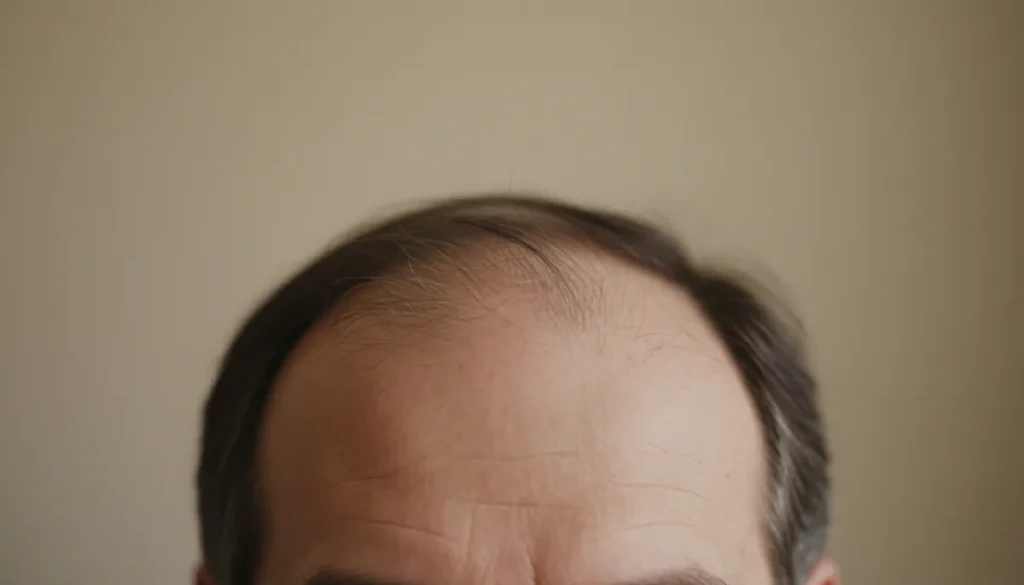
Identifying the Signs: Is It Temporary or Permanent?
Not every case of thinning hair after hysterectomy leads to permanent loss. Recognizing the pattern of shedding helps you decide whether to monitor, intervene medically, or consider surgical restoration.
Early Signs to Watch For
Typical early indicators include:
- Increased hair on pillows or in the shower drain
- Noticeable thinning along the crown or part line
- Hair that feels finer or less dense than before
If these symptoms appear within the first three months and stabilize after six months, they are often part of a temporary telogen shift.
When to Seek Medical Advice
Persistent shedding beyond six months, or rapid thinning that spreads to the frontal scalp, may suggest a more lasting issue such as androgenic alopecia exacerbated by hormonal imbalance. Consulting a dermatologist or a hair restoration specialist is advisable when:
- Hair loss continues for more than six months
- There is a family history of pattern baldness
- You notice scalp irritation or inflammation
Early professional evaluation can differentiate between post surgery hair loss and underlying conditions that might require targeted therapy.
Treatment Options: From Medical Management to Hair Restoration
Addressing thinning hair after hysterectomy begins with evaluating the root cause. Options range from non‑invasive medical therapies to advanced surgical procedures.
Medical Management
Topical minoxidil (2% or 5%) can prolong the anagen phase, while oral finasteride may reduce androgen‑driven follicle mini‑aturization. Nutritional supplements rich in biotin, iron, zinc, and vitamin D support overall hair health, especially when post‑operative diets lack these nutrients.
- Minoxidil: Applied twice daily, stimulates blood flow
- Finasteride: 1 mg daily, blocks DHT conversion
- Supplements: Biotin 5 mg, Iron 18 mg, Zinc 30 mg, Vitamin D 2000 IU
Hair Transplant Techniques
When medical therapy is insufficient, hair transplantation offers a permanent solution. Gold City Hair specializes in Follicular Unit Extraction (FUE) and Direct Hair Implantation (DHI), both of which provide natural‑looking density with minimal scarring.
| Technique | Advantages | Considerations |
|---|---|---|
| FUE | Individual follicle extraction, fast recovery | Requires skilled surgeon |
| DHI | Implantation without prior incisions, higher graft survival | Longer procedure time |
Both methods can be tailored to the pattern of loss caused by hormonal changes, ensuring that transplanted hair grows in harmony with existing strands.
Lifestyle Adjustments to Support Hair Regrowth
While medical and surgical interventions are powerful, everyday habits play a crucial role in sustaining hair health after a hysterectomy.
Nutrition and Supplements
A balanced diet rich in lean proteins, omega‑3 fatty acids, and antioxidants can mitigate the impact of hormonal fluctuations. Foods such as salmon, walnuts, leafy greens, and berries provide essential nutrients that support follicle vitality.
- Protein: 1.2–1.5 g per kg body weight daily
- Omega‑3: 2 g EPA/DHA combined per day
- Antioxidants: Vitamin C, E, and selenium
Stress Management
Chronic stress elevates cortisol, which can prolong telogen effluvium. Incorporating mindfulness practices, regular moderate exercise, and adequate sleep (7–9 hours) helps normalize stress hormones.
Scalp Care
Gentle cleansing with sulfate‑free shampoos, occasional scalp massage, and avoiding tight hairstyles reduce mechanical stress on fragile follicles.
When to Consider a Hair Transplant at Gold City Hair
If you have experienced thinning hair after hysterectomy for more than a year, and medical treatments have not yielded satisfactory density, a transplant may be the optimal next step.
Candidate Criteria
Ideal candidates typically meet the following conditions:
- Stable medical condition with hormone levels monitored
- Adequate donor hair in the occipital region
- Realistic expectations about coverage and results
What to Expect at Gold City Hair
Our team conducts a thorough pre‑operative assessment, including scalp analysis and hormonal profiling, to customize the transplant plan. The procedure is performed under local anesthesia, and most patients resume light activities within 2–3 days.
- Personalized consultation and treatment roadmap
- Use of the latest FUE and DHI technologies
- Post‑operative care guidance to maximize graft survival
Choosing a clinic with extensive experience in post‑hysterectomy hair loss ensures that the unique hormonal context is considered, leading to natural‑looking, long‑lasting results.
Why Choose Gold City Hair
Gold City Hair has been delivering personalized hair restoration solutions in Turkey since 2017. Our expertise in FUE and DHI, combined with a compassionate approach, ensures each patient receives transparent communication and a treatment plan tailored to their hormonal profile and aesthetic goals. Trust a clinic that prioritizes safety, precision, and lasting confidence.
Ready to restore your hair and confidence? Contact Gold City Hair today for a free, no‑obligation consultation and discover how our specialized techniques can address thinning hair after hysterectomy.
Take the first step toward a fuller, healthier scalp—schedule your personalized assessment now.
FAQ
What causes thinning hair after a hysterectomy?
Hormonal shifts, anesthesia stress, and nutrient deficiencies trigger hair follicles to enter the shedding phase.
How can I tell if my hair loss is temporary or permanent?
Temporary shedding stabilizes within six months, while persistent loss beyond that may indicate permanent alopecia.
What medical treatments are effective for post‑hysterectomy hair thinning?
Topical minoxidil, oral finasteride, and targeted nutritional supplements are commonly used.
When should I consider a hair transplant after a hysterectomy?
If thinning persists for over a year and medical options haven’t restored density, a transplant may be appropriate.
How do lifestyle changes support hair regrowth after surgery?
Balanced nutrition, stress reduction, and gentle scalp care help maintain healthy follicles.
What are the differences between FUE and DHI hair transplant techniques?
FUE extracts individual follicles with tiny punches, while DHI implants grafts directly without prior incisions.