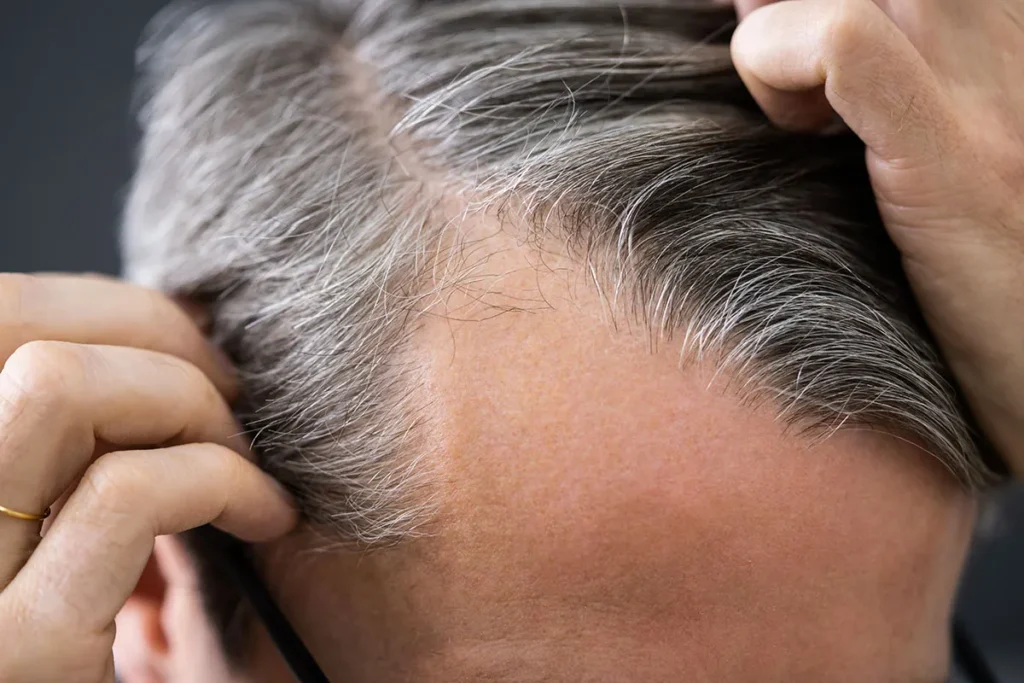
Finding a reliable thinning hair receding hairline treatment can feel overwhelming, especially when the market is flooded with quick‑fix promises. This article breaks down the science behind hair loss, reviews proven non‑surgical and surgical solutions, and explains how to choose a plan that matches your lifestyle and goals. According to the World Health Organization, over 40 % of men experience noticeable hair thinning by age 35, and women are not immune—about 21 % report significant hair loss by age 40. Understanding why this happens is the first step toward effective treatment.
We will explore the root causes of hair thinning, evaluate medication and supplement options, detail cutting‑edge transplant techniques like FUE and DHI, and discuss everyday habits that support healthy regrowth. Whether you are dealing with a subtle recession or more pronounced balding, the strategies outlined here aim to empower you with clear, evidence‑based choices.
By the end of this guide, you’ll know which interventions are clinically validated, what results to expect, and how Gold City Hair’s personalized approach can help you achieve a natural, lasting improvement in hair density and confidence.
Understanding the Causes of Thinning Hair and Receding Hairlines
Hair loss is rarely the result of a single factor; it is usually a combination of genetics, hormones, lifestyle, and health conditions. The most common form, male pattern baldness (androgenetic alopecia), is driven by dihydrotestosterone (DHT) which shortens the growth phase of hair follicles, leading to thinner strands and eventual follicle miniaturization. Women experience a similar pattern, often termed female pattern hair loss, where hormonal fluctuations—especially during menopause—play a significant role.
Other contributors include:
- Stress‑induced telogen effluvium, where a sudden shock pushes hairs into the shedding phase.
- Nutrient deficiencies, particularly iron, zinc, and biotin, which are essential for keratin production.
- Autoimmune conditions such as alopecia areata, which cause patchy hair loss.
- Scalp disorders like seborrheic dermatitis that impair follicle health.
Understanding these underlying mechanisms helps clinicians tailor a thinning hair receding hairline treatment that targets the root cause rather than merely masking symptoms. A thorough medical history, scalp examination, and sometimes blood work are essential first steps in any comprehensive hair restoration plan.
Non‑Surgical Treatments: Medications, Supplements, and Topical Solutions
For many individuals, the first line of defense against hair loss involves non‑invasive options that can be combined or used sequentially. The two most widely studied medications are minoxidil and finasteride. Minoxidil, available over the counter in 2 % and 5 % formulations, works by widening blood vessels in the scalp, enhancing nutrient delivery to follicles. Clinical trials show that consistent use can increase hair count by up to 15 % after six months.
Finasteride, a prescription oral tablet, reduces DHT levels by inhibiting the 5‑alpha‑reductase enzyme. It is particularly effective for men with a receding hairline, with studies indicating a 90 % success rate in halting further loss and promoting regrowth in the vertex area.
Supplementation can complement these medications, especially when nutrient deficiencies are identified. The most evidence‑backed ingredients include:
| Supplement | Key Ingredient | Benefit |
|---|---|---|
| Biotin Complex | Biotin (Vitamin B7) | Strengthens keratin structure, reduces breakage |
| Iron‑Rich Multivitamin | Iron, Vitamin C | Improves oxygen transport to follicles |
| Marine Collagen | Hydrolyzed Collagen Peptides | Supports scalp elasticity and skin health |
| Herbal Blend | Saw Palmetto, Pumpkin Seed Oil | Natural DHT inhibition |
Topical solutions such as peptide‑infused serums and low‑level laser therapy (LLLT) devices are gaining popularity. Peptides like copper‑tripeptide‑1 have been shown to stimulate follicular stem cells, while LLLT devices emit red light that enhances cellular metabolism. While results vary, many patients report a noticeable improvement in hair density after three to six months of consistent use.
Advanced Cosmetic Procedures: FUE and DHI Hair Transplant Techniques
When non‑surgical methods are insufficient, many turn to surgical hair restoration for a permanent solution. The two most refined techniques offered at Gold City Hair are Follicular Unit Extraction (FUE) and Direct Hair Implantation (DHI). Both methods involve harvesting individual follicular units from a donor area—typically the back of the scalp—and implanting them into thinning zones with meticulous attention to angle and depth, ensuring a natural look.
FUE uses a micro‑punch tool (0.8‑1.0 mm) to extract grafts, leaving minimal scarring that is virtually invisible to the naked eye. The procedure can transplant up to 4,000 grafts in a single session, making it suitable for extensive receding hairlines. Recovery is swift, with most patients returning to light activities within 5‑7 days.
DHI builds on FUE by employing a patented implanter pen that allows direct placement of grafts without creating prior incisions. This reduces handling time, improves graft survival rates (up to 95 % in clinical studies), and offers superior control over hair direction—critical for recreating a natural hairline.
Both techniques share common advantages:
- Long‑lasting results—transplanted hairs continue to grow for a lifetime.
- Natural density and hairline design tailored to facial features.
- Minimal downtime and low risk of infection.
Potential candidates are evaluated based on donor hair availability, scalp laxity, and overall health. A personalized treatment plan, often combined with post‑operative medication like minoxidil, maximizes graft retention and accelerates the healing process.
Lifestyle Changes and Home Care to Support Hair Growth
Even with advanced treatments, everyday habits play a pivotal role in sustaining hair growth. A holistic approach that combines proper nutrition, stress management, and scalp hygiene can enhance the effectiveness of any hair loss treatment plan.
Nutrition: Aim for a balanced diet rich in protein, omega‑3 fatty acids, and antioxidants. Foods such as salmon, walnuts, leafy greens, and berries provide essential nutrients that fortify hair shafts and reduce oxidative stress on follicles.
Stress reduction: Chronic stress elevates cortisol levels, which can trigger telogen effluvium. Incorporating mindfulness practices, regular exercise, and adequate sleep (7‑9 hours) helps maintain hormonal balance and supports follicular health.
Scalp hygiene: Gentle cleansing with sulfate‑free shampoos prevents excess oil buildup that can clog hair follicles. Periodic scalp exfoliation using mild chemical peels (e.g., salicylic acid) or physical brushes improves blood circulation and removes dead skin cells.
Additional home‑care tips include:
- Avoiding tight hairstyles that cause traction alopecia.
- Limiting heat styling and chemical treatments that weaken the hair shaft.
- Using a silk pillowcase to reduce friction during sleep.
When these lifestyle adjustments are paired with medical or surgical interventions, patients often experience faster, more robust regrowth and a higher satisfaction rate.
Choosing the Right Treatment Plan: What to Expect and How to Prepare
Selecting the optimal thinning hair receding hairline treatment begins with a thorough consultation. During this session, the specialist assesses the pattern of loss, evaluates donor hair density, and discusses realistic expectations. Key questions to ask include:
- What is the expected timeline for visible results?
- Which combination of medical and surgical options is recommended for my specific condition?
- What are the potential side effects and how are they managed?
- What post‑procedure care is required to ensure graft survival?
Preparation steps may involve:
- Stopping smoking at least two weeks before surgery, as nicotine constricts blood vessels.
- Discontinuing blood‑thinning supplements (e.g., high‑dose fish oil) 7 days prior.
- Shaving the donor area if an FUE or DHI procedure is planned, unless a no‑shave technique is requested.
- Arranging a comfortable recovery space at home with easy access to prescribed medications.
After treatment, most patients notice initial shedding of transplanted hairs within 2‑3 weeks—a normal part of the “shock loss” phase—followed by new growth beginning around the third month. Full results typically become evident between 9‑12 months, with continued thickening for up to 18 months.
Choosing a clinic with a proven track record, transparent communication, and a personalized after‑care program—such as Gold City Hair—ensures you receive the guidance and support needed throughout this journey.
Why Choose Gold City Hair for Your Hair Restoration
Gold City Hair has been delivering safe, effective hair restoration solutions in Turkey since 2017. Our team combines decades of surgical expertise with the latest FUE and DHI technologies, providing natural‑looking results tailored to each client’s facial structure. We prioritize transparent communication, offering detailed treatment plans, realistic outcome expectations, and comprehensive after‑care support. By choosing Gold City Hair, you benefit from a personalized experience that focuses on restoring not only hair but also confidence.
Ready to take the first step toward a fuller, healthier hairline? Contact Gold City Hair today to schedule your confidential consultation and discover a customized treatment plan that fits your goals.
Experience professional care, state‑of‑the‑art techniques, and lasting results—your journey to renewed confidence starts now.
FAQ
What are the main causes of thinning hair and receding hairlines?
Genetics, hormonal changes (especially DHT), stress, nutrient deficiencies, autoimmune conditions, and scalp disorders all contribute.
How do minoxidil and finasteride work for hair loss?
Minoxidil widens scalp blood vessels to improve nutrient delivery; finasteride blocks the enzyme that converts testosterone to DHT.
What is the difference between FUE and DHI hair transplant techniques?
FUE extracts grafts with a micro‑punch and leaves tiny scars; DHI uses an implanter pen for direct placement, improving graft survival and angle control.
Can supplements improve hair growth and which ones are most effective?
Yes; biotin, iron, vitamin C, marine collagen, saw palmetto, and pumpkin seed oil have the strongest evidence.
What lifestyle changes can support hair regrowth after treatment?
Balanced nutrition, stress management, proper scalp hygiene, and gentle hair handling are key.
How should I prepare for a hair transplant procedure?
Stop smoking, avoid blood‑thinning supplements, and keep the donor area trimmed before the surgery.





