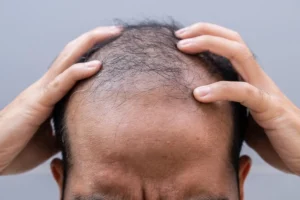
Traction alopecia can be caused by a variety of everyday habits that place continuous tension on the hair shaft and scalp. This form of alopecia is especially common among individuals who regularly wear tight hairstyles, use heavy hair accessories, or engage in practices that pull on the hair roots. Recognizing the underlying factors is the first step toward preventing permanent hair loss and preserving confidence.
According to dermatological studies, up to 30 % of patients with early‑stage hair loss report a history of tight styling practices. The condition often begins with subtle thinning along the hairline before progressing to more noticeable bald patches if the stress continues. In this article, we will explore the mechanical, medical, and lifestyle contributors, outline warning signs, and discuss both preventive measures and modern treatment options available at Gold City Hair.
By the end of the guide, you will have a clear roadmap for identifying risk factors, adopting healthier hair‑care routines, and deciding when professional intervention is necessary.
Common Mechanical Factors Leading to Traction Alopecia
Physical tension is the most direct cause of traction alopecia. The following mechanical habits are frequently implicated:
Tight Hairstyles
Styles such as braids, cornrows, ponytails, buns, and dreadlocks that are pulled tightly against the scalp create constant shear stress. Over time, the hair follicles become inflamed, leading to miniaturization and eventual loss. The risk increases when the same style is worn daily without breaks.
Hair Accessories and Extensions
Elastic bands, metal clips, and hair extensions that grip the hair tightly can produce localized pressure points. Even seemingly gentle accessories become harmful if they are worn for prolonged periods. Extensions that add extra weight amplify the pulling force, especially on fine or thinning hair.
- Elastic bands with metal clasps
- Heavy clip‑in extensions
- Permanent weaves that require tight anchoring
Other contributing mechanical factors include frequent use of hair rollers, tight headbands during sports, and habitual pulling or “hair‑twirling” behaviors.

Medical and Lifestyle Contributors to Traction Alopecia
Beyond mechanical stress, several medical conditions and lifestyle choices can exacerbate the susceptibility of the scalp to traction‑induced damage.
Scalp Conditions
Inflammatory scalp disorders such as seborrheic dermatitis, psoriasis, and fungal infections weaken the hair follicles, making them less resilient to pulling forces. When the scalp is already compromised, even moderate tension can trigger noticeable thinning.
Nutritional Deficiencies
Deficiencies in iron, zinc, biotin, and essential fatty acids impair keratin production and follicular health. A diet lacking these nutrients may accelerate hair shedding when combined with mechanical stress.
| Factor | Impact on Hair | Typical Signs |
|---|---|---|
| Iron Deficiency | Reduced hemoglobin, less oxygen to follicles | Diffuse thinning, fatigue |
| Hormonal Changes | Altered growth cycle | Patchy loss, especially after pregnancy or menopause |
| Chronic Stress | Elevated cortisol, follicle miniaturization | Hair shedding during stressful periods |
Addressing these underlying health issues can significantly reduce the risk of traction alopecia progressing to permanent loss.
Recognizing Early Signs and Symptoms
Early detection is crucial because once the hair follicles are permanently damaged, restoration becomes more complex. Common warning signs include:
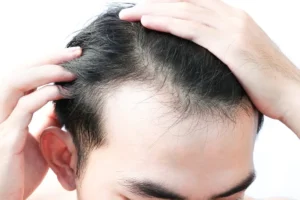
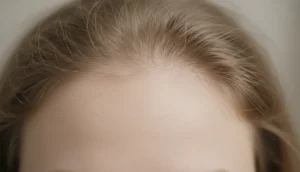
- Gradual thinning along the hairline, especially near the temples
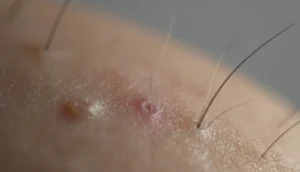
- Redness, itching, or tenderness in areas of tight styling
- Small, smooth patches where hair no longer grows
- Noticeable breakage when hair is gently pulled
These symptoms often mimic other forms of hair loss, such as androgenetic alopecia, making professional evaluation essential. Dermatologists typically perform a scalp examination and may use trichoscopy to differentiate traction‑induced patterns from other alopecias.
Understanding the visual cues helps individuals modify their habits before irreversible damage occurs.
Prevention Strategies and Healthy Styling Practices
Implementing simple yet effective habits can dramatically lower the likelihood that traction alopecia can be caused by everyday routines.
Style Modification
Adopt looser hairstyles that do not pull on the roots. Alternate between protective styles and free‑flowing hair to give follicles periods of rest.
Gentle Accessories
Choose fabric scrunchies, silicone‑coated hair ties, and lightweight clips. Avoid metal clasps and elastic bands that create a tight grip.
Scalp Care Routine
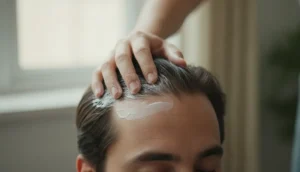
Maintain scalp hygiene with mild, sulfate‑free shampoos. Incorporate scalp massages using essential oils such as rosemary or peppermint to stimulate circulation.
- Limit tight styling to no more than two days per week.
- Give the hair a “break day” each week with no tension‑based styles.
- Ensure a balanced diet rich in iron, zinc, and omega‑3 fatty acids.
- Consult a dermatologist if persistent itching or redness occurs.
By integrating these preventive measures, most individuals can avoid the progression from temporary shedding to permanent alopecia.
Treatment Options: From Non‑Surgical to Surgical Solutions
When prevention is no longer enough, a range of treatments can address existing damage caused by traction alopecia.
Non‑Surgical Approaches
- Topical minoxidil: Improves blood flow and can reactivate dormant follicles.
- Platelet‑rich plasma (PRP) therapy: Concentrated growth factors stimulate regeneration.
- Low‑level laser therapy (LLLT): Enhances cellular activity in the scalp.
Surgical Interventions
For advanced cases where follicles have been destroyed, hair transplantation offers a permanent solution. Gold City Hair specializes in the following techniques:
- Follicular Unit Extraction (FUE): Individual follicles are harvested and implanted with minimal scarring.
- Direct Hair Implantation (DHI): A patented implanter pen places grafts at precise angles for natural density.
- Eyebrow and beard transplants: Restores facial hair in patients with localized traction damage.
Each method is tailored to the patient’s unique scalp condition, donor hair quality, and aesthetic goals. A thorough consultation determines the most suitable plan.
Why Choose Gold City Hair
Gold City Hair has been delivering personalized hair restoration solutions in Turkey since 2017. Our team combines expertise in FUE, DHI, and facial hair transplants with a commitment to transparent communication and patient‑centered care. We assess each case individually, ensuring that the chosen treatment aligns with your specific hair loss pattern and lifestyle goals. Trust a clinic that values both clinical excellence and the confidence that comes with a full, natural‑looking head of hair.
Ready to take the next step toward a healthier scalp and lasting confidence? Contact Gold City Hair today to schedule a personalized consultation and discover the most effective solution for your hair‑loss concerns.
FAQ
What causes traction alopecia?
Traction alopecia is caused by continuous tension on the hair shaft from tight hairstyles, heavy accessories, or pulling habits.
How can tight hairstyles lead to hair loss?
Tight hairstyles create constant shear stress on the scalp, inflaming follicles and causing them to shrink.
What medical conditions increase the risk of traction alopecia?
Scalp disorders, hormonal changes, and nutritional deficiencies can make hair more vulnerable to traction.
What are the early signs of traction alopecia?
Early signs include thinning at the hairline, redness, itching, and small smooth patches where hair no longer grows.
How can I prevent traction alopecia?
Use looser styles, gentle accessories, maintain scalp health, and limit tension‑based hairstyles.
What treatment options are available for traction alopecia?
Treatments range from topical minoxidil, PRP, and laser therapy to surgical hair transplantation (FUE or DHI).