The stages of hair loss are a natural progression that many men and women experience, yet few understand how each phase differs in cause and treatment. Recognizing these stages early can dramatically improve the success of restoration options and help maintain self‑esteem. In fact, studies show that up to 40 % of people notice noticeable thinning before reaching a more advanced stage, highlighting the importance of early detection.
This article walks you through every major phase—from the subtle signs of shedding to the more defined patterns of balding—while explaining the underlying biology, common triggers, and evidence‑based interventions. Whether you are just beginning to see a few stray hairs on your pillow or you are dealing with a receding hairline, understanding where you fall on the spectrum empowers you to choose the right solution at the right time.
We will also explore how professional clinics, such as Gold City Hair, tailor treatments to each stage, ensuring a personalized approach that maximizes results and minimizes downtime. Let’s begin by identifying the earliest clues that your hair may be entering the first stage of loss.
The Early Signs – Recognizing Initial Hair Thinning
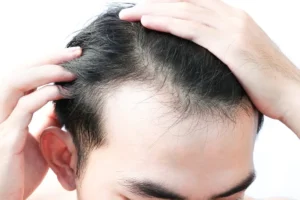
The first stage of the stages of hair loss often manifests as diffuse thinning rather than a distinct bald spot. Many individuals mistake this natural shedding for normal hair turnover, which typically ranges from 50 to 100 strands per day. However, when you notice a gradual reduction in volume across the crown or temples, it may signal the onset of a more persistent condition.
Key indicators of early thinning include:
- Increased hair shedding during washing or brushing.
- Thinner ponytail or braid that feels less dense.
- Visible scalp through a part that previously appeared full.
- Hair that feels finer or softer than before.
Distinguishing normal shedding from early loss is crucial. The table below compares typical daily hair loss with early-stage thinning patterns:
| Aspect | Normal Shedding | Early‑Stage Thinning |
|---|---|---|
| Strands lost per day | 50‑100 | 150‑200+ |
| Location | Evenly distributed | Primarily crown and temples |
| Hair texture | Unchanged | Finer, softer |
When these signs appear consistently for several weeks, it is advisable to consult a specialist. Early intervention—such as topical minoxidil, nutritional support, or low‑level laser therapy—can often halt progression and restore density before the condition advances.
Progression Patterns – From Diffuse Thinning to Pattern Baldness
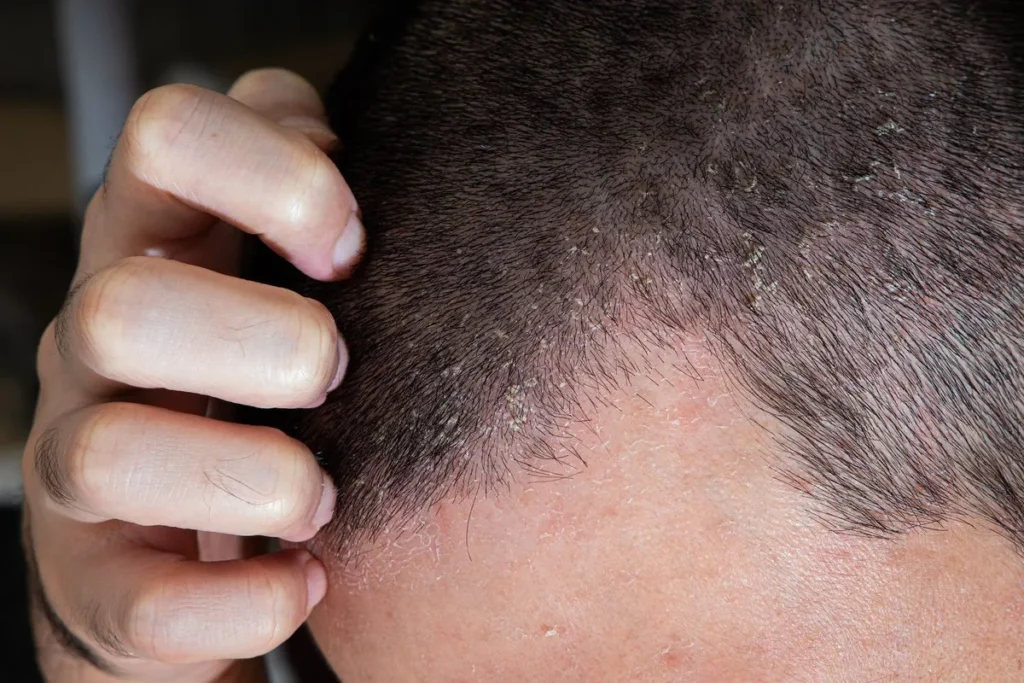
As the condition moves beyond the initial phase, the loss typically follows recognizable patterns. The most common are male pattern baldness and female pattern baldness, both forms of androgenetic alopecia. These patterns are classified using the Norwood scale for men and the Ludwig scale for women, providing a visual framework for clinicians to assess severity.
Key progression milestones include:
- Stage II (Norwood): Receding hairline at the temples, creating an “M” shape.
- Stage III (Norwood): Noticeable thinning at the crown, often the first balding spot.
- Stage IV (Norwood): Bridge of hair connecting the temples and crown begins to thin.
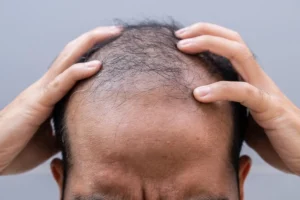
- Stage V‑VII (Norwood): Extensive loss, leaving only a horseshoe of hair on the sides and back.
Women typically experience a diffuse thinning over the top of the scalp while preserving the frontal hairline. This pattern is captured in the Ludwig scale, ranging from Grade I (mild thinning) to Grade III (significant loss).
Understanding these patterns helps determine the most appropriate therapeutic route. For example, individuals at Norwood Stage III may benefit from a combination of medication and surgical grafting, whereas those at Stage II might achieve satisfactory results with non‑surgical options alone.
Underlying Causes – What Triggers Each Stage
While genetics play a dominant role in androgenetic alopecia, each stage can be influenced by a variety of additional factors. Recognizing these triggers enables a more targeted treatment plan and can sometimes reverse early loss.
Common contributors include:
- Hormonal fluctuations: Elevated dihydrotestosterone (DHT) shrinks hair follicles, accelerating thinning.
- Stress‑related telogen effluvium: Physical or emotional stress pushes hairs into the resting phase, causing sudden shedding.
- Nutritional deficiencies: Lack of iron, zinc, or biotin can impair hair growth.
- Autoimmune conditions: Alopecia areata leads to patchy hair loss that can mimic early stages of pattern baldness.
- Medical treatments: Chemotherapy, anticoagulants, and certain antidepressants may trigger temporary loss.
Below is a concise table linking each major stage with its most frequent underlying cause:
| Stage | Typical Trigger |
|---|---|
| Early Diffuse Thinning | Telogen effluvium, nutritional deficit |
| Pattern Onset (Norwood I‑II) | Genetic DHT sensitivity |
| Advanced Pattern (Norwood III‑V) | Progressive follicular miniaturization |
| Severe Balding (Norwood VI‑VII) | Long‑term hormonal influence, age‑related decline |
Identifying the root cause at each stage not only guides therapy but also informs lifestyle adjustments—such as stress management, diet optimization, and hormonal evaluation—that can complement medical treatments.
Treatment Options Aligned with Each Stage
Effective management of the stages of hair loss requires matching the intervention to the severity and underlying cause. Below is a stage‑by‑stage guide to the most widely accepted therapies, ranging from topical agents to advanced surgical techniques.
Stage 1–2 (Early Diffuse Thinning)
- Topical minoxidil 5 % solution applied twice daily.
- Oral finasteride 1 mg for men with confirmed DHT‑related loss.
- Low‑level laser therapy (LLLT) caps or combs to stimulate follicles.
- Nutrition optimization—iron, zinc, biotin supplements.
Stage 3–4 (Pattern Onset)
- Continuation of minoxidil and finasteride.
- Platelet‑rich plasma (PRP) injections to improve vascular supply.
- Consideration of Follicular Unit Extraction (FUE) for modest grafting.
Stage 5–7 (Advanced Balding)
- Comprehensive surgical planning—FUE or Direct Hair Implantation (DHI) for higher density.
- Adjunctive therapies such as scalp micropigmentation to conceal residual gaps.
- Long‑term maintenance with minoxidil or anti‑androgen therapy.
The following comparison table summarizes recommended treatments per stage:
| Stage | Medical | Surgical | Supportive |
|---|---|---|---|
| 1‑2 | Minoxidil, Finasteride (men) | None | LLLT, Nutrition |
| 3‑4 | Minoxidil, Finasteride, PRP | FUE (small grafts) | Scalp massage, Stress reduction |
| 5‑7 | Minoxidil, Anti‑androgens | FUE or DHI (large volume) | Scalp micropigmentation, Hair styling |
Choosing the right combination hinges on a thorough clinical evaluation, which includes scalp analysis, medical history, and sometimes a trichogram. Professional clinics in Turkey, such as Gold City Hair, specialize in customizing these protocols to achieve natural‑looking density.
Monitoring and When to Seek Professional Help
Regular monitoring is essential to determine whether the chosen regimen is effective or if escalation is required. Most experts recommend a follow‑up every three to six months during the first two years of treatment.
Key milestones to watch for include:
- Stabilization of shedding rates within 2‑4 months of starting medication.
- Visible increase in hair shaft thickness after 6‑12 months.
- Any sudden acceleration of loss, which may indicate an underlying medical issue.
- Persistent scalp irritation or side effects from topical agents.
If you notice any of the above red flags, it is time to schedule a comprehensive assessment. A qualified clinic will perform a detailed scalp examination, possibly supplemented by a trichoscopic video, to reassess the stage and adjust the treatment plan accordingly.
Early surgical consultation does not necessarily mean immediate grafting; it allows the specialist to map donor areas, discuss realistic expectations, and plan for future procedures when the hair loss stabilizes.
Why Choose Gold City Hair
Gold City Hair has been delivering personalized hair restoration solutions in Turkey since 2017. Our clinic combines the latest FUE and DHI technologies with a transparent, patient‑focused approach. Each treatment plan is tailored to the individual’s specific stage of hair loss, ensuring optimal graft survival and natural results. With a team of experienced surgeons and a commitment to safety, we help clients regain confidence and a fuller appearance.
Ready to take control of your hair journey? Contact Gold City Hair today for a free, no‑obligation consultation and discover the most effective solution for your current stage of hair loss.
Experience personalized care, state‑of‑the‑art facilities, and results that speak for themselves.
FAQ
What are the early signs of hair loss?
Early hair loss appears as diffuse thinning, increased shedding, finer hair, and a visible scalp through a part that used to look full.
How does the Norwood scale classify male pattern baldness?
The Norwood scale grades male pattern baldness from Stage I (minimal recession) to Stage VII (extensive loss, leaving only a horseshoe of hair).
What are common causes of hair loss at different stages?
Genetics, hormonal changes, stress, nutritional deficiencies, autoimmune conditions, and certain medications can trigger hair loss at various stages.
Which treatments are recommended for early‑stage hair thinning?
Topical minoxidil, oral finasteride (for men), low‑level laser therapy, and nutritional supplementation are typical first‑line options.
When should I consider surgical options for hair loss?
Surgical interventions are usually considered at Norwood Stage III or higher, when medical therapy alone is insufficient.
How often should I monitor my hair loss progress?
A follow‑up every three to six months during the first two years is recommended to assess treatment effectiveness.