Seeing a white bulb on hair follicle can be puzzling, especially when you’re already concerned about hair loss. This tiny, pale tip at the base of a strand is a normal part of the hair growth cycle, yet it often raises questions about health, stress, and shedding. In this article we’ll explain what the white bulb signifies, why it may become more noticeable, and when it could indicate an underlying issue such as telogen effluvium or other forms of hair thinning. By the end, you’ll have clear guidance on caring for your scalp and knowing when professional evaluation is warranted.
Hair loss affects millions worldwide, with studies showing that up to 50 % of men and women experience noticeable shedding by age 35. The appearance of a white bulb is frequently observed during the shedding phase, but it can also be a sign of stress‑related hair loss, nutritional deficiencies, or hormonal shifts. Understanding the science behind this small structure empowers you to make informed decisions about treatment and prevention.
We’ll explore the anatomy of the hair follicle, the factors that influence the visibility of the white bulb, and practical steps you can take to support healthy regrowth. Whether you’re dealing with occasional shedding or a more persistent thinning pattern, the information here will help you navigate the journey toward stronger, fuller hair.
What Is the White Bulb on a Hair Follicle?
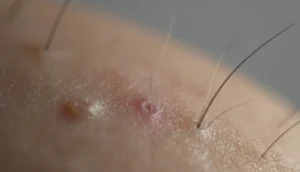
The white bulb on hair follicle is the distal end of the hair shaft that remains attached to the hair root after the strand has been shed. It appears white because the keratinized cells lose pigment as they move away from the active growth zone, known as the hair papilla. This bulb is a natural component of the hair’s life cycle, marking the transition from the anagen (growth) phase to the telogen (resting) phase.
During the anagen phase, the hair bulb is richly supplied with blood vessels and melanocytes, which give the hair its color. As the follicle enters telogen, the blood supply diminishes, melanocyte activity ceases, and the bulb becomes translucent, often appearing as a tiny white tip. When the hair eventually falls out, the bulb may still be attached to the follicle for a short period before being completely released.
Key points about the white bulb:
- It indicates that the hair has completed its growth cycle.
- Its presence is normal and typically harmless.
- It can become more visible during periods of increased shedding, such as after stress or illness.
Understanding this structure helps differentiate normal shedding from pathological hair loss. In the next sections we’ll examine why the white bulb may become more prominent and what underlying conditions could be at play.

Common Causes of a Visible White Bulb
While the white bulb itself is a normal feature, certain conditions can increase its visibility. Below are the most frequent contributors:
Telogen Effluvium
Telogen effluvium is a temporary form of hair loss triggered by physiological or emotional stressors. When the body experiences a shock—such as illness, surgery, or severe anxiety—a larger proportion of hair follicles shift into the telogen phase simultaneously. As these hairs shed, the white bulbs become more noticeable.
Stress and Hormonal Changes
Chronic stress can disrupt the hair growth cycle, leading to increased shedding and a higher count of white‑bulb‑bearing strands. Hormonal fluctuations, especially those involving thyroid hormones or androgens, may also accelerate the transition to telogen, making the white bulb more prevalent.
Nutritional Deficiencies
Lack of essential nutrients like iron, zinc, biotin, and protein can weaken the hair shaft and affect the pigmentation of the bulb. When the follicle is undernourished, melanocyte activity declines, resulting in a paler, more visible bulb.
Mechanical Damage
Frequent pulling, harsh brushing, or tight hairstyles can cause hair to break near the root, sometimes leaving the bulb exposed. This mechanical stress can also trigger premature entry into the telogen phase.
Below is a quick reference list of factors that may increase the appearance of white bulbs:
- Acute or chronic stress
- Sudden weight loss or restrictive diets
- Pregnancy and postpartum hormonal shifts
- Thyroid disorders (hypo‑ or hyperthyroidism)
- Iron or zinc deficiency
- Excessive heat styling or chemical treatments
Identifying which of these factors applies to you can guide appropriate lifestyle adjustments or medical interventions.
When to Seek Professional Evaluation
Most instances of a white bulb are harmless, but certain patterns may signal a deeper issue that warrants medical attention. Pay attention to the following warning signs:
| Indicator | Possible Underlying Condition |
|---|---|
| Sudden increase in shedding (>100 hairs/day) | Acute telogen effluvium, severe stress, illness |
| Persistent thinning across the scalp | Androgenetic alopecia, chronic telogen phase |
| Scalp itching, redness, or scaling | Dermatological conditions (psoriasis, seborrheic dermatitis) |
| Patchy hair loss with visible white bulbs | Alopecia areata, fungal infection |
| Hair loss accompanied by fatigue, weight changes | Thyroid dysfunction, anemia |
If you notice any of these symptoms, it’s advisable to schedule a consultation with a dermatologist or a hair restoration specialist. Early diagnosis can differentiate between temporary shedding and progressive conditions that may benefit from targeted therapies, including hair transplant procedures.
During a professional evaluation, doctors often perform a trichoscopic examination, blood tests for hormonal and nutritional markers, and a detailed scalp analysis. This comprehensive approach ensures that any treatment plan addresses the root cause rather than just the visible symptoms.
How to Care for Hair Follicles with Prominent White Bulbs
Even when the white bulb is a normal part of shedding, supporting the health of your hair follicles can minimize excessive visibility and promote robust regrowth. Consider the following care strategies:
Nutrition and Supplements
Incorporate a balanced diet rich in protein, omega‑3 fatty acids, and micronutrients. Supplements such as biotin, zinc, and iron (under medical guidance) can strengthen the hair shaft and improve pigment retention, reducing the stark contrast of the white bulb.
Gentle Hair Handling
Avoid aggressive brushing, tight ponytails, and excessive heat styling. Use a wide‑tooth comb on wet hair and opt for sulfate‑free shampoos that maintain scalp moisture without stripping natural oils.
Stress Management
Practices like mindfulness meditation, regular exercise, and adequate sleep can lower cortisol levels, which in turn stabilizes the hair growth cycle. Reducing stress diminishes the likelihood of large‑scale telogen shift and the subsequent surge of white‑bulb‑bearing hairs.
Topical Treatments
Minoxidil (approved for both men and women) can prolong the anagen phase, decreasing the proportion of hairs entering telogen. While minoxidil does not eliminate the white bulb, it reduces overall shedding, making the phenomenon less noticeable.
Below is a quick checklist for daily scalp care:
- Wash with lukewarm water; avoid hot water.
- Massage the scalp gently for 2‑3 minutes to stimulate blood flow.
- Apply a nourishing serum containing peptides or growth factors.
- Limit chemical treatments to no more than once a month.
- Schedule regular check‑ins with a hair specialist if shedding persists.
Implementing these habits creates a supportive environment for follicles, helping them transition smoothly through the growth cycle and keeping the white bulb from becoming a cosmetic concern.
Medical Options and When Transplant May Be Needed
For individuals experiencing persistent thinning or pattern baldness, the presence of a white bulb may be part of a larger picture of follicular miniaturization. When conservative measures fail, medical interventions become appropriate.
Pharmacologic Treatments
Finasteride (for men) and oral anti‑androgens (for women) can halt the progression of androgenetic alopecia, preserving existing follicles and reducing the number of hairs that enter telogen prematurely. These medications are most effective when started early.
Platelet‑Rich Plasma (PRP)
PRP therapy involves injecting concentrated platelets from your own blood into the scalp to stimulate follicle activity. Studies suggest PRP can improve hair density and shorten the telogen phase, indirectly decreasing the frequency of white bulbs.
Hair Transplant Techniques
When follicle loss is significant, FUE (Follicular Unit Extraction) or DHI (Direct Hair Implantation) procedures performed by experienced clinics like Gold City Hair can restore natural‑looking hair. These techniques transplant healthy hair follicles from donor areas to thinning zones, providing permanent coverage.
Key considerations before opting for a transplant:
- Stability of the underlying condition (e.g., telogen effluvium should resolve first)
- Adequate donor hair availability
- Realistic expectations about density and recovery time
- Medical clearance for surgery
Consulting with a qualified hair restoration specialist ensures a personalized plan that addresses both the visible white bulb phenomenon and the long‑term health of your scalp.
Why Choose Gold City Hair for Your Hair Restoration Needs
Gold City Hair has been delivering personalized hair restoration solutions in Turkey since 2017. Our team combines advanced FUE and DHI techniques with transparent communication, ensuring each patient receives a treatment plan tailored to their unique scalp condition. Whether you’re dealing with stress‑related shedding, telogen effluvium, or permanent hair loss, our experts provide comprehensive assessments and evidence‑based options to help you regain confidence.
Ready to take control of your hair health? Contact Gold City Hair today to schedule a confidential consultation and discover the most effective solution for your scalp.
Experience personalized care, state‑of‑the‑art technology, and lasting results—your journey to fuller hair starts now.
FAQ
What does a white bulb on a hair follicle indicate?
It marks the end of a hair’s growth cycle, showing the strand has entered the resting (telogen) phase before shedding.
Why does the white bulb become more visible during shedding?
Because more hairs enter the telogen phase at once, increasing the number of shed strands that still have the translucent bulb attached.
Can stress cause a white bulb to appear on my hair?
Yes, chronic or acute stress can push hairs into telogen, leading to more visible white bulbs during shedding.
When should I see a dermatologist about white bulbs?
If you notice sudden massive shedding, persistent thinning, scalp irritation, or other concerning symptoms alongside the white bulbs.
How can nutrition affect the visibility of the white bulb?
Deficiencies in iron, zinc, biotin, or protein can weaken hair shafts and reduce pigment, making the bulb appear whiter and more noticeable.
Are there treatments that can reduce the appearance of white bulbs?
Treatments that prolong the anagen phase, like minoxidil, or address underlying causes, can lower shedding and thus fewer visible white bulbs.