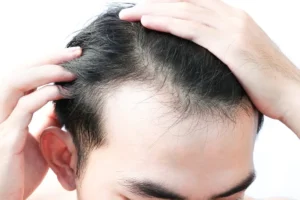
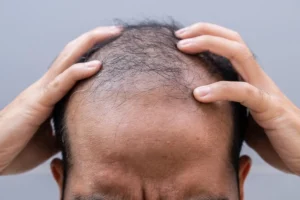
Finding a safe, effective way to decrease hair fall naturally is a top priority for many who notice thinning strands or excessive shedding. In this article we explore evidence‑based strategies that you can start today, from nutrition tweaks to simple scalp routines. According to the World Health Organization, up to 50 % of men and 40 % of women will experience noticeable hair loss by the age of 35, making early prevention essential.
We’ll walk through the most common causes of hair loss, highlight the nutrients that support follicle health, and share practical lifestyle adjustments that reduce stress on the scalp. Whether you’re dealing with seasonal shedding or a more persistent pattern, these natural methods can help you maintain a fuller, healthier look.
Finally, we’ll discuss when it may be time to consider professional interventions, such as the advanced hair transplant techniques offered by Gold City Hair, ensuring you have a complete roadmap from home care to clinical solutions.
Understanding the Causes of Hair Loss
Before you can effectively decrease hair fall naturally, it’s important to identify the underlying triggers. Hair loss is rarely caused by a single factor; instead, a combination of genetics, hormonal changes, nutritional deficiencies, and environmental stressors often play a role.
Key contributors include:
- Genetic predisposition (androgenetic alopecia)
- Hormonal fluctuations, especially thyroid and estrogen levels
- Deficiencies in iron, zinc, and vitamin D
- Chronic stress and poor sleep quality
- Harsh hair care practices (tight hairstyles, excessive heat)
Understanding these factors allows you to target the right areas with natural remedies. For instance, if iron deficiency is a primary cause, incorporating iron‑rich foods or supplements can dramatically improve hair density.
| Cause | Typical Signs | Natural Countermeasure |
|---|---|---|
| Hormonal imbalance | Diffuse thinning, especially after pregnancy | Phytoestrogen‑rich foods (flaxseed, soy) |
| Iron deficiency | Hair breaks easily, pale skin | Red meat, lentils, spinach |
| Stress | Sudden shedding (telogen effluvium) | Mindfulness, regular exercise |

Nutrition and Supplements for Stronger Hair
What you eat directly influences the health of your hair follicles. A diet rich in proteins, essential fatty acids, and micronutrients provides the building blocks needed for robust hair growth.
Key Nutrients
- Protein: Hair is primarily keratin; adequate protein prevents brittleness.
- Biotin (Vitamin B7): Supports keratin production.
- Vitamin C: Enhances iron absorption and acts as an antioxidant.
- Omega‑3 fatty acids: Reduce inflammation and improve scalp circulation.
- Zinc and Selenium: Crucial for DNA synthesis in hair cells.
Sample Daily Meal Plan
- Breakfast: Greek yogurt with berries, a tablespoon of ground flaxseed, and a boiled egg.
- Lunch: Grilled salmon salad with mixed greens, cherry tomatoes, and a drizzle of olive oil.
- Snack: A handful of almonds and a piece of fruit.
- Dinner: Lentil stew with spinach, carrots, and quinoa.
For those who struggle to meet their nutritional needs through food alone, high‑quality supplements such as a biotin‑rich complex or a marine‑based omega‑3 capsule can be beneficial. Always choose products that are third‑party tested and free of unnecessary additives.
Lifestyle Habits That Reduce Hair Shedding
Beyond diet, everyday habits have a profound impact on hair health. Simple adjustments can create an environment where follicles thrive.
Stress Management
Chronic stress elevates cortisol, which can shrink hair follicles and accelerate the telogen phase. Incorporate at least 20 minutes of relaxation daily—options include meditation, deep‑breathing exercises, or gentle yoga.
Sleep Quality
Adequate sleep (7‑9 hours) promotes the release of growth hormone, essential for tissue repair, including hair. Aim for a consistent bedtime routine and keep electronic devices out of the bedroom.
Scalp Care Routine
- Use a mild, sulfate‑free shampoo no more than 2‑3 times per week.
- Massage the scalp for 3‑5 minutes each wash to stimulate blood flow.
- Avoid tight hairstyles that pull on the roots.
These habits, when practiced consistently, can significantly lower daily hair loss and improve overall strand strength.
Effective Home Remedies and Scalp Care
Natural topical treatments can complement dietary and lifestyle changes. While they won’t replace medical therapy for advanced loss, they are valuable for maintaining a healthy scalp environment.
Rosemary Oil Treatment
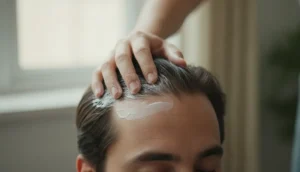
Rosemary essential oil has been shown in studies to improve circulation and promote hair growth. Mix 5 drops of rosemary oil with a tablespoon of carrier oil (e.g., jojoba) and massage into the scalp twice weekly.
Aloe Vera Gel
Aloe vera soothes inflammation and balances pH levels. Apply fresh aloe gel directly to the scalp, leave for 30 minutes, then rinse with lukewarm water.
Green Tea Rinse
Rich in catechins, green tea can reduce dihydrotestosterone (DHT) formation. Brew two bags of green tea, let cool, and use as a final rinse after shampooing.
| Remedy | Key Benefits | Frequency |
|---|---|---|
| Rosemary Oil | Improves scalp circulation | 2× per week |
| Aloe Vera Gel | Reduces inflammation, balances pH | 3× per week |
| Green Tea Rinse | Antioxidant protection, DHT reduction | Daily |
Consistency is key; most users notice reduced shedding after 8‑12 weeks of regular use.
When Natural Methods Aren’t Enough: Professional Options
Even with diligent natural care, some individuals experience progressive thinning that requires medical intervention. Recognizing the right time to seek professional help can prevent further loss.
When to Consult a Specialist
- Hair loss persists for more than 6 months despite lifestyle changes.
- Sudden, patchy bald spots appear.
- Family history indicates a strong genetic component.
Advanced Hair Restoration at Gold City Hair
Gold City Hair offers state‑of‑the‑art techniques such as Follicular Unit Extraction (FUE) and Direct Hair Implantation (DHI). These procedures provide permanent, natural‑looking results with minimal downtime. Our team conducts a thorough assessment to determine the best individualized plan, ensuring optimal graft survival and aesthetic outcome.
Choosing a reputable clinic with experienced surgeons and transparent communication—like Gold City Hair—maximizes the success of your hair restoration journey.
Why Choose Gold City Hair
Gold City Hair has been delivering personalized hair restoration solutions since 2017. Our clinic combines cutting‑edge FUE and DHI technologies with a patient‑first approach, ensuring each client receives a tailored treatment plan. Transparent communication, international accreditation, and a commitment to natural‑looking results set us apart as a trusted partner for anyone seeking lasting confidence through hair restoration.
Ready to take the next step toward healthier, fuller hair? Contact Gold City Hair today for a personalized consultation and discover how our expert team can support your journey.
Start your transformation now—your confidence is just a call away.
FAQ
What are the main natural causes of hair loss?
Hair loss can stem from genetics, hormonal imbalances, nutrient deficiencies, chronic stress, and harsh hair‑care practices.
Which nutrients are most important for preventing hair fall?
Protein, biotin, vitamin C, omega‑3 fatty acids, zinc, and selenium are key for strong, healthy hair.
How can lifestyle changes reduce hair shedding?
Managing stress, getting quality sleep, and adopting gentle scalp‑care habits can lower daily hair loss.
Are home remedies like rosemary oil or aloe vera effective?
Yes, when used consistently they can improve scalp circulation and reduce inflammation, supporting hair growth.
When should I consider professional hair restoration?
If hair loss continues for over six months despite natural methods, or if you notice sudden patchy bald spots, consult a specialist.