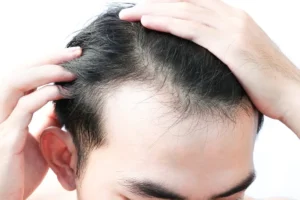
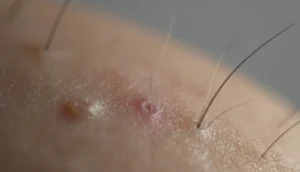
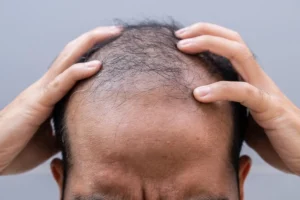
Understanding when does hair thinning start is the first step toward taking control of your hair health. Many people notice subtle changes in density before a full‑blown recession becomes obvious, and early detection can dramatically improve treatment outcomes. In fact, studies show that up to 40 % of individuals experience measurable thinning before the age of 30, making awareness crucial for timely intervention.
This article explores the typical timelines for hair thinning in both men and women, the underlying causes such as androgenetic alopecia and alopecia areata, and the warning signs that signal it’s time to seek professional advice. By the end, you’ll have a clear roadmap for monitoring your scalp, understanding risk factors, and choosing effective solutions that restore confidence.
Whether you’re noticing a widening part, a receding hairline, or simply more hairs on your pillow, the information below will help you determine if what you’re experiencing is normal shedding or the early stage of thinning that warrants attention.
Understanding Hair Thinning: Causes and Early Signs
Hair thinning is a gradual reduction in hair shaft density that can affect any part of the scalp. While shedding of 50–100 hairs per day is normal, a consistent increase often points to underlying factors. The most common causes include:
- Androgenetic alopecia – the hereditary pattern linked to hormones, known as male or female pattern baldness.
- Alopecia areata – an autoimmune condition that causes patchy hair loss.
- Hormonal fluctuations – pregnancy, menopause, and thyroid disorders can accelerate thinning.
- Stress and lifestyle – chronic stress, poor nutrition, and lack of sleep influence the hair growth cycle.
- Traction alopecia – constant pulling from tight hairstyles.
Early visual cues often precede noticeable bald spots. Look for a:
- Widening part line.
- Increased scalp visibility, especially under bright lighting.
- Hair that feels thinner when brushed.
Below is a comparison of typical patterns in men versus women:
| Feature | Male Pattern | Female Pattern |
|---|---|---|
| Initial Area | Receding hairline & crown | Diffuse thinning on top |
| Progression Speed | Rapid over 5‑10 years | Slower, over decades |
| Common Age Onset | Late teens‑early 30s | Late 20s‑early 40s |
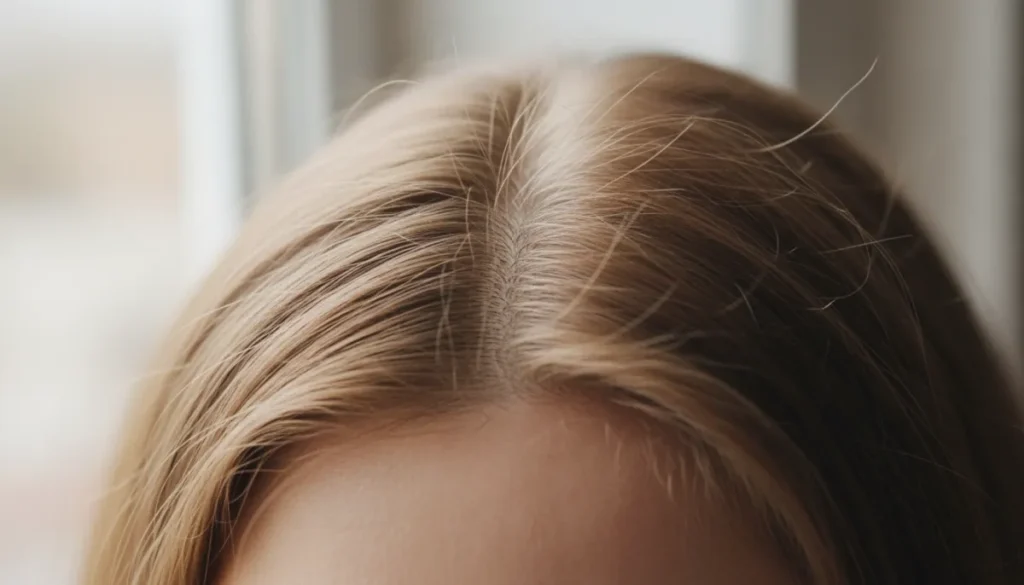
Typical Age Ranges for Hair Thinning Onset
While genetics play a dominant role, the age at which hair thinning starts varies widely. Below is a breakdown of common age brackets and the associated patterns:
- Teenagers (13‑19): Early signs often appear as a slight recession at the temples, especially in families with a history of male pattern baldness.
- Young Adults (20‑30): The majority of men notice a receding hairline or thinning at the crown; women may begin to see a widening part.
- Mid‑Life (31‑45): Accelerated thinning is common due to hormonal changes and cumulative stress.
- Later Years (46+): Both genders experience more pronounced loss, with increased risk of complete baldness in men.
These timelines are not absolute. Lifestyle, health conditions, and environmental factors can shift the onset earlier or later. The table below highlights average onset ages for specific types of alopecia:
| Alopecia Type | Typical Onset Age | Key Indicators |
|---|---|---|
| Androgenetic Alopecia (Male) | Late teens‑early 30s | Receding hairline, crown thinning |
| Androgenetic Alopecia (Female) | Late 20s‑early 40s | Diffuse thinning on top |
| Alopecia Areata | Any age, peaks 20‑30 | Patchy bald spots |
| Traction Alopecia | Varies, often early 20s | Fringe loss, tight hairstyle history |
Factors That Accelerate or Delay Thinning
Even if you fall within a typical age range, certain factors can speed up or slow down the progression of thinning. Understanding these influences helps you make informed lifestyle choices.
Accelerating Factors
- Hormonal Imbalance: Elevated dihydrotestosterone (DHT) levels shrink hair follicles.
- Nutrition Deficiencies: Lack of iron, zinc, or biotin hampers keratin production.
- Smoking: Reduces scalp circulation, leading to follicle stress.
- Chronic Stress: Triggers telogen effluvium, a temporary but noticeable shedding phase.
Delaying Factors
- Balanced Diet: Adequate protein, omega‑3 fatty acids, and antioxidants support healthy growth.
- Regular Exercise: Improves blood flow to the scalp.
- Stress Management: Practices such as meditation or yoga reduce cortisol spikes.
- Medical Interventions: Early use of minoxidil or finasteride can halt progression.
Below is a quick reference table summarizing how lifestyle choices impact hair thinning:
| Lifestyle Element | Positive Impact | Negative Impact |
|---|---|---|
| Diet | Protein, iron, vitamins | High sugar, low nutrients |
| Exercise | Improved circulation | Sedentary habits |
| Stress Levels | Low cortisol | Chronic anxiety |
| Smoking | None | Reduced scalp oxygen |
When to Seek Professional Evaluation
If you notice any of the following, it’s time to consult a hair restoration specialist. Early professional assessment can differentiate between normal shedding and progressive thinning that may benefit from medical or surgical treatment.
- Hair loss exceeding 100 strands per day.
- Visible scalp in multiple areas.
- Rapid widening of the part line within weeks.
- Associated symptoms such as itching, scaling, or pain.
- Family history of early‑onset baldness.
During a consultation, clinicians typically perform:
- Scalp Examination – visual and dermatoscopic assessment.
- Medical History Review – to identify hormonal or systemic contributors.
- Blood Tests – checking thyroid function, iron levels, and hormone panels.
- Hair Pull Test – determines active shedding phase.
The table below outlines diagnostic tools and what they reveal:
| Diagnostic Tool | Purpose | Typical Findings |
|---|---|---|
| Dermatoscopy | Visualize follicle health | Miniaturized hairs, perifollicular inflammation |
| Blood Panel | Detect systemic issues | Low ferritin, abnormal thyroid hormones |
| Pull Test | Assess active shedding | More than 10 hairs indicate telogen phase |
| Genetic Test | Identify predisposition | Presence of androgen‑sensitive gene variants |
Treatment Options and Preventive Strategies
Once a diagnosis is confirmed, a range of treatments can address the underlying cause of thinning. Options fall into three main categories: medical therapy, minimally invasive procedures, and surgical transplantation.
Medical Therapies
- Minoxidil – topical solution that prolongs the growth phase.
- Finasteride – oral medication that reduces DHT production (male‑only).
- Platelet‑Rich Plasma (PRP) – injections that stimulate follicle activity.
Minimally Invasive Procedures
- DHI (Direct Hair Implantation) – uses a fine‑tip implanter for precise placement.
- FUE (Follicular Unit Extraction) – removes individual grafts for transplantation.
Surgical Transplantation
For advanced thinning, a full‑scale transplant can restore natural density. Techniques such as FUE and DHI provide high survival rates and natural-looking results.
Below is a quick comparison of popular treatments:
| Treatment | How It Works | Typical Results Timeline | Best For |
|---|---|---|---|
| Minoxidil | Topical vasodilator | 3‑6 months | Early thinning, both genders |
| Finasteride | DHT blocker | 6‑12 months | Male pattern baldness |
| PRP | Growth factor infusion | 4‑8 weeks per session | Active shedding phases |
| FUE | Graft extraction & implantation | 9‑12 months for full growth | Moderate to advanced loss |
| DHI | Direct implantation with Choi pen | 8‑10 months | Precision needed areas |
Choosing the right approach depends on the stage of thinning, your health profile, and personal preferences. Combining medical therapy with a transplant often yields the most durable and natural outcomes.
Why Choose Gold City Hair
Gold City Hair has been delivering personalized hair restoration solutions in Turkey since 2017. Our clinic combines the latest FUE and DHI technologies with a transparent, patient‑centered approach. Every treatment plan is tailored to your unique pattern of thinning, ensuring natural‑looking results and lasting confidence.
Our experienced medical team conducts comprehensive assessments, from scalp analysis to blood work, before recommending the optimal combination of medical and surgical options. With a commitment to safety, quality, and clear communication, Gold City Hair is a trusted partner for anyone seeking effective solutions to hair thinning.
Ready to take the first step toward thicker, healthier hair? Contact Gold City Hair today to schedule your personalized consultation and discover the best treatment plan for you.
Regain confidence and enjoy lasting results—your journey to fuller hair begins now.
FAQ
When does hair thinning typically start?
Hair thinning can begin as early as the teenage years, with many people noticing subtle changes before age 30.
What are the early signs of hair thinning?
Early signs include a widening part line, increased scalp visibility, and hair that feels thinner when brushed.
What factors can accelerate hair thinning?
Accelerating factors include hormonal imbalances, nutrient deficiencies, smoking, and chronic stress.
How can I delay hair thinning?
Maintain a balanced diet, exercise regularly, manage stress, and consider early medical interventions like minoxidil.
When should I see a specialist for hair thinning?
Consult a professional if you notice rapid widening of the part, more than 100 hairs shed daily, or any scalp symptoms.
What treatment options are available for hair thinning?
Treatments include medical therapies (minoxidil, finasteride, PRP), minimally invasive procedures (DHI, FUE), and surgical transplantation.