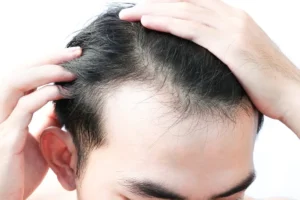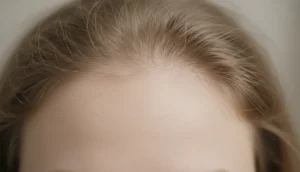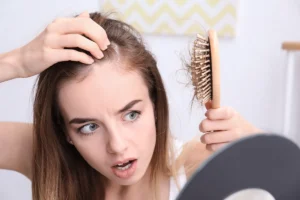
Many patients wonder why is my hair growing back while on chemo and expect that hair loss will continue until treatment ends. In reality, hair follicles respond differently to chemotherapy drugs, and some may resume activity even before the therapy is completed. Understanding this phenomenon helps patients manage expectations, maintain scalp health, and make informed decisions about hair care during treatment.
Chemotherapy targets rapidly dividing cells, which include cancer cells but also hair‑matrix cells. While the majority of follicles enter a resting phase, a subset can escape the drug’s effects or recover quickly, leading to early regrowth. Studies show that up to 15 % of patients notice new hair strands within weeks of starting treatment, especially with regimens that have a shorter half‑life.
This article explains the biological mechanisms behind early hair regrowth, outlines factors that influence timing, and offers practical tips for caring for emerging hair. Whether you are experiencing unexpected curls, fine new strands, or a full‑density return, the information below will help you navigate this surprising side of chemotherapy.
How Chemotherapy Impacts Hair Follicles
Chemotherapy drugs circulate throughout the bloodstream, reaching the scalp and affecting the hair growth cycle. The chemotherapy impact can be broken down into three key phases:
- Anagen (growth) phase disruption: Most hair follicles are in the active growth stage when treatment begins, making them vulnerable to drug‑induced damage.
- Catagen (transition) phase acceleration: Cells receive signals to enter a brief regression period, leading to shedding.
- Telogen (resting) phase prolongation: A larger proportion of follicles remain dormant, delaying new growth.
However, not all follicles follow the same timeline. Some retain a robust blood supply or possess genetic variations that reduce drug uptake, allowing them to continue producing keratin. This selective survival explains why why is my hair growing back while on chemo can be a common question among patients.
Below is a comparison of typical follicle responses to three widely used chemotherapy agents:
| Drug Class | Typical Follicle Impact | Average Time to Visible Regrowth |
|---|---|---|
| Alkylating agents (e.g., cyclophosphamide) | High disruption of anagen cells | 6–8 weeks |
| Antimetabolites (e.g., methotrexate) | Moderate disruption, some follicles spared | 4–6 weeks |
| Taxanes (e.g., paclitaxel) | Variable impact, often leads to early regrowth | 3–5 weeks |
Reasons Hair May Start Growing During Treatment
Early regrowth is not a sign that chemotherapy is failing; rather, it reflects the complex interaction between drug pharmacokinetics and individual biology. Several mechanisms can trigger hair to grow back while on chemo:
- Drug half‑life and dosing schedule: Short‑acting agents clear from the bloodstream quickly, allowing follicles to resume activity between cycles.
- Protective scalp cooling: Techniques such as cold caps reduce blood flow to the scalp, limiting drug exposure and preserving follicle function.
- Individual genetic factors: Variations in drug‑metabolizing enzymes can lessen toxicity to hair cells.
- Concurrent radiation therapy: When radiation is limited to non‑scalp areas, the scalp may escape additional damage, supporting earlier regrowth.
Patients often report that new hair appears finer, curlier, or a different shade—a phenomenon known as “chemo curls.” This is a normal part of the regrowth process and usually resolves as the hair matures.
Understanding why hair can reappear helps alleviate anxiety and informs decisions about scalp care, such as whether to continue wearing wigs or start gentle styling.
Factors That Influence the Timing of Hair Regrowth
The speed at which hair returns varies widely. Key factors include:
- Age: Younger patients generally experience faster cellular turnover.
- Type and intensity of chemotherapy: Less aggressive regimens allow quicker follicle recovery.
- Nutritional status: Adequate protein, vitamins, and minerals support keratin synthesis.
- Overall health and immune function: A robust immune system can mitigate collateral damage.
Research indicates that how long does it take for hair to grow back after chemotherapy ranges from three weeks to several months, depending on the above variables. For patients asking why is my hair growing back while on chemo, the answer often lies in a combination of drug clearance and personal resilience.
Below is a quick reference guide to expected regrowth timelines based on common treatment plans:
| Treatment Regimen | Typical Regrowth Onset | Full Coverage Estimate |
|---|---|---|
| Adjuvant breast cancer protocol (4‑cycle taxane) | 3–5 weeks | 4–6 months |
| Colorectal cancer FOLFOX (5‑FU + oxaliplatin) | 5–7 weeks | 5–7 months |
| Hodgkin lymphoma ABVD (adriamycin‑based) | 4–6 weeks | 3–5 months |
These timelines are averages; individual experiences may differ. Monitoring scalp condition and documenting changes can help clinicians adjust supportive care.
Managing New Hair Growth and Scalp Health
When hair begins to reappear, the scalp may be sensitive, dry, or prone to irritation. Proper care can enhance the quality of new growth and reduce discomfort.
Gentle Cleansing
Use sulfate‑free, pH‑balanced shampoos. Avoid hot water, which can strip natural oils. A mild conditioner applied to the mid‑shaft and ends helps maintain elasticity.
Scalp Moisturization
Light, non‑comedogenic oils such as jojoba or argan can soothe itching. For patients experiencing dryness, a dermatologist‑recommended scalp serum containing hyaluronic acid may be beneficial.
Protective Styling
Opt for loose braids or soft headbands. Avoid tight elastics that can cause traction alopecia. If you choose to wear a wig, ensure the cap is breathable and cleaned regularly.
Nutrition and Supplements
Protein intake of 1.2–1.5 g/kg body weight, along with vitamins B‑complex, biotin, and zinc, supports keratin production. Always discuss supplement use with your oncology team.
By following these steps, patients can nurture the emerging strands, reduce the risk of breakage, and improve overall scalp comfort while still undergoing treatment.
When to Seek Professional Advice About Hair Changes
While early regrowth is generally a positive sign, certain scenarios warrant medical attention:
- Sudden, patchy hair loss during a period of expected regrowth: Could indicate an infection or medication interaction.
- Severe scalp itching, redness, or sores: May be a sign of dermatitis or fungal infection.
- Unusual hair texture that does not improve over time: Could reflect underlying nutritional deficiencies.
Consult your oncologist or a dermatologist if you notice any of these symptoms. They can evaluate whether adjustments to chemotherapy dosing, supportive medications, or topical treatments are needed.
Additionally, patients interested in long‑term hair restoration after completing chemotherapy may explore options such as FUE or DHI transplants. Discussing future plans with a specialist ensures a seamless transition from cancer care to aesthetic restoration.
Why Choose Gold City Hair
At Gold City Hair, we understand that hair health is deeply linked to confidence and well‑being. Since 2017, our clinic in Turkey has delivered personalized hair restoration solutions, including FUE, DHI, and eyebrow or beard transplants. Our team combines medical expertise with artistic precision, ensuring natural‑looking results for every client. Transparent communication, individualized treatment plans, and a commitment to safety set us apart as a trusted partner for those seeking lasting hair confidence.
Ready to discuss your hair journey after chemotherapy? Contact Gold City Hair today for a confidential consultation and learn how we can help you achieve lasting, natural results.
FAQ
Why is my hair growing back while on chemo?
Hair can regrow early because some follicles escape drug damage or recover quickly between treatment cycles.
How long does it take for hair to grow back after chemotherapy?
Typical regrowth begins 3–7 weeks after treatment, with full coverage taking 3–7 months depending on the regimen.
What factors influence early hair regrowth during chemotherapy?
Drug half‑life, scalp cooling, genetics, and concurrent radiation are key factors.
Can protective scalp cooling help prevent hair loss or promote regrowth?
Yes, scalp cooling can reduce hair loss and may allow earlier regrowth by limiting drug exposure to follicles.
What hair‑care tips are recommended for new hair growth during chemotherapy?
Use gentle, sulfate‑free shampoos, moisturize the scalp, avoid tight styles, and maintain good nutrition.
When should I consult a doctor about hair changes during chemo?
Seek medical advice for sudden patchy loss, severe itching, redness, sores, or abnormal hair texture that persists.