Wondering will i get bald is a common concern for many adults noticing a few extra hairs on their pillow. This article breaks down the factors that determine whether you might lose your hair, from genetics and medical conditions to everyday habits that can accelerate thinning. By understanding the underlying causes, you can take proactive steps to preserve your hair and maintain confidence.
Hair loss affects up to 50 % of men and 40 % of women by the age of 35, making it one of the most prevalent cosmetic concerns worldwide. While some patterns are inevitable, many are preventable or treatable with the right knowledge and professional guidance.
In the sections that follow, we will explore the most common reasons for hair loss, how family history plays a role, lifestyle choices that may worsen the condition, when to seek expert help, and debunk common myths. Armed with this information, you’ll be better equipped to answer the question “will i get bald” for yourself.
Common Causes of Hair Loss
Hair loss can stem from a variety of sources, each affecting the scalp differently. Recognizing the root cause is essential for selecting the appropriate treatment.
- Alopecia areata – an autoimmune condition that causes sudden, patchy hair loss.
- Androgenetic alopecia – often referred to as male or female pattern baldness.
- Telogen effluvium – a temporary shedding phase triggered by stress, illness, or hormonal shifts.
- Traction alopecia – resulting from tight hairstyles that pull on the hair shaft.
- Nutritional deficiencies – lack of iron, vitamin D, or protein can weaken hair follicles.
Below is a quick comparison of the most prevalent types of hair loss in men and women:
| Type | Typical Pattern | Gender Prevalence | Reversibility |
|---|---|---|---|
| Androgenetic Alopecia | Receding hairline, crown thinning | Men > Women | Partially reversible with treatment |
| Telogen Effluvium | Diffuse shedding across scalp | Both | Usually reversible within 6‑12 months |
| Alopecia Areata | Round, smooth patches | Both | Variable, may regrow spontaneously |
| Traction Alopecia | Hair loss along hairline or temples | Both, higher in women | Reversible if caught early |
Understanding which category fits your situation helps answer the lingering question of will i get bald and guides you toward effective solutions.
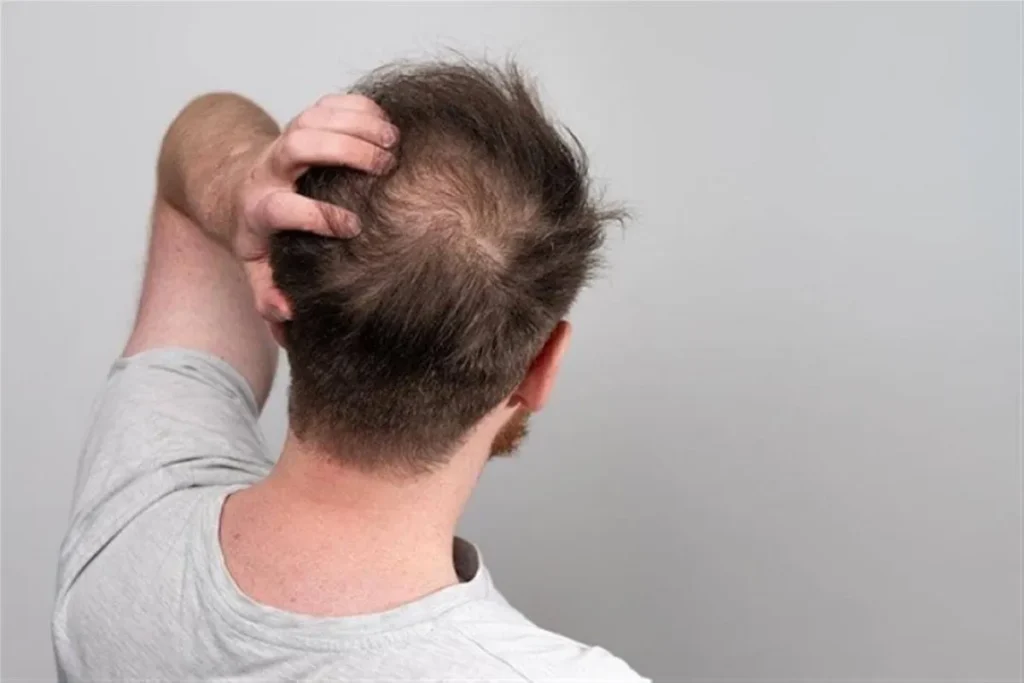
How Genetics Influence Baldness
Genetics play a pivotal role in determining whether you will get bald. The most well‑known hereditary condition is androgenetic alopecia, which accounts for up to 95 % of hair loss in men and a significant proportion in women.
Family history is a strong predictor: if your father, grandfather, or even your mother experienced early thinning, your own risk increases. The responsible genes affect how hair follicles respond to dihydrotestosterone (DHT), a hormone derived from testosterone that shrinks follicles over time.
Below is a summary of genetic risk factors and their typical impact:
| Risk Factor | Effect on Hair Follicles | Typical Onset Age |
|---|---|---|
| Male family history of early baldness | Increased DHT sensitivity | Late teens to early 30s |
| Female relatives with diffuse thinning | Hormonal imbalance susceptibility | 30s‑40s |
| Specific AR gene variants | Accelerated follicle miniaturization | Variable |
While you cannot change your DNA, awareness of your genetic predisposition empowers you to monitor early signs such as a receding hairline or thinning crown. Early intervention—whether medical or surgical—can significantly slow or even reverse the progression, reducing the likelihood that you’ll answer “yes” to will i get bald later in life.
Lifestyle Factors and Everyday Habits That Accelerate Hair Thinning
Even if genetics set the stage, daily choices can tip the balance toward faster hair loss. Understanding these modifiable factors helps you answer will i get bald with more confidence.
- Stress – Chronic cortisol elevation can push hair into the telogen phase, leading to diffuse shedding.
- Diet – Insufficient protein, iron, or vitamin D deprives follicles of essential nutrients.
- Smoking – Nicotine reduces blood flow to the scalp, impairing follicle health.
- Harsh styling – Frequent heat, chemical treatments, or tight ponytails cause traction alopecia.
- Sleep deprivation – Poor rest disrupts hormonal balance, affecting hair growth cycles.
Adopting healthier habits can mitigate these risks. For example, incorporating omega‑3 rich foods, exercising regularly to improve circulation, and managing stress through meditation or therapy are all proven to support hair vitality.
By addressing lifestyle contributors now, you reduce the chance of future baldness and keep the “will i get bald” question at bay.
When to Seek Professional Evaluation and Treatment Options
If you notice persistent thinning, a receding hairline, or sudden patches, it’s time to consult a specialist. Early assessment allows clinicians to pinpoint the cause and recommend targeted therapies before extensive loss occurs.
Typical signs that warrant a professional visit include:
- Visible thinning on the crown or temples lasting longer than three months.
- Excessive shedding during washing or brushing.
- Family history of early baldness combined with current symptoms.
- Scalp irritation, redness, or unexplained patches.
Modern treatment options range from medication to advanced surgical techniques. Below is a concise overview of the most common interventions:
| Treatment | How It Works | Ideal Candidates | Typical Results |
|---|---|---|---|
| Finasteride (oral) | Blocks conversion of testosterone to DHT | Men with early to moderate androgenetic alopecia | Stabilizes loss, 10‑25 % regrowth |
| Minoxidil (topical) | Stimulates follicle blood flow | Both genders, mild to moderate thinning | Slows loss, modest regrowth |
| FUE Hair Transplant | Harvests individual follicles and implants them | Patients with permanent donor area | Natural‑looking, permanent density |
| DHI (Direct Hair Implantation) | Implants follicles using a specialized pen | Similar to FUE, prefers denser grafts | Higher graft survival, quicker recovery |
| PRP Therapy | Injects platelet‑rich plasma to promote growth | Early‑stage thinning, both genders | Improves thickness, supports other treatments |
Choosing the right approach depends on your specific diagnosis, hair loss stage, and personal goals. Consulting a qualified clinic can provide a customized plan that directly addresses whether you will get bald in the future.
Myths and Facts About Going Bald
Misconceptions about hair loss can cause unnecessary anxiety. Let’s separate fact from fiction so you can make informed decisions about the question “will i get bald.”
- Myth: Wearing hats causes baldness.
Fact: Hats only affect hair if they cause friction or restrict airflow, which is rare. - Myth: Shampooing daily prevents hair loss.
Fact: Over‑washing can strip natural oils, but frequency has minimal impact on genetic baldness. - Myth: Only men go bald.
Fact: Women experience female pattern baldness, often as diffuse thinning. - Myth: Cutting hair makes it grow faster.
Fact: Trimming removes split ends but does not affect follicle activity. - Myth: All hair loss is permanent.
Fact: Conditions like telogen effluvium and early‑stage alopecia are often reversible.
By debunking these myths, you gain a clearer perspective on your own risk and can focus on evidence‑based strategies rather than folklore.
Why Choose Gold City Hair
Gold City Hair combines years of expertise with state‑of‑the‑art techniques such as FUE and DHI to deliver natural, lasting results. Since 2017, our clinic in Turkey has helped thousands regain confidence through personalized treatment plans and transparent communication. Our team of certified surgeons and medical staff prioritizes safety, comfort, and aesthetic excellence, ensuring every patient receives the highest standard of care.
Ready to take control of your hair future? Contact Gold City Hair today for a confidential consultation and discover a tailored solution that fits your needs. Restore your confidence—schedule your appointment now.
FAQ
What are the most common causes of hair loss?
Hair loss is commonly caused by androgenetic alopecia, alopecia areata, telogen effluvium, traction alopecia, and nutritional deficiencies.
How does genetics influence the risk of going bald?
Genetics determines hair follicle sensitivity to DHT, making hereditary androgenetic alopecia the main driver of baldness.
Which lifestyle habits can accelerate hair thinning?
Stress, poor diet, smoking, harsh styling, and sleep deprivation can speed up hair loss.
When should I see a professional for hair loss?
Consult a specialist if thinning persists for more than three months, you notice sudden patches, or have a strong family history.
What are the most effective medical treatments for hair loss?
Finasteride, minoxidil, PRP therapy, and hair transplant surgery are among the most effective options.
Are common hair loss myths true?
No; myths like “hats cause baldness” or “cutting hair makes it grow faster” are false.





