Many people wonder will my hairline grow back after noticing a receding hairline or thinning at the front. This question is especially common among those who have experienced stress, hormonal changes, or an accidental haircut that left a noticeable gap. Understanding the factors that influence hairline recovery helps you set realistic expectations and choose the right treatment path.
Hair loss at the hairline can be caused by genetics, hormonal shifts, nutritional deficiencies, or even harsh styling practices. According to recent dermatology studies, up to 40% of men and 30% of women experience some degree of frontal hair thinning by age 35. Recognizing the underlying cause is the first step toward effective regrowth.
In this article, we explore the science behind hairline loss, natural and medical options for regrowth, and the role of surgical interventions such as FUE and DHI hair transplants. Whether you are seeking to regrow a hairline after a bad haircut or looking for long‑term solutions to a receding hairline, the information below will guide you toward informed decisions.
Causes of Hairline Loss and Potential for Regrowth
Identifying the root cause of a receding hairline is essential because it determines whether the hairline can naturally grow back or if medical assistance is required.
Genetic Factors
Androgenic alopecia, commonly known as male or female pattern baldness, is the leading cause of hairline recession. It affects the hair follicles’ growth cycle, shortening the anagen (growth) phase and causing miniaturization of hair strands.
Hormonal Influences
Hormonal fluctuations, especially elevated dihydrotestosterone (DHT) levels, can accelerate hairline thinning. Women may experience this after pregnancy or menopause, leading to a thinning hairline that appears uneven.
Trauma and Styling
Physical trauma, such as a severe haircut or tight ponytails, can damage the follicle region. While some cases of temporary hairline loss recover on their own, repeated tension may lead to permanent damage.
- Stress‑induced telogen effluvium
- Nutrient deficiencies (iron, zinc, biotin)
- Scalp infections or inflammation
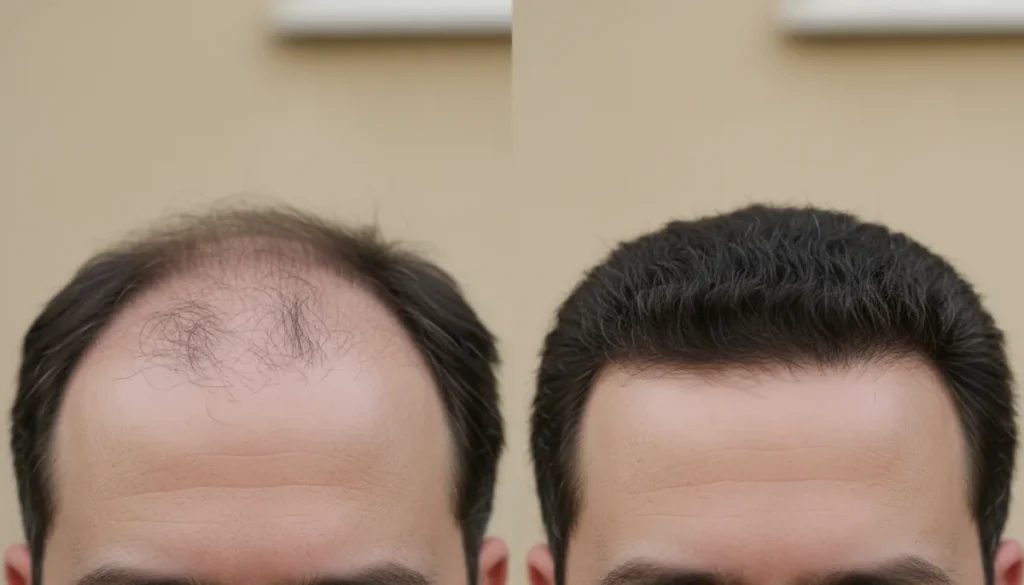
When the underlying issue is addressed—through lifestyle changes, medication, or proper scalp care—there is a realistic chance for the hairline to regrow. However, in cases of advanced follicular miniaturization, surgical options may provide the most reliable results.
Natural Remedies and Lifestyle Changes
Before turning to pharmaceuticals or surgery, many individuals explore natural methods to encourage hairline regrowth. While results vary, certain practices have shown promise in supporting follicle health.
Nutrition and Supplements
A diet rich in protein, omega‑3 fatty acids, and essential vitamins can strengthen hair follicles. Supplements such as biotin, zinc, and iron are often recommended for those with a thinning hairline due to nutritional gaps.
Scalp Massage and Microneedling
Regular scalp massage increases blood flow, delivering oxygen and nutrients to the follicular zone. Microneedling, performed with a dermaroller, creates micro‑injuries that stimulate collagen production and may improve the effectiveness of topical treatments.
| Remedy | Potential Benefit | Suggested Frequency |
|---|---|---|
| Scalp Massage | Enhanced circulation | 5‑10 minutes daily |
| Microneedling (0.5 mm) | Collagen induction, better absorption of topical agents | Once a week |
| Biotin Supplement | Supports keratin production | 5,000 µg per day |
These natural approaches are most effective when combined with a healthy lifestyle—adequate sleep, stress management, and avoidance of harsh chemical treatments. While they may not fully reverse a severe receding hairline, they can create a supportive environment for any subsequent medical or surgical treatment.
Medical Treatments: Minoxidil, Finasteride, and More
When natural methods are insufficient, clinicians often prescribe FDA‑approved medications that target the hormonal and cellular mechanisms behind hair loss. Understanding how each works helps you decide whether will my hairline grow back with medication alone.
Minoxidil (Topical)
Minoxidil is a vasodilator that prolongs the anagen phase, encouraging thicker hair growth. It is effective for both men and women, especially in the early stages of a receding hairline. Consistent twice‑daily application is key; noticeable results typically appear after 3‑6 months.
Finasteride (Oral)
Finasteride inhibits the conversion of testosterone to DHT, reducing the hormonal driver of follicular miniaturization. It is primarily prescribed for men with a receding hairline, and studies show a 30‑45% improvement in hair density after one year of use.
Combination Therapy
Many clinicians recommend using minoxidil and finasteride together for synergistic effects. Adding low‑level laser therapy (LLLT) or platelet‑rich plasma (PRP) injections can further enhance outcomes.
- Minoxidil: 5% solution or foam, apply twice daily
- Finasteride: 1 mg tablet, once daily
- LLLT: 15‑minute sessions, 2‑3 times per week
- PRP: 3‑4 sessions spaced 4‑6 weeks apart
While these treatments can stimulate regrowth, they require lifelong maintenance. Discontinuation often leads to a rapid return of hair loss, which is why many patients consider a more permanent solution.
Surgical Options: FUE and DHI Hair Transplant for the Hairline
For individuals asking will my hairline grow back after trying other methods without success, surgical transplantation offers a durable solution. Modern techniques such as Follicular Unit Extraction (FUE) and Direct Hair Implantation (DHI) have refined the process, delivering natural‑looking results with minimal downtime.
FUE (Follicular Unit Extraction)
FUE involves harvesting individual follicular units from a donor area—typically the back of the scalp—and implanting them into the hairline. The method leaves tiny, dot‑like scars that are virtually invisible. A typical session can transplant 1,500‑3,000 grafts, sufficient for a full frontal restoration.
DHI (Direct Hair Implantation)
DHI uses a patented implanter pen that places grafts directly into the recipient site without creating pre‑made channels. This allows for higher precision, especially in the delicate hairline zone, and can result in a denser, more natural hairline.
| Technique | Key Advantage | Typical Graft Yield | Recovery Time |
|---|---|---|---|
| FUE | Minimal scarring, flexible donor area | 1,500‑3,000 grafts per session | 7‑10 days for mild redness |
| DHI | Higher precision, denser hairline | 1,200‑2,500 grafts per session | 5‑8 days for mild swelling |
Both techniques can effectively answer the question “will my hairline grow back?” by physically adding healthy follicles to the front of the scalp. The success rate for achieving a natural‑looking hairline exceeds 90% when performed by experienced surgeons.
Managing Expectations: Timeline and Aftercare
Even with the most advanced treatments, understanding the realistic timeline for hairline regrowth is crucial. Patience and proper aftercare dramatically influence final outcomes.
Typical Growth Timeline
After a successful transplant, transplanted follicles enter a resting phase (telogen) for 2‑3 weeks, followed by shedding. New growth usually becomes visible around 3‑4 months, with noticeable density improvement by 9‑12 months. Full maturation can take up to 18 months.
Aftercare Essentials
- Avoid direct sun exposure for the first two weeks
- Use a gentle, sulfate‑free shampoo
- Follow prescribed medication regimen (e.g., minoxidil)
- Attend scheduled follow‑up appointments for monitoring
- Maintain a balanced diet rich in protein and vitamins
Adhering to these guidelines maximizes the chance that your hairline will grow back fully and stay healthy long‑term. Remember, individual results vary, and ongoing maintenance—whether topical or lifestyle‑based—is often necessary to preserve the restored hairline.
Why Choose Gold City Hair
At Gold City Hair, we combine over a decade of expertise with cutting‑edge FUE and DHI technologies to deliver natural, lasting hairline restoration. Our personalized consultations ensure that every treatment plan addresses the unique cause of your hair loss, whether it’s a receding hairline, thinning hairline, or post‑trauma thinning. With transparent communication and a commitment to patient comfort, we help you achieve a confident, restored look.
Ready to see if your hairline can grow back? Contact Gold City Hair today for a free, no‑obligation consultation and take the first step toward a fuller, natural‑looking hairline.
FAQ
Can my hairline grow back naturally?
Yes, mild hairline loss can regrow with proper nutrition, scalp care, and lifestyle changes.
How long does it take to see results after a hairline transplant?
Visible new growth typically appears after 3‑4 months, with full maturity around 12‑18 months.
Is minoxidil effective for a receding hairline?
Minoxidil can help thicken a receding hairline, especially in early stages.
What are the main differences between FUE and DHI transplants?
FUE extracts grafts and creates channels before implantation; DHI implants grafts directly with a pen for higher precision.
What aftercare steps are essential after a hairline transplant?
Avoid sun, use gentle shampoo, follow medication regimen, attend follow‑ups, and maintain a balanced diet.





