Hair loss can be a distressing experience, especially when women bald is perceived as a rare or taboo topic. Yet millions of women worldwide face thinning hair or bald patches at some point in their lives. This article delves into the underlying reasons behind women bald, outlines diagnostic steps, and presents a range of proven hair loss treatment options. By the end, you’ll have a clear roadmap to address hair thinning, restore confidence, and make informed decisions about possible procedures.
Recent studies indicate that up to 40% of women notice noticeable hair thinning by the age of 35, and the prevalence rises sharply after menopause. While genetics play a pivotal role, hormonal changes, nutritional deficits, and lifestyle factors also contribute significantly. Understanding these influences is the first step toward effective management.
We will explore the science behind female pattern baldness, discuss medical and non‑surgical therapies, and highlight when a hair transplant might be the right solution. Whether you’re seeking early‑stage interventions or considering advanced restoration, the information below equips you with the knowledge to take control of your hair health.
Common Causes of Female Baldness
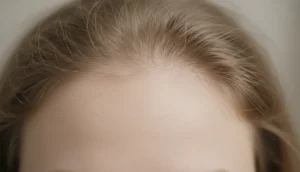
Women experience baldness for a variety of reasons, and each cause may require a distinct approach. The most prevalent factor is female pattern baldness, also known as androgenetic alopecia. This hereditary condition typically manifests as diffuse thinning over the crown and a widening part.
- Hormonal fluctuations: Changes during pregnancy, postpartum, menopause, or thyroid disorders can disrupt the hair growth cycle.
- Nutritional deficiencies: Insufficient iron, vitamin D, zinc, or protein can weaken hair shafts and accelerate shedding.
- Stress and trauma: Physical or emotional stress can trigger telogen effluvium, causing temporary but noticeable hair loss.
- Medical conditions: Autoimmune diseases such as alopecia areata, scalp infections, and polycystic ovary syndrome (PCOS) can lead to patchy or diffuse baldness.
- Medications: Certain drugs—including chemotherapy agents, anticoagulants, and hormonal contraceptives—may have hair loss as a side effect.
Understanding which of these factors applies to you is essential for selecting the most effective hair loss treatment. A comprehensive evaluation by a qualified specialist can pinpoint the primary contributors to your women bald condition.
Diagnosing Hair Loss in Women

Accurate diagnosis is the cornerstone of successful treatment for women bald. A thorough assessment typically includes a medical history review, physical scalp examination, and targeted laboratory tests.
Clinical Evaluation
The clinician will assess the pattern of hair loss, density, and any accompanying skin changes. Tools such as a trichoscope provide magnified views of hair follicles, helping differentiate between scarring and non‑scarring alopecia.
Laboratory Tests
Blood work may reveal underlying hormonal imbalances, iron deficiency, or thyroid dysfunction. Common tests include:
- Complete blood count (CBC)
- Serum ferritin and iron levels
- Thyroid‑stimulating hormone (TSH)
- Androgen panel (testosterone, DHEA‑S)
Scalp Biopsy (When Needed)
In ambiguous cases, a small scalp biopsy can clarify the diagnosis, especially for conditions like lichen planopilaris or chronic telogen effluvium.
| Diagnostic Tool | Purpose | Typical Findings in Women Bald |
|---|---|---|
| Trichoscopy | Visualize follicle health | Miniaturized hairs, perifollicular discoloration |
| Blood Tests | Identify systemic causes | Low ferritin, abnormal TSH |
| Scalp Biopsy | Confirm inflammatory or scarring alopecia | Follicular destruction, perifollicular fibrosis |
By combining clinical insight with laboratory data, specialists can tailor a treatment plan that directly addresses the root cause of women bald, rather than merely masking the symptoms.
Medical and Non‑Surgical Treatment Options
Once the cause of women bald is identified, a variety of therapeutic pathways become available. Treatment selection depends on severity, underlying condition, and personal preferences.
Topical and Oral Medications
First‑line options often include:
- Minoxidil (2% or 5%): The only FDA‑approved topical solution for female pattern hair loss, promoting follicular enlargement.
- Finasteride or Dutasteride (off‑label): Oral anti‑androgens that may benefit women with elevated DHT levels, typically prescribed under specialist supervision.
- Spironolactone: An anti‑androgenic diuretic effective for hormonal‑related thinning, especially in PCOS.
Platelet‑Rich Plasma (PRP) Therapy
PRP involves injecting concentrated platelets from the patient’s own blood into the scalp, delivering growth factors that stimulate hair follicles. Multiple sessions are usually required, and results can be noticeable within 3–6 months.
Low‑Level Laser Therapy (LLLT)
LLLT devices, such as laser combs or caps, emit red light that enhances cellular metabolism in hair follicles. Clinical trials show modest improvements in hair density for women experiencing diffuse thinning.
Hair Replacement Systems
For immediate cosmetic improvement, high‑quality wigs, hairpieces, or integrated hair systems can conceal bald areas without medical intervention. Modern options offer natural look and comfort.
When to Consider Hair Transplant
For stable, permanent hair loss where medical therapies provide limited benefit, a hair transplant may be the definitive solution. Techniques such as Follicular Unit Extraction (FUE) and Direct Hair Implantation (DHI) have been refined for female scalp anatomy, delivering natural‑looking results.
Overall, a multi‑modal approach—combining medication, PRP, lifestyle changes, and, if appropriate, surgical restoration—offers the best chance to reverse women bald and sustain long‑term hair health.
Lifestyle Strategies to Support Hair Regrowth
Beyond medical interventions, everyday habits play a crucial role in mitigating women bald and fostering a healthy scalp environment.
Nutrition and Supplements
Consume a balanced diet rich in:
- Protein (lean meats, legumes, nuts)
- Omega‑3 fatty acids (salmon, flaxseed)
- Vitamins A, C, E, and Biotin
- Minerals such as iron, zinc, and selenium
Targeted supplements—like iron tablets for low ferritin or biotin capsules—can fill gaps, but should be taken under professional guidance.
Scalp Care Routine
A gentle, sulfate‑free shampoo and occasional scalp massage improve blood circulation and reduce inflammation. Avoid tight hairstyles that cause traction alopecia, and limit heat styling to prevent shaft damage.
Stress Management
Chronic stress elevates cortisol, which can push hair follicles into the resting phase. Practices such as yoga, meditation, and regular exercise have been shown to lower stress hormones and support hair growth cycles.
Environmental Protection
UV radiation and pollution can weaken hair fibers. Wearing a hat or using hair products with UV filters during prolonged sun exposure helps preserve hair integrity.
Integrating these lifestyle adjustments creates a supportive foundation for any medical or surgical treatment, enhancing overall outcomes for women bald.
When to Consider Hair Transplant for Women
Hair transplant is not a first‑line solution for every case of women bald, but it becomes a compelling option when certain criteria are met.
- Stable Hair Loss: The pattern has been consistent for at least 12 months, indicating that the condition is unlikely to progress rapidly.
- Insufficient Response to Medication: Minoxidil, hormonal therapy, or PRP have not produced satisfactory density improvements.
- Good Donor Area: Adequate healthy follicles are available in the occipital (back) region to be harvested.
- Realistic Expectations: Understanding that transplant results are permanent for the transplanted hairs, but future loss may still occur in untouched areas.
Choosing the Right Technique
For women, the FUE method is often preferred because it leaves minimal scarring and allows precise placement of grafts to mimic natural hair direction. The newer DHI technique offers even greater control over angle and depth, which is beneficial for creating a soft, feminine hairline.
Recovery and Aftercare
Post‑procedure care includes gentle washing after 48 hours, avoiding direct sunlight for a week, and following a prescribed medication regimen to support graft survival. Most patients resume normal activities within a few days, with visible hair growth emerging after 3–4 months.
When performed by experienced surgeons, hair transplant can provide a lasting solution for women bald, restoring both volume and confidence.
Why Choose Gold City Hair for Female Hair Restoration
Gold City Hair has been a trusted leader in hair restoration since 2017, offering personalized care for women experiencing baldness. Our clinic specializes in advanced FUE and DHI techniques, tailored to the unique anatomy of the female scalp. With a focus on transparent communication, we guide each patient through a comprehensive diagnostic process, ensuring the chosen treatment aligns with individual goals and medical needs. Our experienced team combines surgical precision with compassionate support, helping women regain natural‑looking hair and renewed self‑confidence.
Ready to take the next step toward a fuller head of hair? Contact Gold City Hair today to schedule your personalized consultation and discover the most effective solution for your women bald concerns.
FAQ
What are the most common causes of hair loss in women?
The main causes include female pattern baldness, hormonal changes, nutritional deficiencies, stress, medical conditions, and certain medications.
How is female pattern baldness diagnosed?
Diagnosis combines clinical evaluation, trichoscopy, blood tests, and sometimes a scalp biopsy.
What medical treatments are available for women experiencing baldness?
Options include topical minoxidil, oral anti‑androgens, spironolactone, PRP therapy, and low‑level laser therapy.
Can lifestyle changes help reverse hair thinning in women?
Yes, balanced nutrition, scalp care, stress management, and UV protection support hair regrowth.
When is a hair transplant recommended for women?
When hair loss is stable for at least a year, medications haven’t worked, and there’s a good donor area.
What is PRP therapy and how effective is it for female hair loss?
PRP therapy injects a patient’s concentrated platelets into the scalp to stimulate growth, showing noticeable results in 3–6 months.