Experiencing hair thinning in your early twenties can be upsetting. But, it’s more common than you might think. About 16 to 20 percent of men aged 18 to 29 face moderate to extensive hair loss. This can really affect your confidence and how you feel about yourself.
Noticed balding at 23? Follow these 5 crucial tips for success to reverse thinning and protect your hair for years to come with ease.
Understanding why it happens and finding good treatments can help you feel better. Early action is important to manage hair loss well. Things that can cause hair loss include your genes, stress, and not getting enough nutrients.
At gold city hair, we offer top-notch dermatological care. We use proven treatments to help you with your hair loss. You should regain your confidence and reach your hair restoration goals.
Önemli Çıkarımlar
Hair thinning at a young age is more common than you think.
Genetic and hereditary factors contribute significantly to hair loss.
Early intervention is key for effective hair loss management.
Stress and nutritional deficiencies can make hair loss worse.
Evidence-based treatments can help restore your hair and confidence.
Understanding Balding at 23: How Common Is It?
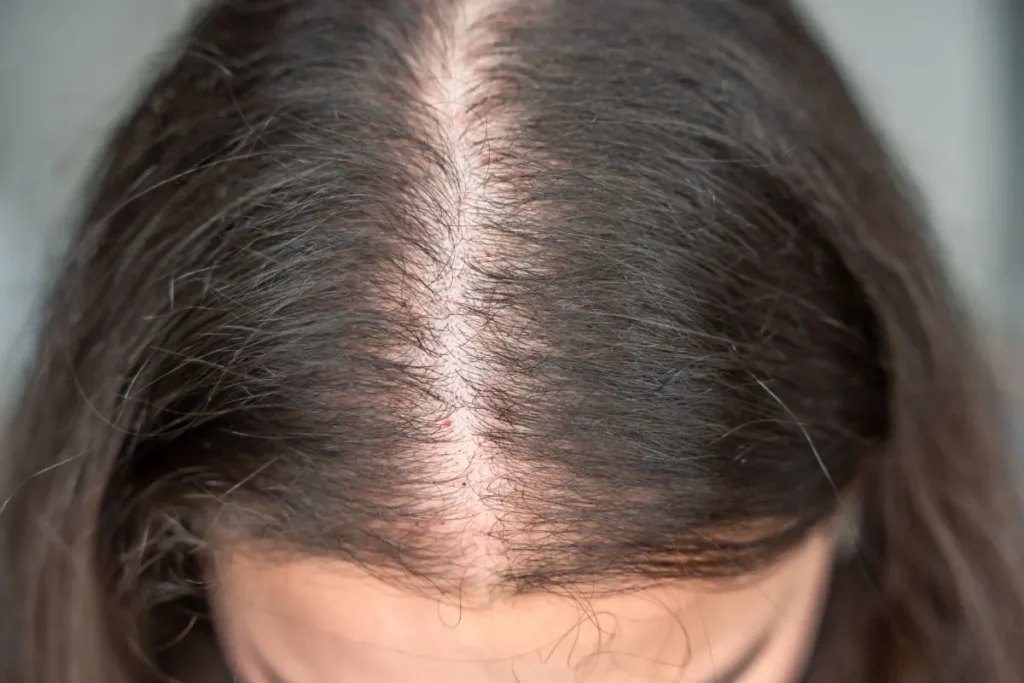
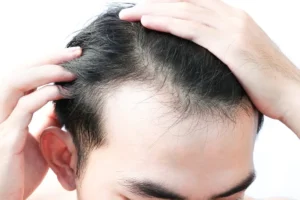
Balding at 23 can be upsetting, but knowing how common it is helps. Male pattern baldness, or androgenetic alopecia, is a genetic condition. It can start in teens or twenties.
Statistics on Early Hair Loss in Young Men
Statistics on Early Hair Loss in Young Men
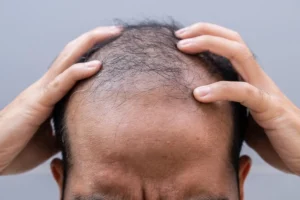
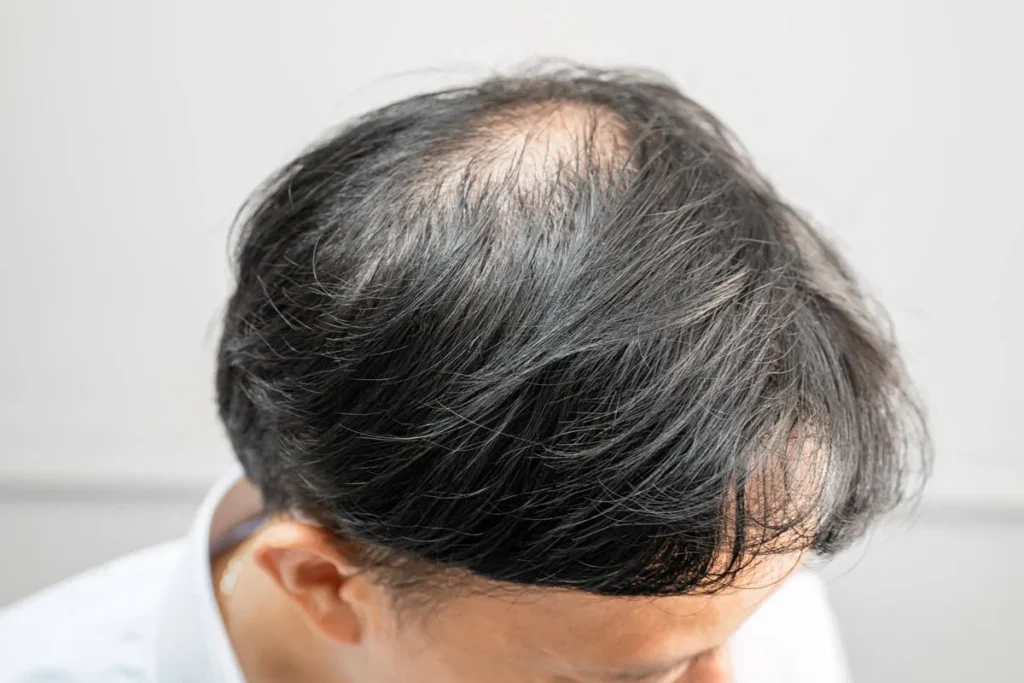
Many young men in their early twenties lose their hair. Studies show that about 95 percent of male hair loss is due to male pattern baldness. It often starts with a receding hairline or thinning at the crown.
Recognizing the Signs of Early Hair Thinning
It’s important to spot early hair thinning signs. Look out for a receding hairline, thinning at the crown, or a lot of hair falling out. Knowing these signs can help young men get help early.
Spotting balding early and understanding its causes can help take control. By recognizing balding at 23, young men can find treatments. This can help them feel more confident again.
What Causes Hair Loss in Your Early 20s?
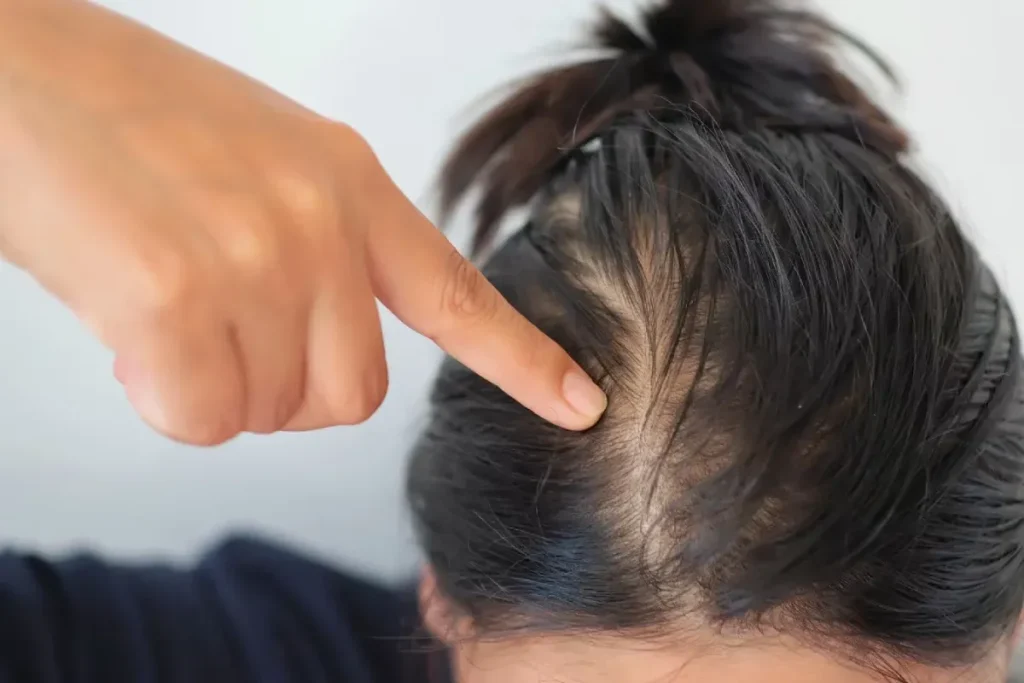
Hair loss in young adulthood comes from genetics, hormones, and the environment. Knowing these causes helps find the best treatment.
Male Pattern Baldness and Genetics
Male pattern baldness, or androgenetic alopecia, is common in young men. It’s mainly due to genetics and sensitivity to DHT, a testosterone byproduct. Genetic predisposition plays a significant role, so if your dad or granddad lost hair, you might too.
Inherited traits from parents can affect when and how severe baldness is. This condition shows as a receding hairline and thinning at the crown.
Hormonal Factors: The Role of DHT
Hormonal imbalances, like testosterone turning into DHT, are key in androgenetic alopecia. DHT makes hair follicles shrink, causing thinner, shorter hairs and hair loss. Knowing about DHT is key to treating hair thinning.
Controlling hormonal factors through medicine can lessen DHT’s impact on hair follicles.
Lifestyle and Environmental Triggers
Genetics and hormones are big factors in hair loss, but lifestyle and environment play a part too. Stress, bad diet, smoking, and some health issues can make hair loss worse. A healthy lifestyle, including a good diet and stress control, is key for hair health.
Eat foods rich in vitamins and minerals, like biotin and vitamin D, for hair growth.
Stay away from too much heat styling and harsh chemicals.
Use stress-reducing activities like meditation or yoga.
By changing your lifestyle, you can slow down or stop hair loss.
Effective Treatments for Balding at 23
Losing hair at 23 can be upsetting. But knowing the treatment options can help. Early action is important to manage balding well.
FDA-Approved Medications: Minoxidil and Finasteride
For balding at 23, FDA-approved meds are often the first choice. Minoxidil and Finasteride are well-known for treating androgenetic alopecia.
Minoxidil: Applied topically, minoxidil boosts hair growth and slows loss.
Finasteride: Taken orally, finasteride blocks DHT, a hormone that causes hair loss.
Studies show Minoxidil helps hair grow and Finasteride slows loss.
Natural Remedies and Supplements
Along with FDA meds, natural remedies and supplements can help hair grow. These include:
Essential oils (e.g., rosemary, peppermint)
Scalp massages
Dietary supplements (e.g., biotin, vitamin D)
These remedies’ effectiveness can differ. But they’re often used with medical treatments to boost results.
When to Consider Hair Restoration Procedures
For serious hair loss, hair restoration might be needed. This involves moving healthy hair follicles to bald spots.
Seeing a healthcare pro is key to finding the right treatment. They can guide whether meds, natural remedies, or procedures are best for you.
Conclusion: Living Confidently With Hair Loss
Experiencing hair loss at 23 can be unsettling, but you’re not alone. Many men start balding in their early twenties. Today, healthcare offers many solutions to this concern. At what age do you start balding? While many men start going bald in their late twenties or early thirties, some may lose hair earlier.
Hen do you start balding? The start of balding varies by person. It’s influenced by genetics, hormonal imbalances, and lifestyle. Talking to a healthcare professional can help find the cause and the right treatment. There are many options, from FDA-approved medications like Minoxidil and Finasteride to natural remedies and hair restoration procedures.
By taking proactive steps and exploring effective treatments, you can live confidently with hair loss. Find the right approach and treatment to regain your confidence. With a trusted healthcare partner, you can get a fuller head of hair. This ensures a lifetime of confidence and self-esteem.
SSS
What is the primary cause of hair loss in young men?
The main cause is androgenetic alopecia (male pattern baldness), which is driven by genetics and hormonal factors.
How common is balding at 23?
It’s relatively common; studies show that around 25–30% of men show signs of hair thinning by their early 20s.
What are the signs of early hair thinning?
Early signs include a receding hairline, widening hair part, thinning at the crown, excessive shedding, and reduced hair density.
Can lifestyle and environmental triggers accelerate hair loss?
Yes, factors like stress, poor diet, smoking, pollution, and harsh hair care practices can worsen or accelerate hair loss.
What are the effective treatments for balding at 23?
Effective options include topical minoxidil, oral finasteride (for men), PRP therapy, low-level laser therapy, and in advanced cases, hair transplant surgery.
At what age do men typically start balding?
Male pattern baldness can begin in the late teens to early 20s, but the progression and onset vary based on genetics.
Can hair loss be reversed or slowed down?
Yes, early intervention with medications, proper scalp care, nutrition, and lifestyle adjustments can slow progression and sometimes promote regrowth.
What is the role of genetics in hair loss?
Genetics largely determines when hair loss starts, how fast it progresses, and the pattern of baldness, making it the primary risk factor.
How does DHT sensitivity contribute to hair loss?
Hair follicles sensitive to dihydrotestosterone (DHT) shrink over time, causing miniaturization, thinning, and eventual hair loss, which is the hallmark of male pattern baldness.
Referanslar
Ulusal Biyoteknoloji Bilgi Merkezi. Kanıta Dayalı Tıbbi Öngörü. Erişim adresi https://pubmed.ncbi.nlm.nih.gov/24566563/