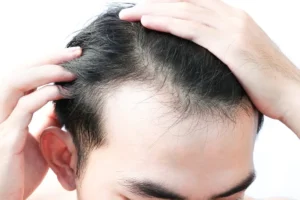
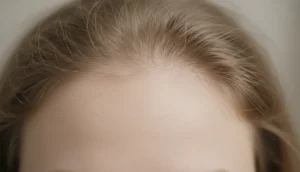
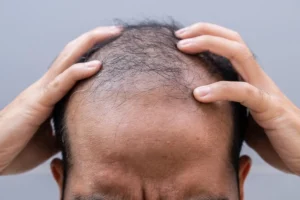
Alopecia telogen effluvium is a common type of hair loss that occurs when a larger than normal number of hairs enter the resting telogen phase and shed simultaneously. Understanding why this happens, how to recognize it early, and what treatment options exist can help you regain confidence and protect your hair health. In fact, up to 30% of people experiencing sudden hair shedding report a stressful event or hormonal shift as the trigger.
This article explains the biology behind telogen effluvium, explores the most frequent causes—including stress, illness, and medication—and outlines practical steps you can take to stop further loss. We also compare medical and natural remedies, so you can decide which approach fits your lifestyle and goals.
Whether you notice a diffuse thinning on the scalp, increased hair shedding in the shower, or simply wonder if stress is to blame, the information below will give you a clear roadmap to diagnosis and recovery.
What Is Telogen Effluvium Alopecia?
Telogen effluvium is a form of alopecia that disrupts the normal hair growth cycle. Under typical conditions, about 85% of hairs are in the anagen (growth) phase, 10% in catagen (transition), and 5% in telogen (rest). When a trigger pushes a larger proportion of follicles into telogen, the result is noticeable shedding about two to three months later.
Key points to understand:
- Telogen phase lasts roughly 2–3 months, after which hairs are shed and new anagen hairs emerge.
- The condition is usually diffuse, meaning the thinning appears across the entire scalp rather than in distinct patches.
- It is often reversible once the underlying cause is addressed.
Below is a simple comparison of telogen effluvium with other common hair‑loss types:
| Feature | Telogen Effluvium | Androgenetik Alopesi | Alopesi Areata |
|---|---|---|---|
| Pattern | Diffuse shedding | Patterned thinning (frontal, crown) | Patchy bald spots |
| Onset | 2‑3 months after trigger | Gradual over years | Sudden patches |
| Typical Cause | Stress, illness, medication | Genetics, hormones | Autoimmune |
Common Triggers and How Stress Impacts Hair Shedding
Stress is one of the most frequently cited reasons for telogen effluvium. When the body experiences physical or emotional strain, it releases cortisol and other hormones that can push hair follicles prematurely into the telogen phase. This phenomenon answers the common question, “does stress cause hair loss?” with a clear yes.
Other notable triggers include:
- Severe illness or surgery (e.g., high fever, major operations).
- Hormonal changes such as postpartum shifts or thyroid disorders.
- Medications like anticoagulants, retinoids, and certain antidepressants.
- Extreme weight loss or restrictive diets.
- Environmental factors such as exposure to toxins.
Understanding the timeline is essential. For most people, hair shedding peaks 2–3 months after the stressful event and gradually improves over 6–12 months if the trigger is removed. However, chronic stress can lead to chronic telogen effluvium, where shedding persists for longer periods.
Below is a quick reference for recognizing stress‑related hair loss:
- Sudden increase in daily hair loss (more than 100 hairs per day).
- Uniform thinning across the scalp rather than a receding hairline.
- Recent life events: job loss, bereavement, intense physical training.
- Accompanying symptoms: fatigue, insomnia, mood changes.
Recognizing Symptoms and When to Seek Professional Help
Identifying telogen effluvium early can prevent unnecessary anxiety and allow for timely intervention. Typical symptoms include:
- Increased hair shedding during washing, brushing, or on the pillow.
- Noticeable thinning without distinct bald patches.
- Hair loss that seems out of proportion to normal shedding.
- Absence of inflammation, redness, or scarring on the scalp.
If you experience these signs for more than three months, or if shedding exceeds 100 hairs per day, it is advisable to consult a dermatologist or a hair‑restoration specialist. Professionals may perform a pull test, blood work to rule out thyroid or iron deficiencies, and a detailed medical history to pinpoint the cause.
Self‑assessment tools can be useful, but they cannot replace a clinical evaluation. Early diagnosis is especially important when telogen effluvium coexists with other forms of alopecia, such as androgenetic alopecia, because treatment strategies differ.
Key questions to discuss with your doctor:
- What recent events could have triggered the shedding?
- Are there any underlying medical conditions?
- Which laboratory tests are recommended?
- What treatment plan best matches my situation?
Treatment Options: From Lifestyle Changes to Medical Interventions
Because telogen effluvium is often reversible, the first line of treatment focuses on eliminating the trigger and supporting natural regrowth. Below are the most effective strategies:
1. Address the Underlying Cause
Whether it is stress, a medication, or a hormonal imbalance, removing the root factor is essential. This may involve adjusting prescriptions, improving nutrition, or seeking stress‑management techniques such as mindfulness or therapy.
2. Nutritional Support
Ensuring adequate intake of iron, zinc, biotin, and vitamin D can accelerate recovery. A balanced diet rich in lean proteins, leafy greens, and omega‑3 fatty acids promotes healthy hair follicles.
3. Topical and Oral Therapies
- Minoxidil (5% solution) can stimulate anagen growth and is often recommended for persistent cases.
- Low‑dose oral finasteride may be considered for men with combined androgenetic alopecia.
- Supplements containing biotin, silica, ve marine collagen have shown modest benefits.
4. Procedural Interventions
In rare situations where shedding is extensive and prolonged, hair‑transplant techniques such as Follicular Unit Extraction (FUE) or Direct Hair Implantation (DHI) performed by experienced clinics can restore density. These procedures are typically reserved for patients with stable donor areas and after confirming that telogen effluvium has resolved.
Below is a concise treatment checklist:
| Step | Action | Goal |
|---|---|---|
| 1 | Identify trigger | Remove cause |
| 2 | Optimize nutrition | Support follicle health |
| 3 | Consider minoxidil | Accelerate regrowth |
| 4 | Medical review | Rule out chronic conditions |
| 5 | Advanced procedures (if needed) | Restore density |
Preventing Future Episodes and Supporting Hair Regrowth
Once you have navigated an episode of telogen effluvium, adopting long‑term habits can minimize recurrence. Consider the following preventive measures:
- Stress management: Regular exercise, meditation, and adequate sleep reduce cortisol spikes.
- Balanced diet: Maintain sufficient protein and micronutrient intake daily.
- Avoid harsh styling: Limit heat tools, tight hairstyles, and chemical treatments that can traumatize follicles.
- Periodic health checks: Annual blood work for thyroid, iron, and hormonal panels can catch imbalances early.
For those looking to accelerate hair regrowth, low‑level laser therapy (LLLT) and platelet‑rich plasma (PRP) injections have emerging evidence of benefit. While not a cure, they can improve scalp circulation and stimulate dormant follicles.
Remember that patience is key; most people see noticeable improvement within 6–12 months after addressing the trigger. Consistency in care, combined with professional guidance when needed, leads to the best outcomes.
Why Choose Gold City Hair
Gold City Hair has been delivering personalized hair‑restoration solutions since 2017. Our clinic in Turkey specializes in advanced techniques such as FUE, DHI, and eyebrow or beard transplants, ensuring natural‑looking results. We prioritize transparent communication, thorough medical evaluation, and a comfortable patient experience. Whether you are dealing with telogen effluvium or seeking permanent restoration, our expert team provides the expertise and support you need to regain confidence.
Ready to take control of your hair health? Contact Gold City Hair today for a personalized consultation and discover the most effective path to recovery.
Start your journey to fuller, healthier hair—schedule your appointment now.
SSS
What is telogen effluvium alopecia?
Telogen effluvium alopecia is a diffuse hair‑loss condition where many follicles enter the resting telogen phase simultaneously, causing noticeable shedding.
How does stress cause hair loss in telogen effluvium?
Stress raises cortisol and other hormones that can prematurely push hair follicles into the telogen phase, leading to increased shedding.
What are the common triggers for telogen effluvium?
Typical triggers include severe illness or surgery, hormonal changes, certain medications, extreme dieting, and environmental toxins.
When should I see a doctor for hair shedding?
If shedding exceeds 100 hairs per day, lasts longer than three months, or is accompanied by other scalp symptoms, seek professional evaluation.
What treatment options are available for telogen effluvium?
Treatment focuses on removing the trigger, optimizing nutrition, and using topical or oral therapies like minoxidil; severe cases may consider hair‑transplant procedures.
Can nutritional supplements help with telogen effluvium?
Yes, adequate intake of iron, zinc, biotin, and vitamin D can accelerate recovery and support healthy hair follicles.
Is hair transplantation suitable for telogen effluvium patients?
Hair transplantation is generally reserved for patients whose telogen effluvium has resolved and who have stable donor areas.