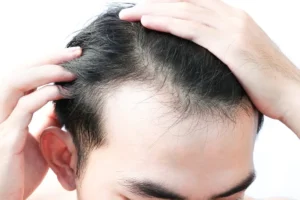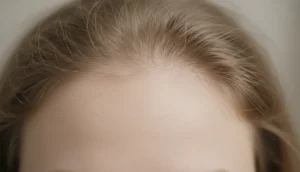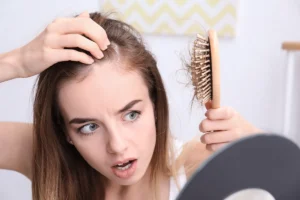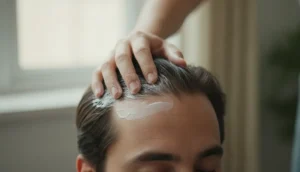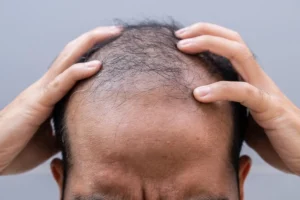
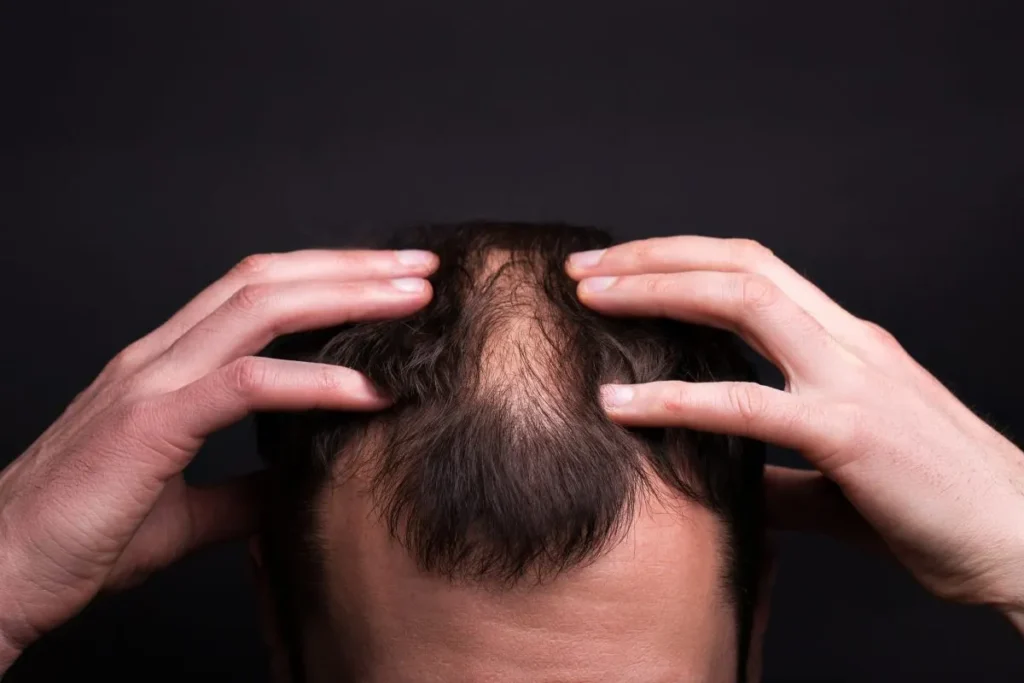
Menopause brings big changes in hormones, and hair loss is a big worry for many women. When estrogen levels fall, hair can become thinner and change texture. It’s important to know how low estrogen and hair loss are connected to find good solutions.
Find the best vitamins for hair loss menopause relief. Learn how to balance hormones and nourish your hair during this transition naturally.
During menopause, less estrogen means hair follicles don’t get the signals they need. This leads to hair that’s thinner and shorter. This problem, known as hair loss due to menopause, is common among women. But, with the right treatment, you can feel confident about your looks again.
Önemli Çıkarımlar
Low estrogen levels during menopause can cause significant hair loss.
Hair follicles lose growth signals due to declining estrogen.
Understanding the hormonal connection is key to addressing hair loss.
Effective treatments can help regain confidence in one’s appearance.
Personalized care and modern techniques can lead to successful outcomes.
The Relationship Between Estrogen and Hair Health
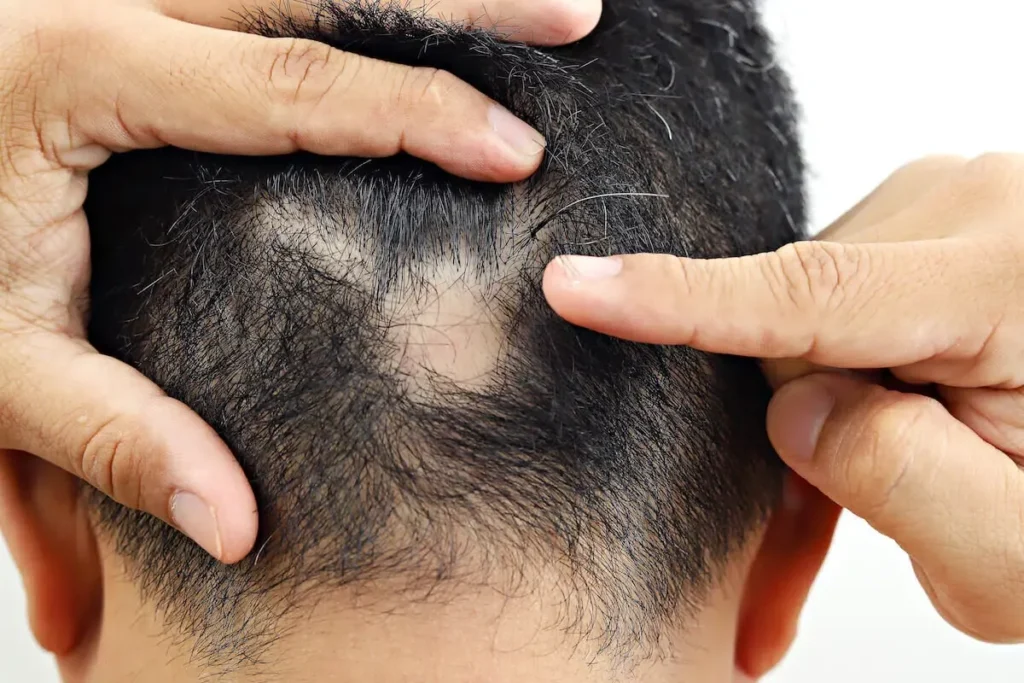
Estrogen plays a big role in hair growth. It affects both the growth cycle and the health of hair follicles. During the reproductive years, estrogen helps to maintain a longer anagen phase, the active growth phase of hair growth, leading to thicker, healthier hair.
How Estrogen Normally Supports Hair Growth
Estrogen promotes hair growth by extending the anagen phase, allowing hair to grow for a longer period before entering the resting phase. This hormonal support is key for maintaining dense, vibrant hair. Also, estrogen influences the expression of genes involved in hair growth, supporting the health of hair follicles.
Statistics on Menopausal Hair Loss
About two-thirds of women experience hair loss during menopause, a condition often linked to the decline in estrogen levels. This shows how common the issue is, making it important to find effective solutions. Studies have shown that the reduction in estrogen during menopause can lead to noticeable hair thinning and loss, affecting women’s self-esteem and quality of life.
Understanding the role of estrogen in hair health is key for addressing menopausal hair loss. By recognizing the impact of hormonal changes on hair growth, women can seek appropriate treatments to mitigate hair loss and restore their hair’s health and vitality.
Mechanisms of Hair Loss When Estrogen Declines
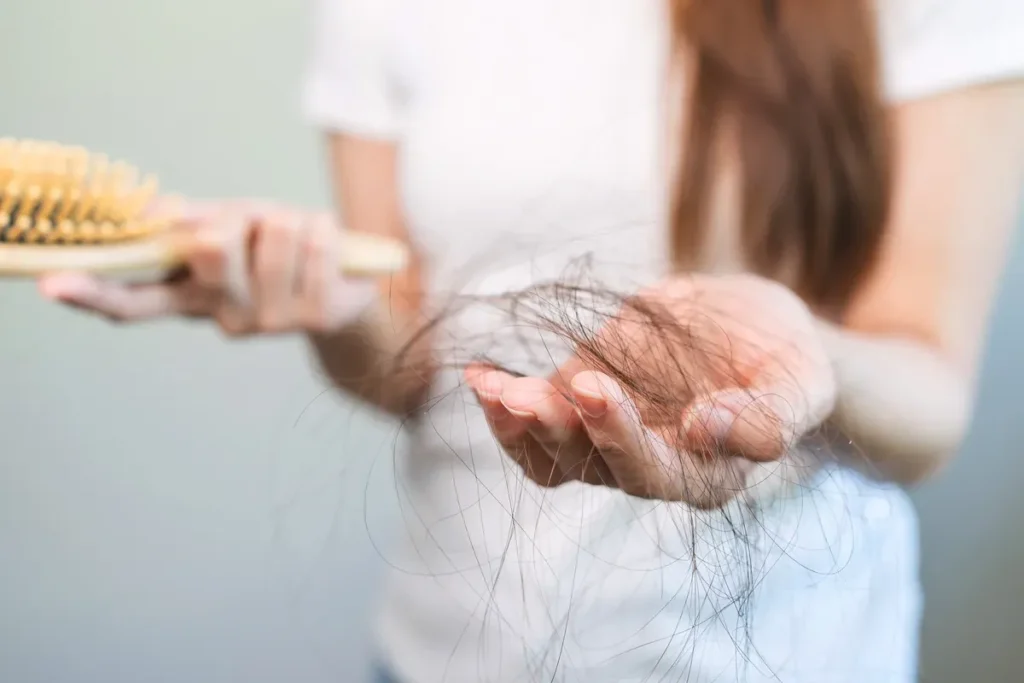
When women reach menopause, their estrogen levels drop. This change leads to hair loss. Knowing how this happens helps us find ways to stop it.
Hormonal Imbalance: Androgen Dominance
Menopause brings a shift in hormones. With less estrogen, androgens (male hormones) grow stronger. This imbalance can cause:
Hair Follicle Miniaturization: Androgens shrink hair follicles, making hairs thinner and shorter.
Increased Hair Shedding: Hair follicles move faster from growth to rest, leading to more shedding.
Reduced Blood Flow to Hair Follicles
Estrogen helps keep blood vessels open. This is key for bringing oxygen and nutrients to hair follicles. With less estrogen, blood flow drops. This weakens hair growth and causes loss.
Decreased Sebum Production and Hair Quality
Estrogen also affects sebum production. Sebum keeps hair moist and healthy. With less estrogen, sebum drops, making hair dry and brittle. This makes hair look thinner and less healthy.
Understanding hair loss in menopause is the first step to feeling better. By fixing hormonal imbalances, improving blood flow, and caring for your hair, you can get healthier, fuller hair. Dream hair is now reality with the right care.
Vitamins for Hair Loss Menopause: Solutions and Management
Women often experience hair loss during menopause due to lower estrogen levels. But, there are ways to manage this issue. These include medical treatments, nutritional support, and scalp care.
Medical Interventions for Hormonal Balance
Medical treatments are key in fighting hair loss during menopause. Hormone Replacement Therapy (HRT) helps balance estrogen and progesterone. This can reduce hair loss. Also, minoxidil and finasteride can help by promoting hair growth and slowing loss.
Minoxidil: Applied topically to stimulate hair growth.
Finasteride: Taken orally to reduce dihydrotestosterone (DHT), a hormone associated with hair loss.
Nutritional Support for Hair Growth
Eating a balanced diet is vital for hair growth. Foods rich in vitamins and minerals are important. Key nutrients include:
Biotin: Found in eggs, nuts, and whole grains, it’s essential for hair growth.
Vitamin D: Important for health, a lack of it can cause hair loss.
Omega-3 fatty acids: These healthy fats are good for the scalp and are in fish, flaxseeds, and walnuts.
Supplements can also help fill any nutritional gaps. This ensures the body gets the right nutrients for healthy hair.
Scalp Care Strategies
Good scalp care is important for healthy hair. Strategies include:
Gentle scalp massages to increase blood flow.
Using mild shampoos and conditioners that fit your hair type.
Avoiding too much heat styling and harsh chemicals.
By using medical treatments, nutritional support, and scalp care, women can manage hair loss during menopause. This helps them regain their confidence.
Sonuç
Menopausal hair loss worries many women, affecting their self-confidence. The drop in estrogen levels is a big factor. It can make hair thinner.
Knowing that low estrogen can cause hair loss is a first step. Women can then look into treatments and diet changes. These can help manage hair loss during menopause.
It’s possible to regain confidence and have healthy hair. By understanding the causes and taking action, women can fight hair loss. This helps them stay confident and have a full head of hair during menopause.
SSS
Does low estrogen cause hair loss during menopause?
Yes, declining estrogen levels during menopause can contribute to hair thinning, as estrogen helps support the hair growth cycle.
Is hair loss a common symptom of menopause?
Yes, many women experience increased shedding or thinning hair during and after menopause.
How does estrogen affect hair growth?
Estrogen helps prolong the growth (anagen) phase of hair, promoting thicker and healthier strands.
What are the available treatments for hair loss during menopause?
Tedaviler şunları içerir topical minoxidil, PRP therapy, low-level laser therapy, and certain oral medications depending on individual needs.
Can nutritional supplements help with hair loss during menopause?
Supplements like biotin, iron, vitamin D, and omega-3 fatty acids may help if a deficiency is present.
How can scalp care strategies help with hair loss during menopause?
Maintaining a clean, well-moisturized scalp, gentle hair care routine, and regular scalp massages can support healthier hair growth.
Is hair loss after menopause permanent?
It can be long-term if related to hormonal changes, but early treatment may slow progression and improve density.
Can hormone replacement therapy (HRT) help with hair loss during menopause?
HRT may help some women by balancing hormone levels, but results vary and it should be discussed with a healthcare provider.
Referanslar
Vitamins For Hair Loss Menopause: Top Fixes
https://pmc.ncbi.nlm.nih.gov/articles/PMC6380979/