
Infected hair follicles and scalp boils are common problems that hurt a lot. They affect millions of people, causing pain and serious issues if not treated. Heal blocked hair glands with these powerful healing tips. Learn how to treat infections and boils under the hair safely and effectively.
Knowing what causes and shows these problems is key to fixing them. By tackling the main issues, people can feel better and avoid lasting harm. At Gold City Hair, we focus on our patients, blending top medical skills with caring service. This way, we make sure our patients get the best care for their needs.
It’s very important to treat infected hair follicles and scalp boils quickly. This helps avoid lasting harm and scars. With the right treatment, people can beat these problems and have a healthier scalp.
Önemli Çıkarımlar
Understanding the causes of infected hair follicles and scalp boils is key to treating them well.
Quick treatment stops long-term damage and scarring.
Our patient-focused approach means caring for you and getting the best results.
Feeling confident again is a big win from effective treatment.
Stopping complications is our main goal in treating these issues.
Understanding Blocked Hair Glands and Scalp Infections
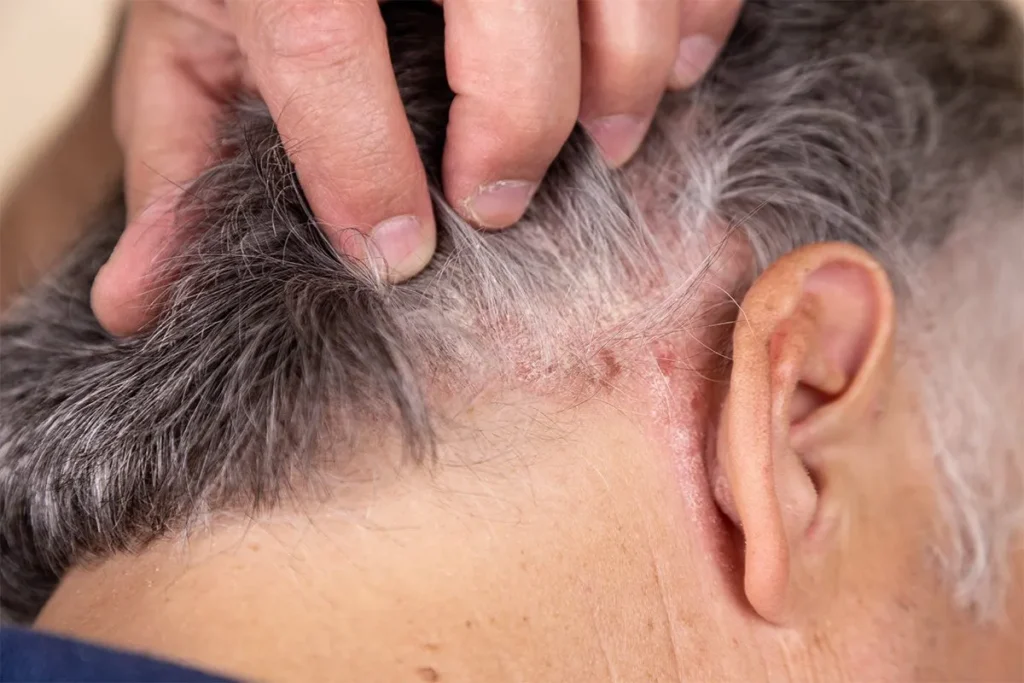
The health of our scalp is closely tied to our hair glands. When these glands get blocked, it can cause infections. Blocked hair glands can lead to mild irritations or severe infections that need medical help.
What Are Folliculitis, Furuncles, and Carbuncles
Folliculitis is an inflammatory condition that happens when hair follicles get infected. This is often due to bacteria or fungi. Folliculitis can range from mild to severe, showing symptoms like redness, itching, and pus-filled bumps on the scalp. Furuncles, or boils, are a more serious form of folliculitis, forming a larger, painful abscess. Carbuncles are a group of furuncles that can cause a bigger infection, needing prompt medical treatment.
These conditions are mainly caused by Staphylococcus aureus bacteria. But, other microorganisms like yeast or mites can also cause them. Knowing the exact cause is key for effective treatment.
Common Causes of Scalp Infections
Scalp infections can come from many things, like poor hygiene or tight clothing. When hair glands get blocked, it’s a perfect place for bacteria and other pathogens to grow. Other factors include:
Excessive sweating
Shaving or waxing
Compromised immune systems
Pre-existing skin conditions
Knowing these causes helps us prevent scalp infections. Keeping our scalp clean and healthy is key to avoiding problems like folliculitis, furuncles, and carbuncles.
Recognizing Symptoms and Possible Complications
It’s important to know the signs of infected hair follicles and scalp boils. This knowledge helps in treating them effectively and avoiding long-term harm. Infected hair follicles, or folliculitis, can show different symptoms, ranging from mild to severe.
Signs of Infected Hair Follicles and Boils
The symptoms of infected hair follicles and boils include:
Clusters of pus-filled or crusty sores
Closed pimples with whiteheads
Inflamed skin around the affected area
Itching or burning sensations on the scalp
Pain or tenderness when touched
Untreated scalp infections can cause permanent hair loss and scarring alopecia. Knowing this can prompt you to act quickly.
Ne Zaman Tıbbi Yardım Alınmalı
If you notice any of these signs, it’s time to see a doctor:
Severe symptoms: Severe infections or high fever require immediate medical help.
No improvement: If home care or over-the-counter treatments don’t work.
Recurring infections: If you keep getting infected hair follicles or boils, it’s a sign of a bigger issue.
Early recognition and medical care can prevent long-term damage. Regaining control over your scalp health is the first step towards confidence and a healthier you.
Effective Treatment Methods for Scalp Infections
Dealing with scalp infections requires a mix of home care and medical interventions. The treatment plan depends on the infection’s cause and how severe it is.
Home Care Approaches
For mild folliculitis, home care can be a good start. Warm compresses help drain pus and lessen swelling. Antifungal shampoos fight fungal infections, while antibiotic ointments tackle bacterial ones.
Keeping your scalp clean is key. Use a gentle shampoo to wash it regularly. Avoid sharing hair care items and wear loose clothes to prevent irritation.
Tıbbi Müdahaleler
If home care doesn’t work or the infection is serious, medical help is needed. For furuncles and carbuncles, oral antibiotics are used to fight the infection inside. For fungal infections, antifungal medications are prescribed.
Seeing a healthcare professional is vital to find the right treatment. They can guide you based on your scalp infection’s type and severity. With proper treatment, you can manage and cure scalp infections, keeping your scalp healthy.
Conclusion: Prevention Strategies for Healthy Scalp
Keeping your scalp healthy is key to avoiding infections and feeling good overall. Simple prevention strategies can lower the chance of blocked hair glands and other scalp issues.
To keep your scalp in top shape, don’t overdo it with oil and stay clean. Also, use clean razors and wear loose clothes to avoid folliculitis. These steps will help you have a healthy scalp and dream hair is now reality.
Getting your confidence back starts with a healthy scalp. By following these tips, you can cut down on scalp infections and keep your scalp healthy. With maximum results and pain-free experience, your scalp is in great care.
SSS
What is the difference between folliculitis, furuncles, and carbuncles?
Folliculitis is mild inflammation of hair follicles, furuncles (boils) are deeper painful infections of one follicle, and carbuncles are clusters of connected boils forming a larger infected area.
Can ingrown hairs cause boils on the scalp?
Yes, ingrown hairs can trap bacteria inside the follicle, leading to infection and boil formation.
What are the symptoms of an infected hair follicle on the scalp?
Symptoms include red or pus-filled bumps, pain, swelling, itching, tenderness, and sometimes fever in severe cases.
How are scalp infections typically treated?
Treatment may include medicated shampoos, topical or oral antibiotics, antifungal medicines, warm compresses, and proper scalp hygiene.
Can scalp infections lead to hair loss?
Yes, severe or untreated infections can damage hair follicles and cause temporary or permanent hair loss.
How can I prevent scalp infections?
Maintain good scalp hygiene, avoid sharing personal items, clean hair tools regularly, avoid tight hairstyles, and manage excessive sweating.
Are scalp furuncles and carbuncles serious conditions?
They can be serious if large, painful, spreading, or accompanied by fever, and may require medical treatment.
Can I treat a boil on my scalp at home?
Small boils may improve with warm compresses and hygiene, but do not squeeze them; seek medical care if worsening.
What is the role of bacteria in causing scalp infections?
Bacteria, especially Staphylococcus species, commonly infect damaged or blocked hair follicles, leading to inflammation and pus formation.
Referanslar
Ulusal Biyoteknoloji Bilgi Merkezi. Kanıta Dayalı Tıbbi Öngörü. Erişim adresi https://pmc.ncbi.nlm.nih.gov/articles/PMC8130991/





