Learn how to stop hair loss from autoimmune disease. Explore powerful medical treatments and natural steps to restore your hair and health.
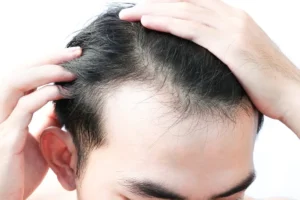
Alopecia areata is an autoimmune disorder that causes hair loss on the scalp, face, and body. It affects over 6 million Americans. The condition happens when the immune system attacks hair follicles by mistake.
This leads to significant physical and psychological effects.
Recently, new treatments have changed how we manage autoimmune hair loss. A microneedle patch, developed by MIT, Brigham and Women’s Hospital, and Harvard Medical School, is a breakthrough. It delivers molecules to restore hair follicles’ immune function. This helps promote hair regrowth.
Learning about these new treatments helps patients take charge of their condition. With the latest in alopecia hair technology, people can find ways to regain their confidence. They can work towards achieving their dream hair.
Önemli Çıkarımlar
Autoimmune hair loss can be treated with innovative technologies like microneedle patches.
Recent breakthroughs offer new hope for individuals affected by alopecia areata.
Understanding the causes and exploring effective treatments is key for managing the condition.
Cutting-edge treatments promote hair regrowth and restore immune privilege in hair follicles.
Evidence-based approaches empower patients to take control of their condition.
Understanding Autoimmune Hair Loss
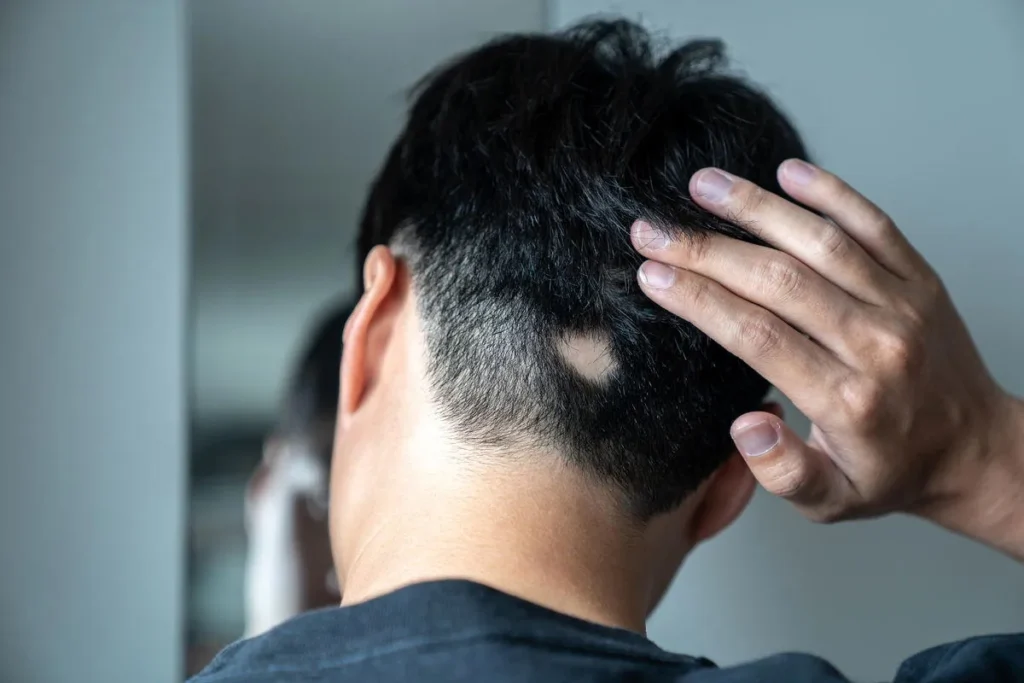
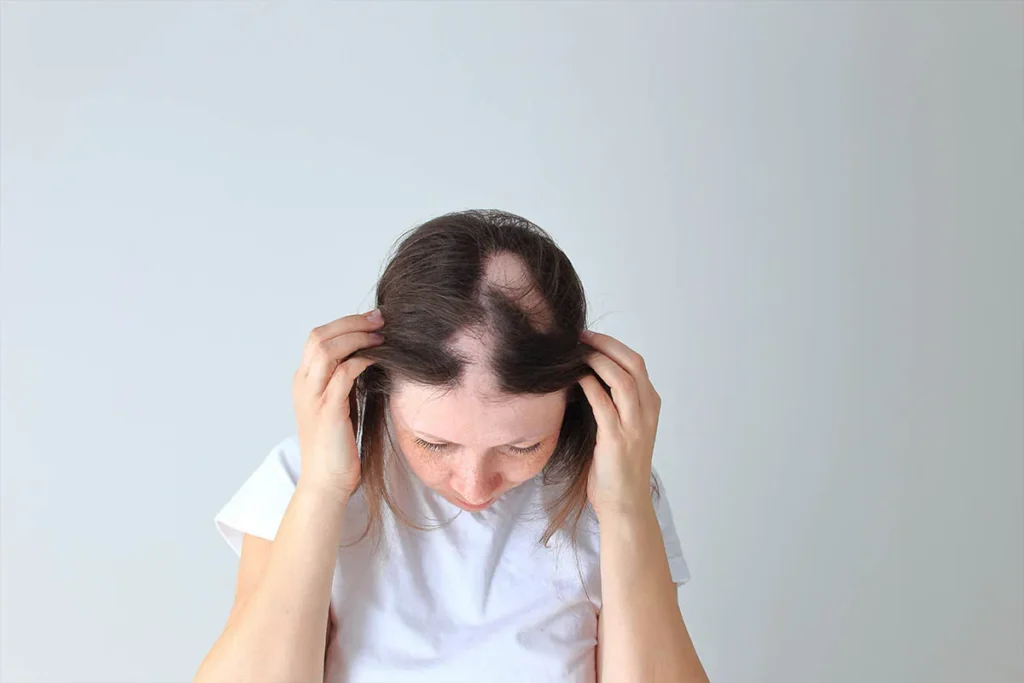
Autoimmune hair loss, like alopecia areata, is a tough challenge. Alopecia areata makes hair fall out in patches. It can happen to anyone, at any age, and often comes with other autoimmune diseases.
What is Alopecia Areata?
Alopecia areata happens when the immune system attacks hair follicles. This causes hair to fall out in patches. It can really hurt a person’s feelings and is often linked with other autoimmune diseases. Knowing about alopecia areata is key to treating it well.
The Impact of Alopecia Areata
The emotional and psychological effects of alopecia areata are huge. It can hurt a person’s self-esteem and confidence. So, it’s important to tackle both the physical and emotional sides of the condition.
The Immune System’s Role in Hair Loss
The immune system’s role in hair loss is complex. It attacks hair follicles, causing physical and emotional harm. Research has led to new treatments.
Recent studies show promise in treatments like the microneedle patch for alopecia areata. This technology tries to fix hair follicles, giving hope to those affected.
Regaining confidence through effective treatment is a big step in managing autoimmune hair loss.
How to Stop Hair Loss From Autoimmune Disease
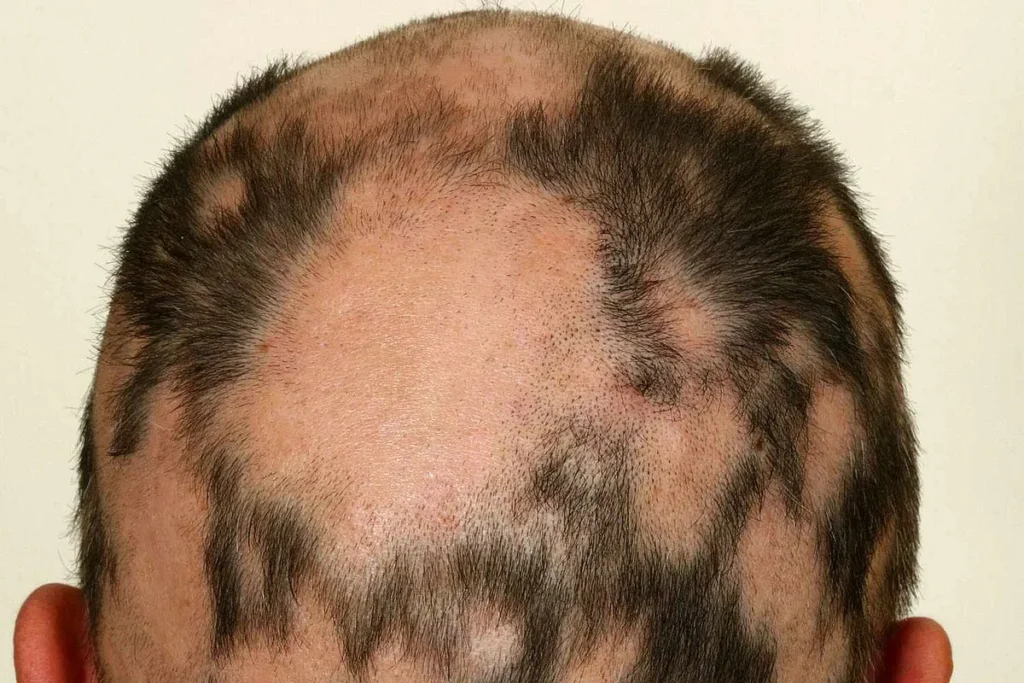
Controlling hair loss from autoimmune diseases requires looking into different treatments. These range from well-known methods to new technologies. People with alopecia areata can now find therapies that help hair grow back and stop the immune system from attacking hair follicles.
Conventional Treatment Approaches
Traditional treatments include corticosteroids and immunotherapy. Corticosteroids, like prednisone, help reduce inflammation and calm the immune system. Immunotherapy works to change how the immune system acts, so it doesn’t attack hair follicles.
Even though these methods work, they have their downsides. For example, using corticosteroids for a long time can cause serious side effects. This makes finding other treatments important.
Revolutionary Microneedle Patch Technology
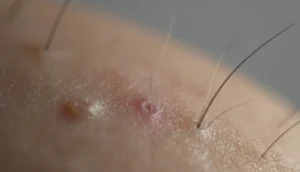
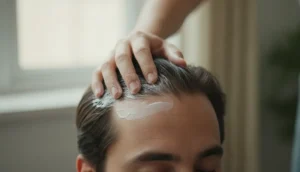
The microneedle patch is a big step forward in treating autoimmune hair loss. It’s a painless, non-invasive patch that sends immune-regulating molecules to the scalp. The microneedles go through the skin, giving targeted treatment to help hair grow back.
The microneedle patch for hair loss is a major breakthrough. It offers a pain-free and effective way to treat alopecia areata. By sending medicine directly to the scalp, it reduces side effects and boosts its effectiveness.
Other Promising Treatment Options
There are also other promising treatments coming up. These include new hair loss treatments 2024 and alopecia areata new treatments that aim to grow hair back and boost confidence.
Keeping up with the latest hair loss news 2024 helps those with autoimmune hair loss make better choices. With ongoing research, there’s hope for more effective and tailored treatments soon.
Conclusion: Managing the Physical and Emotional Impact
Managing alopecia areata means tackling both physical symptoms and emotional effects of hair loss. Understanding the condition and trying effective treatments can help regain confidence. We offer advanced hair restoration solutions that promise lasting results and are affordable.
Our strategy for managing alopecia areata goes beyond medical treatments. It includes lifestyle changes and emotional support. We use personalized care and the latest techniques to help people achieve their dream hair. This way, we empower them to transform their lives.
Now, regaining confidence through hair restoration is possible. Our focus on delivering top results, pain-free experiences, and luxury makes us a trusted guide. We help manage alopecia areata and ensure lasting results.
SSS
What is alopecia areata and how does it affect hair loss?
Alopecia areata is an autoimmune disorder where the immune system attacks hair follicles, causing round bald patches on the scalp or body.
How does the microneedle patch technology work for alopecia areata treatment?
Microneedle patches deliver medication directly into the scalp through tiny dissolvable needles, helping target immune activity and stimulate hair regrowth locally.
What are the conventional treatment approaches for autoimmune hair loss?
Common treatments include corticosteroid injections, topical steroids, topical immunotherapy, minoxidil, and newer oral or topical JAK inhibitors.
Is the microneedle patch technology a painful treatment?
It is generally minimally painful, as the microneedles are very small and designed to reduce discomfort compared to injections.
Can alopecia areata be reversed or cured?
There is no permanent cure, but many people experience regrowth with proper treatment, though relapses can occur.
What are the latest developments in alopecia areata treatment?
Recent advances include JAK inhibitor medications and targeted immune therapies that focus on controlling the autoimmune response.
How can I stop hair loss from autoimmune disease?
Early medical treatment, managing stress, supporting immune health, and regular dermatology follow-ups are important.
Are there any new treatments available for alopecia areata in 2024?
Yes, newer JAK inhibitors and advanced targeted delivery systems are emerging as promising options under medical supervision.
Can I achieve lifetime results with alopecia areata treatment?
Long-term control is possible for some, but since it is an autoimmune condition, ongoing management may be required.
Referanslar
Ulusal Biyoteknoloji Bilgi Merkezi. Kanıta Dayalı Tıbbi Öngörü. Erişim adresi https://pmc.ncbi.nlm.nih.gov/articles/PMC12267644/