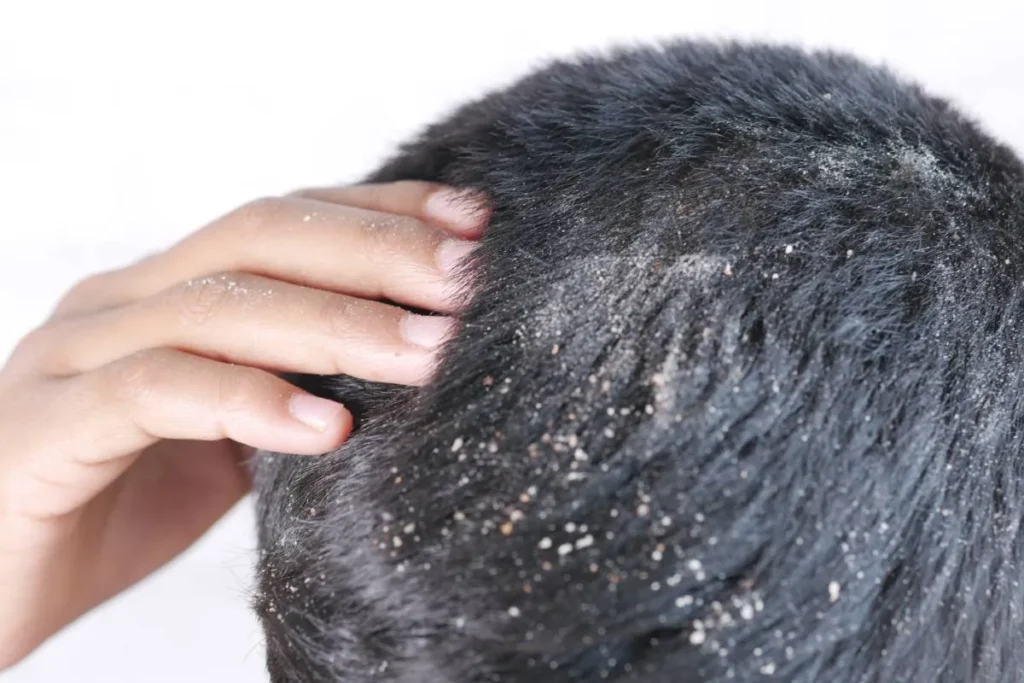
Many think losing hair means no more dandruff. But, the truth is more complicated. Even without hair, the scalp can get dandruff. This is due to the Malassezia globosa fungus and natural oils.
At gold city hair, we know scalp health is key, no matter your hair status. Our team is ready to help. We understand dandruff can hit anyone, and we’re here to help with custom solutions.
Regain your confidence with our help on managing dandruff on a bald head. We’ll look at the causes and treatments to keep your scalp healthy.
Önemli Çıkarımlar
Understanding the causes of dandruff beyond hair presence.
Exploring effective treatments for dandruff on bald heads.
The importance of personalized scalp care.
Expert advice for maintaining a healthy scalp.
Regaining confidence through effective scalp management.
The Truth About Baldness and Dandruff
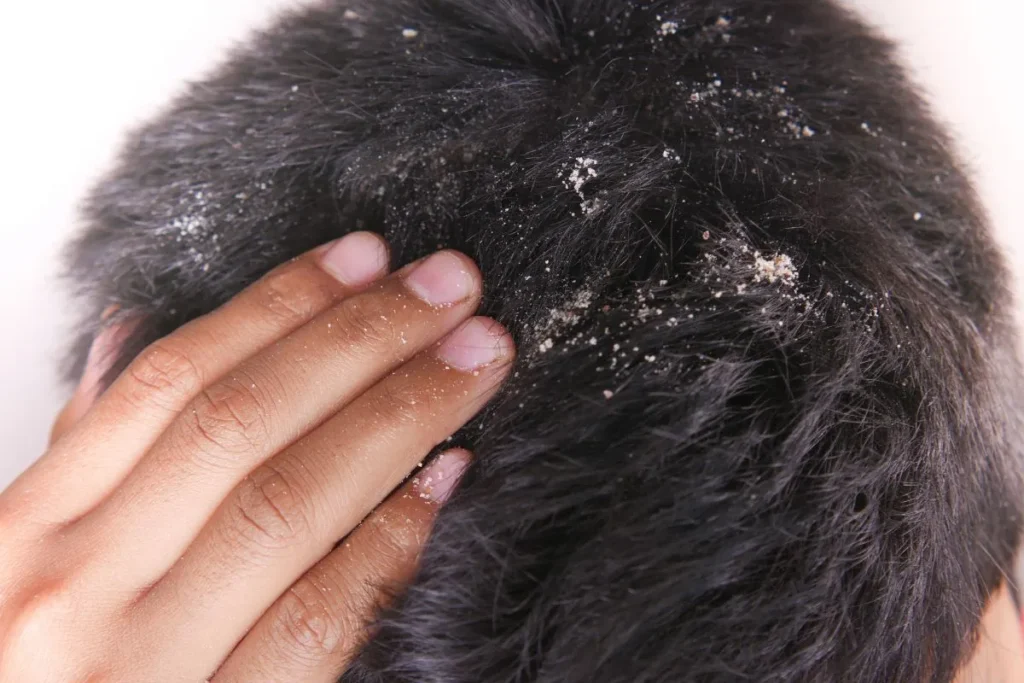
Many think bald people can’t get dandruff. But, this is a myth. Dandruff is a scalp issue, not just a hair problem.
Debunking Common Misconceptions
Some believe dandruff comes from not washing enough. But, dandruff is caused by many things. These include oil, yeast, and skin sensitivity. Bald people can get these too.
Malassezia yeast lives on the scalp. It eats oil and can make skin flake. So, even without hair, bald people can get dandruff.
The Science of Scalp Conditions Without Hair
The scalp’s environment is key to dandruff. Even without hair, it can be oily and flaky. This is because of Malassezia globosa.
Also, stress and hormonal changes can make dandruff worse. These issues affect everyone, not just those with hair. So, bald people should watch their scalp health.
Why Bald People Can Stillexperience Dandruff
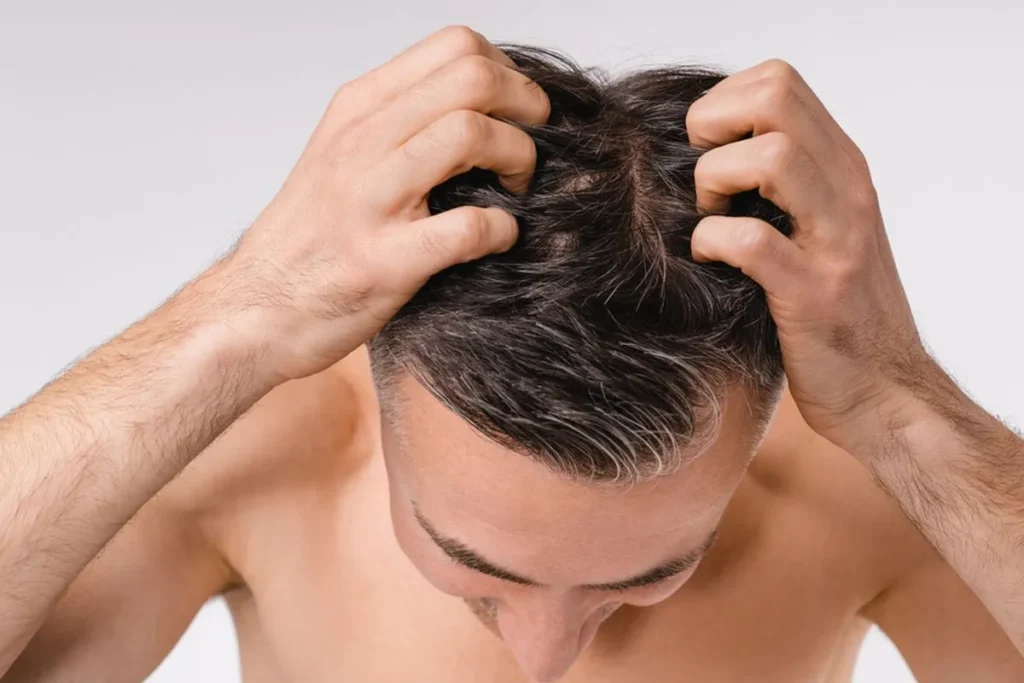
Many think bald people can’t get dandruff. But, the scalp’s health isn’t just about hair. Other things matter too.
The Role of Malassezia Globosa Fungus
The Malassezia globosa fungus is a big reason for dandruff. It eats scalp oils, making oleic acid. This acid can make the scalp flaky and itchy.
Malassezia globosa lives on everyone’s scalp, with or without hair. It’s the main cause of dandruff for both bald and hairy people.
Scalp Environment Differences in Bald Individuals
Bald people face unique scalp challenges. Without hair, their scalp is more open to:
Direct sunlight, which can dry out the scalp
Cold weather, potentially leading to dryness and irritation
Pollution, which can affect scalp health
Hormonal and Stress-Related Triggers
Hormonal changes and stress can cause dandruff. These issues affect everyone, with or without hair. Stress or hormonal shifts can make the scalp oilier, feeding the Malassezia globosa fungus and worsening dandruff.
Knowing these causes is key to fighting dandruff in bald people. By tackling the fungus, environmental factors, and internal triggers, managing dandruff is achievable.
Treating Dandruff on Bald Head: Effective Solutions
Bald people can manage dandruff with the right treatments and scalp care. Dandruff on a bald head is hard to deal with because flakes are visible and can irritate the scalp.
Medicated Products with Zinc Pyrithione and Ketoconazole
Medicated products are key in treating dandruff on a bald head. Zinc pyrithione and ketoconazole are found in anti-dandruff shampoos. They fight the fungus Malassezia globosa that causes dandruff.
Zinc pyrithione fights bacteria, preventing infections and inflammation. Ketoconazole is strong against many fungi, making it great for dandruff treatment.
Proper Cleansing and Moisturizing Techniques
Good scalp hygiene is vital for dandruff management. Washing the scalp with medicated shampoo removes flakes and controls fungus. Moisturizing the scalp prevents dryness and irritation.
Use a gentle, non-comedogenic moisturizer to keep the scalp hydrated without clogging pores. Regularly cleaning and moisturizing can greatly reduce dandruff on a bald head.
Lifestyle Changes to Reduce Flaking
Medicated products and good scalp care are not the only solutions. Making lifestyle changes can also help. Eating more omega-3 fatty acids and less sugar can manage dandruff.
Stress management is also important. Stress can make dandruff worse. Activities like meditation or yoga can help reduce stress and its impact on the scalp.
Sonuç
Many people, even those without hair, wonder if they can get dandruff. The answer is yes, bald people can get dandruff. It’s a scalp condition that can affect anyone, with or without hair.
The Malassezia globosa fungus, hormonal changes, and stress can cause dandruff on bald heads. Knowing these causes helps manage the condition better.
Medicated products with zinc pyrithione and ketoconazole are effective treatments. Also, keeping the scalp clean and moisturized helps reduce flaking. These steps help bald individuals control their scalp health.
Dandruff on bald heads is not uncommon. With the right treatment, it can be managed and reduced. Taking proactive steps leads to a dandruff-free scalp, no matter your hair status.
SSS
Can you get dandruff if you’re bald?
Dandruff is a condition of the skin rather than the hair, so being bald does not exempt you from experiencing it. The scalp continues to produce oils and shed skin cells regardless of whether hair follicles are active, and when the natural balance of the scalp is disrupted, those dead skin cells clump together and become visible as flakes. In many cases, a bald scalp is actually more prone to certain types of irritation because it lacks the natural protection that hair provides against environmental factors like UV rays and cold air.
What causes dandruff on a bald head?
The primary cause of dandruff on a bald head is usually seborrheic dermatitis, which is triggered by an overgrowth of a yeast-like fungus called Malassezia that feeds on the sebum produced by your skin. Other common culprits include extreme skin dryness, which leads to fine white flaking, or a reaction to harsh soaps and grooming products that strip away the skin’s protective barrier. Additionally, since a bald head is frequently exposed to the sun, what looks like dandruff might actually be the skin peeling as it recovers from a mild or chronic sunburn.
How can I treat dandruff on my bald head?
Treating dandruff on a bald scalp is quite effective because topical treatments can reach the skin directly without being blocked by hair. You should use a medicated shampoo containing ingredients like ketoconazole, zinc pyrithione, or salicylic acid, massaging it into the skin and letting it sit for a few minutes before rinsing. Following up with a light, fragrance-free moisturizer or a specialized scalp cream is essential to prevent the skin from drying out and overproducing oil in response to the treatment.
Are there any specific products for dandruff on bald heads?
While traditional medicated shampoos like Nizoral or Head & Shoulders work perfectly well for bald scalps, you can also look for specialized scalp masks and exfoliating scrubs designed for smooth skin. Products containing tea tree oil or aloe vera are particularly beneficial as they provide antifungal properties while soothing any existing inflammation or redness. It is often better to use a gentle facial cleanser instead of a harsh body bar, as the skin on the head is more sensitive than the skin on the rest of the body.
Can stress cause dandruff on a bald head?
Stress is a significant trigger for dandruff because it causes the body to release cortisol, which can increase the production of skin oils and weaken the immune system’s ability to manage the Malassezia fungus. When your body is under stress, the skin’s barrier function becomes compromised, making the scalp more susceptible to irritation and rapid cell turnover. While stress itself doesn’t create the fungus, it creates the perfect environment for a flare-up to occur on your bald scalp.
How can I prevent dandruff on my bald head?
Prevention starts with maintaining a consistent moisture balance by using a high-quality SPF 30+ sunscreen every day to protect against UV-induced peeling and irritation. You should also avoid using extremely hot water when washing your head, as this can dry out the skin and trigger a compensatory oil spike. Regularly using a soft washcloth to gently exfoliate the scalp can help remove dead skin cells before they have a chance to clump together and become noticeable flakes.
Is dandruff on a bald head a sign of poor hygiene?
Dandruff on a bald head is absolutely not a sign of poor hygiene, and it is a common misconception that more scrubbing will solve the problem. In fact, over-cleaning with aggressive soaps can actually worsen the condition by irritating the skin and causing it to flake even more as a defense mechanism. The condition is largely biological, driven by internal factors like hormones, genetics, and the natural microbiome of your skin rather than a lack of cleanliness.
Can I use regular shampoo on my bald head?
You can certainly use regular shampoo on a bald head, and in many cases, it is preferable to using standard bar soap or body wash. Shampoos are formulated to manage the specific pH balance of the scalp and often contain conditioning agents that keep the skin supple. If you have active dandruff, switching to a specialized dandruff shampoo twice a week will help regulate the yeast levels on the skin more effectively than a standard moisturizing shampoo.
How often should I wash my bald head to prevent dandruff?
To prevent dandruff without causing excessive dryness, you should aim to wash your bald head about two to three times a week with a gentle cleanser or shampoo. Daily washing with harsh chemicals can strip away the essential oils that keep the skin healthy, leading to a “rebound” effect where the scalp becomes even oilier and more prone to flaking. On the days you don’t wash with soap, simply rinsing your head with lukewarm water is enough to remove sweat and surface dust without disturbing the skin’s natural moisture barrier.
Referanslar
Ulusal Biyoteknoloji Bilgi Merkezi. Kanıta Dayalı Tıbbi Öngörü. Erişim adresihttps://pmc.ncbi.nlm.nih.gov/articles/PMC2887514/





