
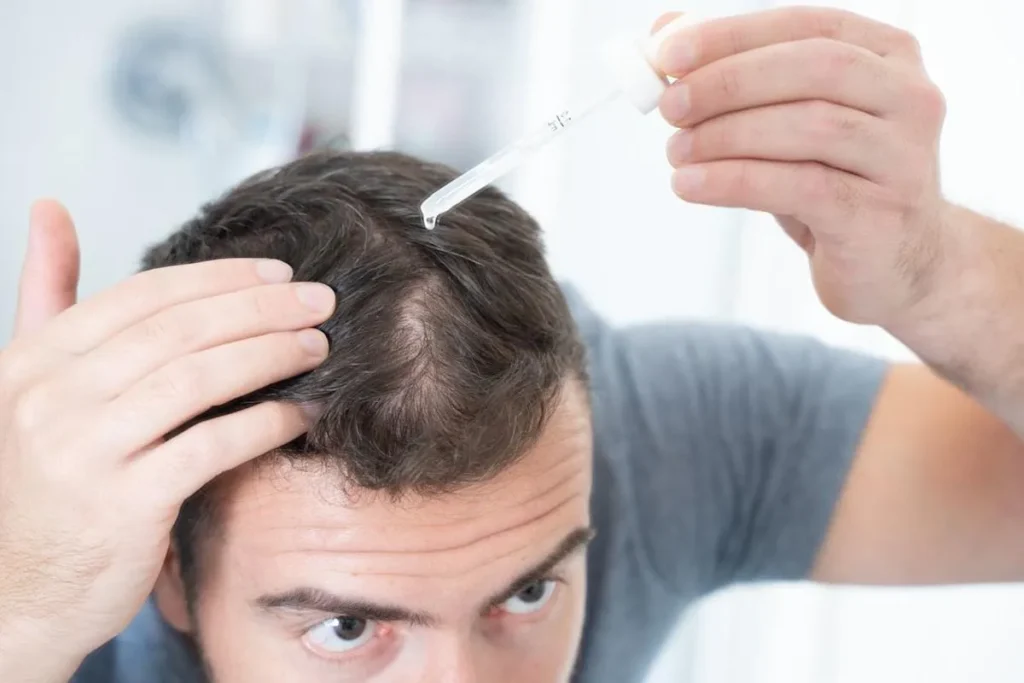
Propecia, with finasteride 1 mg as its active ingredient, is an FDA-approved oral medication. It’s made for men with male pattern baldness. This prescription helps stop hair loss and encourages new hair growth.
Propecia tackles the hormonal reasons behind hair loss. It helps men regain their confidence and achieve the hair they want. At gold city hair, we offer trusted medical advice and care. We help decide if Propecia is the best choice for you.
Önemli Çıkarımlar
Propecia is an FDA-approved medication for treating male pattern baldness.
It contains finasteride 1 mg as its active ingredient.
Propecia works by targeting the hormonal cause of hair loss.
It helps in halting hair loss and promoting hair regrowth.
Propecia is a prescription medication designed for men.
What Is Propecia: Understanding the Hair Loss Medication

Propecia, also known as finasteride, is a medicine for male pattern baldness. It’s a prescription drug used to treat hair loss in men.
Propecia stops the 5-alpha-reductase enzyme from working. This enzyme turns testosterone into dihydrotestosterone (DHT), a hormone that causes hair loss. By lowering DHT levels, Propecia helps hair follicles grow back and stops hair loss.
The Science Behind Propecia and Finasteride
Finasteride, the main ingredient in Propecia, blocks the 5α-reductase enzyme. This blockage cuts DHT production by about 70%. Lowering DHT is key in fighting male pattern baldness, as DHT is a major cause of hair loss.
Key Benefits of Propecia:
Reduces DHT levels by inhibiting the 5-alpha-reductase enzyme
Promotes hair growth and reduces further hair loss
Clinically proven to be effective in treating male pattern baldness
Male Pattern Baldness: Causes and Prevalence
Male pattern baldness, also known as androgenetic alopecia, is common. It’s estimated that up to 80% of men will experience some hair loss by age 80.
The main reason for male pattern baldness is the conversion of testosterone to DHT. This leads to hair follicles shrinking, causing thinner, shorter hairs and eventually hair loss.
Understanding Propecia and male pattern baldness helps make better hair loss treatment choices. Propecia has been shown to be effective in growing hair and stopping hair loss. It’s a good option for men dealing with balding.
How Propecia Works to Combat Hair Loss
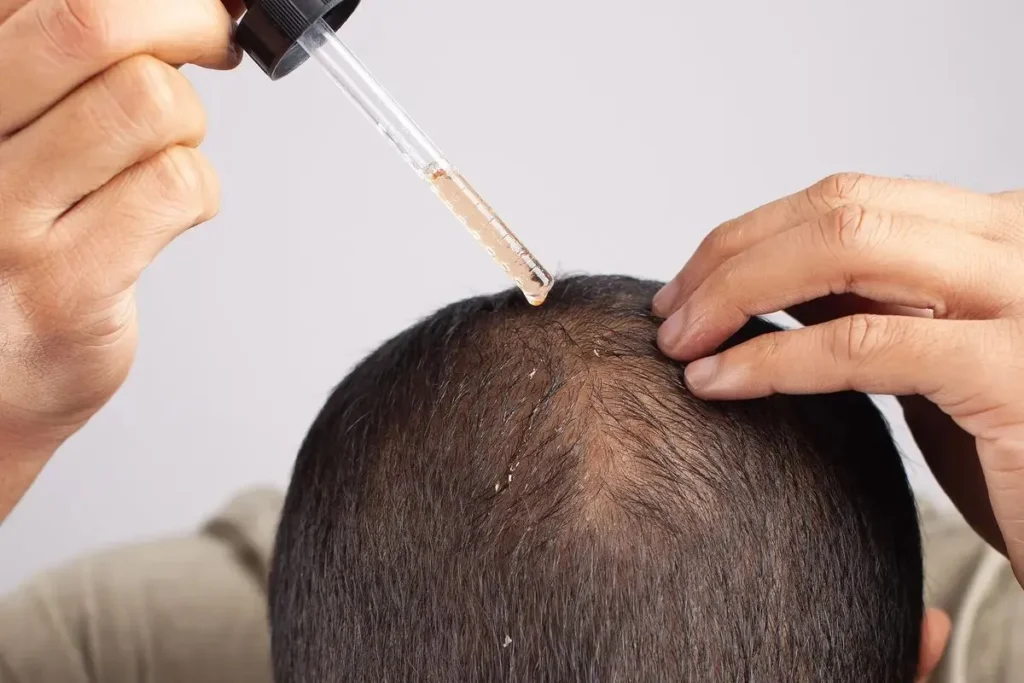
Propecia plays a key role in fighting hair loss. It works by balancing hormones. This is aimed at stopping male pattern baldness in its tracks.
The DHT Connection: Propecia’s Mechanism of Action
Propecia targets dihydrotestosterone (DHT), a hormone that causes hair loss. DHT makes hair follicles shrink, leading to thinner, shorter hairs. Propecia’s finasteride blocks DHT production, slowing hair loss and possibly encouraging hair growth.
Propecia works by blocking the enzyme 5-alpha-reductase. This enzyme turns testosterone into DHT. By lowering DHT, Propecia helps hair grow longer and thicker.
Clinical Effectiveness and Success Rates
Studies with thousands of men show Propecia’s success: 86% saw no more hair loss, and 65% grew new hair in two years. Finasteride slows hair loss, with studies showing about 15% hair growth.
Propecia works best on the crown but also helps other scalp areas. It’s a top choice for men with male pattern baldness.
Timeline for Results and Continuous Treatment
Results from Propecia can take 3 to 6 months. It’s important to remember Propecia is not a cure. It’s a treatment that needs ongoing use to keep working.
Keeping up with Propecia treatment is key. It helps keep hair growing and stops more loss. A long-term plan with Propecia can help you reach your hair goals.
Conclusion: Is Propecia Right for Your Hair Loss?
Propecia is a proven treatment for male pattern baldness. It helps men regain their hair and confidence. This baldness drug slows down hair loss and encourages hair growth.
To get the best results from Propecia, you must keep using it. Stopping Propecia can cause hair loss to return over 6-12 months. The active ingredient, Finasteride, keeps working for at least 10 years for those who respond well.
For men dealing with hair loss, Propecia is a reliable choice. It offers long-lasting results and a complete solution. Knowing how Propecia works helps men decide if it’s right for them.
SSS
What is Propecia?
Propecia is a brand-name prescription pill containing 1 mg of finasteride, specifically approved by the FDA to treat male pattern hair loss. It remains the only oral medication with this specific approval, making it a foundational treatment for men looking to stop the progression of balding.
How does Propecia work to combat hair loss?
The medication works as a Type II 5-alpha-reductase inhibitor, which prevents testosterone from converting into dihydrotestosterone (DHT). By significantly lowering DHT levels in the scalp, it stops the hormone from attacking and shrinking hair follicles, allowing them to return to a healthy growth cycle.
What is male pattern baldness, and how is it related to Propecia?
Male pattern baldness, or androgenetic alopecia, is a condition driven by a genetic sensitivity to DHT that causes hair follicles to miniaturize over time. Propecia is designed to treat this condition at its source by blocking the production of the very hormone responsible for this miniaturization process.
How effective is Propecia in treating hair loss?
In long-term clinical trials, Propecia has proven highly effective, with approximately 90% of men seeing either new hair growth or a complete halt to their hair loss after five years of use. It is most successful at maintaining and regrowing hair on the crown and middle of the scalp, though results can vary by individual.
How long does it take to see results with Propecia?
Because hair grows slowly, you typically need to take Propecia daily for at least three to six months before you notice a visible reduction in thinning or an increase in hair density. Most dermatologists recommend a full year of consistent treatment to accurately assess how well the medication is working for you.
Is Propecia a personalized treatment for hair loss?
While every patient takes the same 1 mg dose, the response is personalized based on your specific genetics and how early you begin treatment. It is often combined with other therapies like minoxidil or laser light treatments to create a customized plan tailored to the severity of your hair loss.
Can Propecia provide lifetime results for hair loss?
The benefits of Propecia last only as long as you continue to take the medication every day. If you stop the treatment, the DHT levels in your scalp will return to their previous levels, and the hair you maintained or regrew will likely be lost within 6 to 12 months.
Is Propecia a trusted treatment for hair loss?
Propecia is widely considered the “gold standard” of hair loss medications due to decades of clinical data and its high success rate. While it is trusted by medical professionals globally, patients are encouraged to monitor for rare side effects and maintain regular check-ins with their healthcare provider.
What is Propecia used for?
Propecia is strictly indicated for the treatment of male pattern hair loss in men and should not be used for other types of thinning, such as those caused by stress or illness. It is also important to note that it is not approved for use in women or children.
How does Propecia promote hair regrowth?
By reducing the amount of DHT that reaches the hair follicles, Propecia allows follicles that have begun to shrink to recover and grow thicker, longer hairs once again. This reversal of the miniaturization process leads to a noticeable increase in hair volume and coverage over time.
Can Propecia be used for female hair loss?
Propecia is not FDA-approved for women and is particularly dangerous for those who are pregnant due to the risk of birth defects in male fetuses. While some doctors may prescribe it off-label for post-menopausal women, it is generally avoided in women of childbearing age for safety reasons.
Referanslar
Ulusal Biyoteknoloji Bilgi Merkezi. Kanıta Dayalı Tıbbi Öngörü. Erişim adresi https://www.ncbi.nlm.nih.gov/books/NBK513329/





