
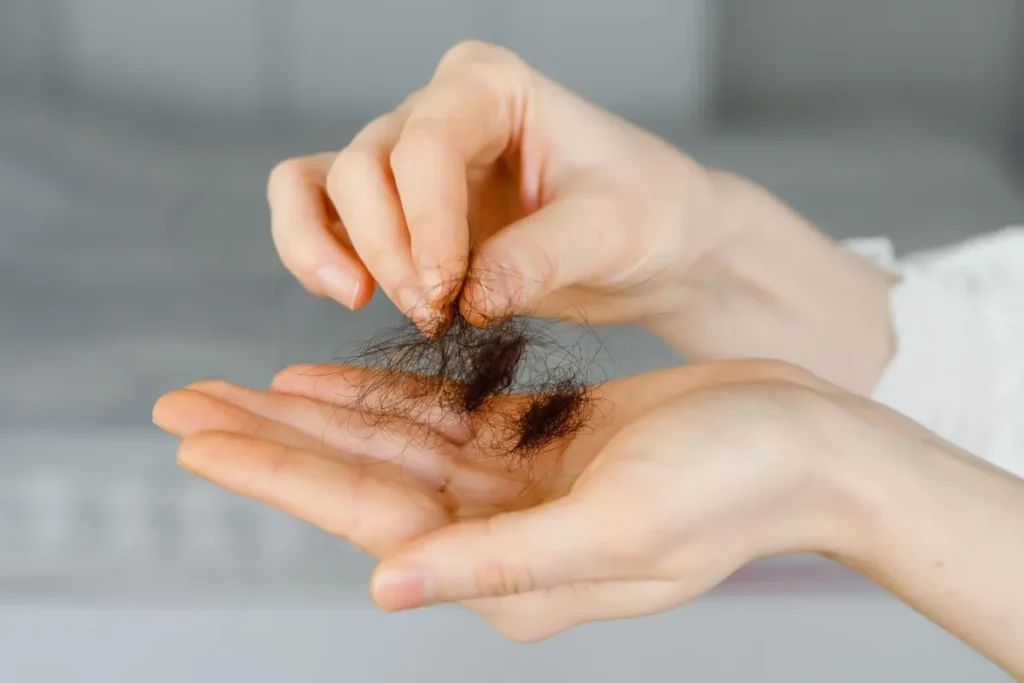
For those dealing with hair loss, the hair pull test is a simple yet effective tool. It’s a non-invasive way for dermatologists to check how much hair shedding is happening. It also helps find the reasons behind it.
The hair pull test works by gently pulling on a small part of hair. This shows how many hairs come out. It’s useful for spotting issues like telogen effluvium, anagen effluvium, and androgenetic alopecia. Knowing the results can help people understand their hair loss better.
Önemli Çıkarımlar
The hair pull test is a simple, non-invasive diagnostic tool.
It helps assess active hair shedding and identify underlying causes.
Conditions such as telogen effluvium and androgenetic alopecia can be diagnosed.
The test involves gently tugging on a small section of hair.
Understanding the results can help individuals comprehend their hair loss.
Understanding the Hair Pull Test
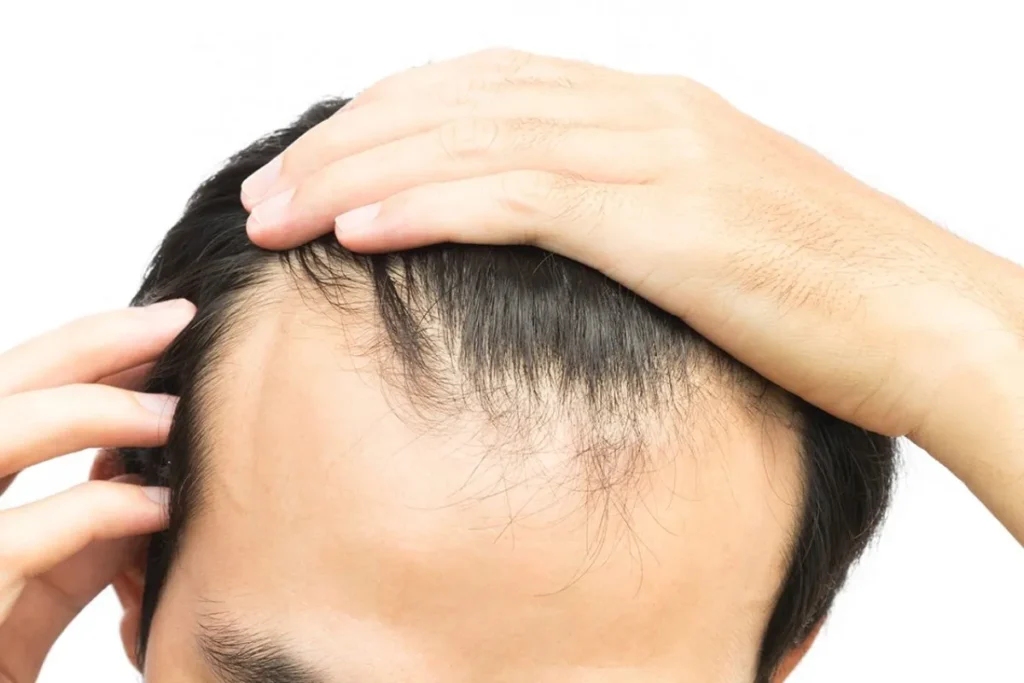
The hair pull test, also known as the hair tug test, is a clinical procedure. It checks for active hair shedding by gently pulling on a small section of hair.
Definition and Purpose
The main goal of the hair pull test is to see if someone is losing too much hair. It helps find out why this is happening. This test can be done on any part of the scalp and doesn’t need any special setup.
The test is a simple, non-invasive way to get quick insights into hair shedding. It’s great for figuring out how bad hair loss is. It can spot conditions like telogen effluvium, alopecia areata, or androgenetic alopecia.
When the Test Is Recommended
The hair pull test is suggested for those with sudden or a lot of hair shedding. It’s a key tool for doctors and health experts. They use it to find out why someone is losing hair and plan the right treatment.
Here are some times when the hair pull test is really helpful:
Suspected telogen effluvium
Alopecia areata diagnosis
Androgenetic alopecia assessment
Monitoring hair loss after medical treatment
How the Hair Pull Test Is Performed
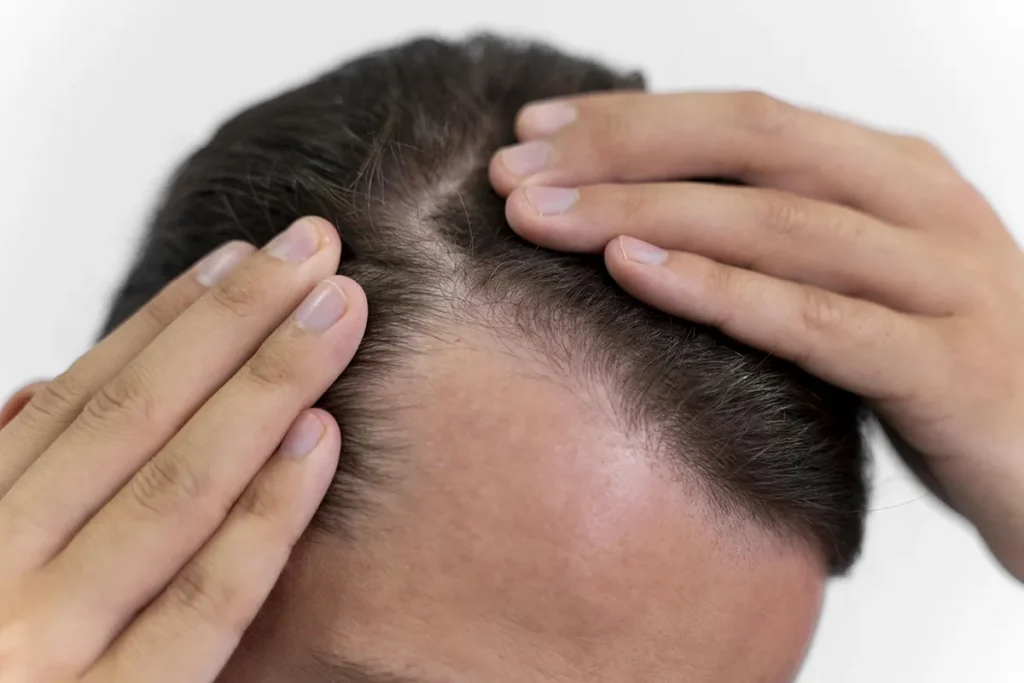
A hair pull test is a simple way to check for hair loss. It involves gently pulling on a section of hair. This can be done at home or in a doctor’s office.
Step-by-Step Procedure
To do a hair pull test, follow these steps:
Grasp a small section of hair, about 50-60 strands, between your thumb and index finger.
Put your thumb and index finger as close to your scalp as you can.
Gently pull the hair with steady, moderate force.
Count how many hairs come out.
Interpreting the Results: The number of hairs pulled out shows how much you’re shedding. More hairs pulled out means you might be losing hair too much.
Preparation Guidelines
Some say not to wash your hair for a few days before the test. But recent studies show this isn’t always needed. Always follow what a doctor tells you if you’re doing the test in a clinic.
Here’s a quick guide to getting ready and doing the test:
By following these steps and tips, you can do a hair pull test to check your hair loss.
Interpreting Hair Pull Test Results
Understanding hair pull test results is easy once you know what’s normal and what’s not. This test is simple but effective for checking hair loss. Knowing how to read the results is key to figuring out how to stop hair shedding.
Normal vs. Abnormal Findings
A normal test shows fewer than 3 hairs pulled out, meaning little hair loss. But, if more than 3-6 hairs are pulled, it means you’re losing hair fast. More than 6 hairs pulled is a clear sign of active hair loss.
The number of hairs pulled out also tells you how much hair you’re losing. For example, if over 5% of hairs (usually 3 out of 60) are easily pulled out, you’re losing too much hair. Knowing this helps find out why you’re losing hair.
What a Positive Result Indicates
A positive test can point to several hair loss issues, like telogen effluvium, anagen effluvium, or alopecia areata. Each has its own cause and impact on hair health.
Telogen Effluvium: This is when you shed a lot of hair after stress, shock, or health problems.
Anagen Effluvium: It’s linked to chemotherapy or treatments that stop hair growth.
Alopecia Areata: An autoimmune disease causing patches of hair loss.
Knowing the exact condition from a positive test is vital for the right treatment. Fighting hair loss starts with knowing what’s wrong. The hair pull test is a big help in finding out.
Conditions Diagnosed Using the Hair Pull Test
Several hair loss conditions can be detected using the hair pull test. This simple test helps find the cause of hair loss. It lets doctors give the right treatment.
Telogen Effluvium
Telogen effluvium is a temporary hair loss condition. It happens due to stress, illness, or hormonal changes. The test shows how many hairs are in the resting phase.
Key characteristics of telogen effluvium include:
Diffuse hair shedding
Triggered by stress, illness, or hormonal changes
Temporary condition
Anagen Effluvium
Anagen effluvium is sudden hair loss during the growth phase. It’s often caused by chemotherapy, radiation, or toxic exposure. This condition causes a lot of hair loss because many hairs are affected at once.
The hair pull test is good at finding anagen effluvium. It checks how much hair loss there is during the growth phase.
Alopesi Areata
Alopecia areata is an autoimmune condition that causes patchy hair loss. The hair pull test can help diagnose this condition. It shows how much hair loss there is in affected areas.
Androgenetik Alopesi
Androgenetic alopecia, also known as male or female pattern baldness, is a genetic condition. It leads to progressive hair loss. The hair pull test helps diagnose this by checking hair miniaturization and shedding.
Treatment options for these conditions vary, but early diagnosis through the hair pull test enables timely intervention.
Sonuç
The hair pull test is a key tool for spotting hair loss. It helps figure out if you’re losing hair fast. This test is the first step to solving hair loss problems.
It can spot issues like telogen effluvium, anagen effluvium, alopecia areata, and androgenetic alopecia. Knowing what’s wrong is the first step to fixing it. This way, you can feel better and get your hair back.
At a top hair restoration center, you get expert advice and care. They use the latest tech to help you get your hair back. You’ll get hair that looks and feels natural.
Start your journey to better hair today. A full check-up, including the hair pull test, is the first step. You’ll be on your way to beautiful, healthy hair for life.
SSS
What is the hair pull test?
It is a simple test where a few hairs are gently pulled to check how easily they come out.
What is the purpose of the hair pull test?
It helps assess active hair shedding and detect abnormal hair loss.
When is the hair pull test recommended?
It’s recommended when you notice sudden or excessive hair shedding.
How is the hair pull test performed?
A doctor gently pulls 40–60 hairs from different scalp areas and counts how many come out.
Can I perform the hair pull test at home?
Yes, but results are less accurate than a test done by a professional.
How should I prepare for the hair pull test?
Avoid washing or styling hair immediately before the test to get accurate results.
What constitutes a normal result in the hair pull test?
Losing 1–3 hairs per pull is considered normal.
What does a positive result in the hair pull test indicate?
More hairs than normal may indicate active hair shedding or a hair loss condition.
What conditions can the hair pull test help diagnose?
It can help identify telogen effluvium, alopecia areata, and other shedding disorders.
What is telogen effluvium, and how is it related to the hair pull test?
Telogen effluvium is temporary hair shedding, which the hair pull test can help detect.
What is the air tug test?
It is a method to check hair fragility by gently tugging hairs in the air to see if they break easily.
Is the hair pull test painful?
It may cause slight discomfort, but it is usually not painful.
Referanslar
Ulusal Biyoteknoloji Bilgi Merkezi. Kanıta Dayalı Tıbbi Öngörü. Erişim adresi https://pubmed.ncbi.nlm.nih.gov/37213097/





