
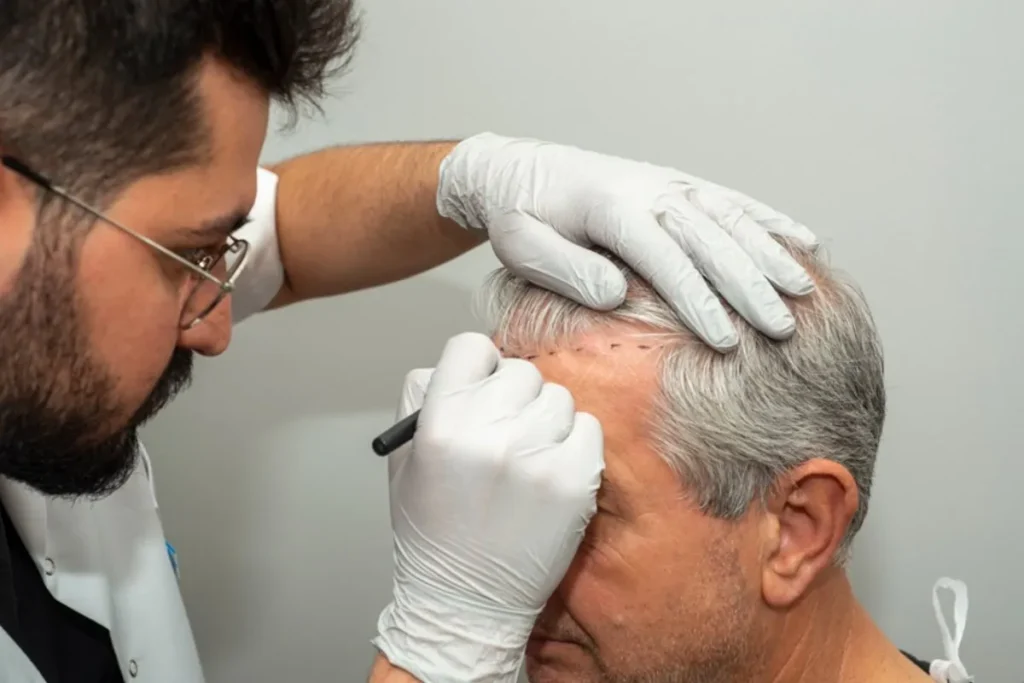
Getting back your confidence through hair restoration is a journey. It needs you to know the recovery process. With FUE technology, you can get natural-looking results with little downtime. Knowing the exact healing timeline is key to a smooth recovery.
The first healing phase after an FUE procedure usually takes 7 to 10 days. During this time, you might see mild redness, swelling, and scabbing. By following the post-operative instructions and using the right aftercare products, you can reduce discomfort and help your body heal faster.
Knowing the FUE recovery timeline is important. It helps you manage your expectations and ensures a smooth healing process. With the right guidance, you can get the natural-looking results you want.
Önemli Çıkarımlar
Understand the FUE recovery timeline to manage expectations.
Initial healing phase lasts around 7 to 10 days.
Follow post-operative instructions for a smooth recovery.
Use recommended aftercare products to minimize discomfort.
Achieve natural-looking results with proper care.
Understanding FUE Hair Transplant Recovery Basics
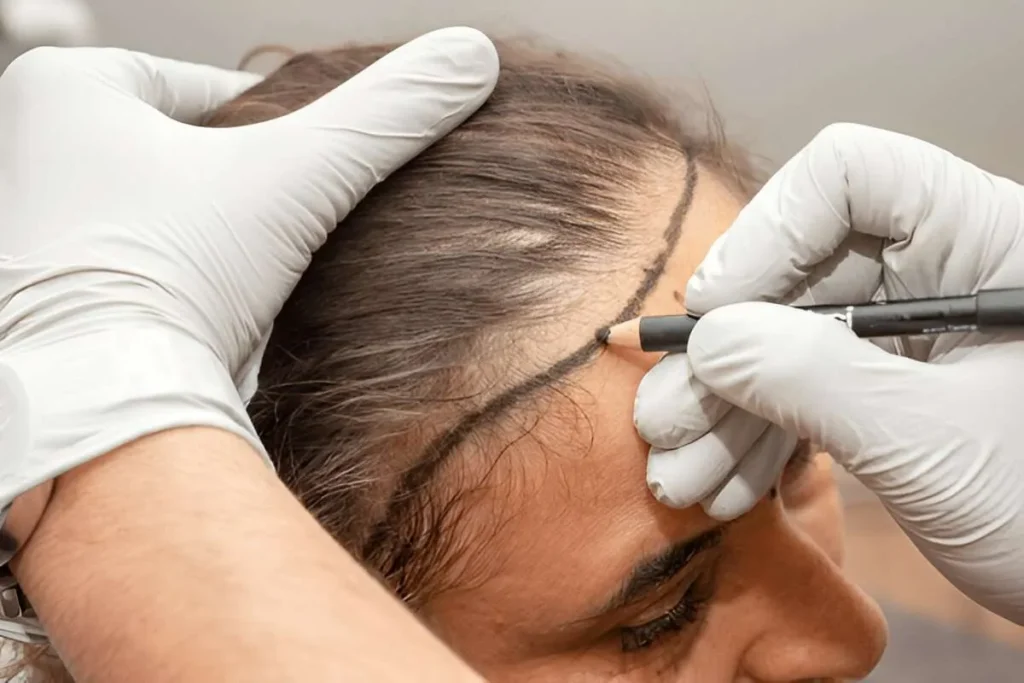
Starting your journey to regain confidence with hair restoration means learning about FUE recovery basics. Follicular Unit Extraction (FUE) has changed the hair transplant world. It offers a less invasive option compared to older methods.
How FUE Differs from Traditional FUT Methods
FUE is different from Follicular Unit Transplantation (FUT) in how it takes grafts. FUE takes individual grafts directly from the donor area, not like FUT which takes a strip of scalp. This makes FUE less likely to leave scars and recovery is faster.
What to Expect: General Recovery Timeline
The general recovery timeline for FUE hair transplants is quicker than FUT. Most people can get back to their usual life in a few days to a week. The first healing phase lasts about 7-10 days, as the body heals the transplanted area.
Then comes a shedding phase, which is normal, followed by new hair growth. Knowing what to expect in each phase can help reduce stress. With modern FUE techniques, recovery is fast, and results appear in a few months.
Fast Hair Transplant Recovery: Day-by-Day Guide
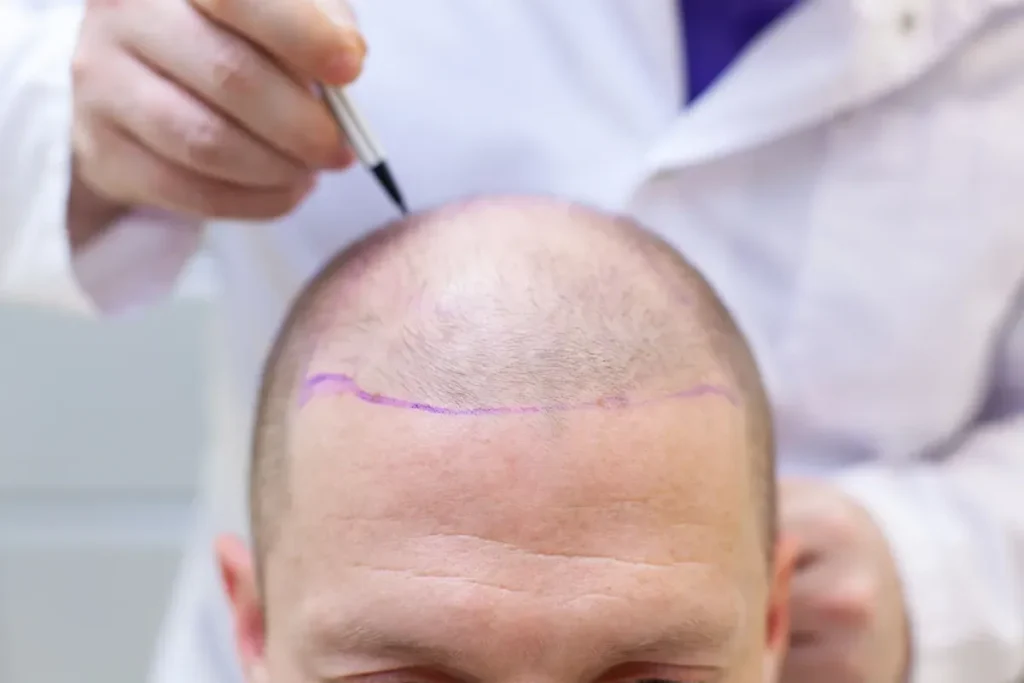
Recovering from an FUE transplant is a journey with its own challenges each day. Knowing what to expect each day is key to getting the best results from your transplant.
Days 1-3: Essential Post-Operative Care Tips
In the first 48 hours, you might see some redness and swelling. It’s important to follow a careful care plan. Keep your head elevated to reduce swelling and avoid activities that could harm the grafts.
Gentle washing of your scalp is okay in the first 24-48 hours. Use a mild shampoo and pat dry gently. Avoid rubbing to prevent infection and help healing.
Days 4-7: Managing Swelling, Tenderness, and Itchiness
As the redness goes away, you might feel swelling, tenderness, and itchiness. Managing swelling can be done with cold compresses and meds. Don’t scratch the grafts to avoid damage.
Tenderness can be eased with over-the-counter pain meds. Itchiness, a sign of healing, should be handled gently. Use a soft touch or a clean, damp cloth to avoid dislodging grafts.
Days 8-14: Proper Crust Removal Techniques
Crusts on the grafts are normal during healing. Gentle crust removal is important from days 8-14. Soak the crusts in a saline solution or water and baby shampoo mix. Then, remove them gently with a soft cloth or cotton swab.
Removing crusts properly helps the grafts grow well. Avoid harsh chemicals or force, which could harm the grafts or scalp.
Weeks 2-12: Navigating the Long-Term Recovery Process
The long-term recovery after a hair transplant is key. It includes shedding and growth stages. Knowing what to expect can make your journey better and more rewarding.
The Normal Shedding Phase (2-3 Weeks Post-Procedure)
Transplanted hairs often shed 2-3 weeks after the transplant. This shedding phase is a normal part of hair growth. It might seem scary, but it’s just a temporary step before growth starts.
Be gentle with your scalp during this time. Avoid harsh treatments and heat styling. Your hair team will help you take care of your scalp.
Months 1-3: What to Expect During Initial Growth
At around 3-4 months after the transplant, you might see new hair growth. This is an exciting time to see your hair transplant results.
Initial growth may seem slow and uneven at first. But it will get better and more even over time. Be patient and keep your expectations realistic. Full results may take a year or more to show.
Male vs. Female Hair Transplant Recovery Differences
Men and women both recover from hair transplants, but there are differences. Women might take a bit longer to recover due to hormones and hair types.
It’s important to understand these differences to manage your recovery better. Your hair specialist will give you advice based on your needs and hair type.
By being careful and patient during recovery, you can get the most out of your hair transplant. You’ll enjoy a fuller, more natural-looking head of hair.
Conclusion: Maximizing Your FUE Recovery Success
Proper aftercare is key for the best graft survival and healthy hair growth after an FUE hair transplant. By following the guidelines in this article, patients can have a smooth recovery. This leads to fue recovery success.
To get the best results from a hair transplant, stick to a personalized aftercare plan. This means managing swelling, tenderness, and itchiness. Also, learn how to remove crusts properly. This helps in promoting healthy hair growth and maximizing hair transplant results.
Good hair transplant aftercare is essential for a successful FUE procedure. Choosing a reputable and experienced hair transplant center is important. This ensures you get the care and guidance you need during your recovery. Enjoy a lifetime of natural, dense hair growth after a successful FUE hair transplant.
SSS
How long is the recovery time for a hair transplant?
Initial recovery takes about 7–14 days. Most people return to work within a few days, while full cosmetic healing (no redness or scabs) usually occurs within 2–3 weeks.
What is the healing time for FUE hair transplant?
With Foliküler Ünite Ekstraksiyonu (FUE), small extraction sites typically heal within 7–10 days, often faster than strip methods.
How long does it take for swelling to go down after a hair transplant?
Swelling usually peaks around day 2–3 and subsides within 3–5 days.
What are the differences in recovery between male and female hair transplant patients?
Recovery time is generally similar. Women may keep surrounding hair longer, which can help hide redness or scabbing during healing.
How long does it take to see the final results of a hair transplant?
Final results typically appear between 12–18 months after the procedure.
What is the normal shedding phase after a hair transplant?
Transplanted hairs often shed within 2–4 weeks (shock loss). This is temporary, and new growth usually begins around 3–4 months.
Can I resume my normal activities immediately after a hair transplant?
Light activities can resume in 1–2 days, but avoid heavy exercise, sweating, swimming, and direct sun exposure for about 2 weeks.
How can I promote healing and minimize discomfort after a hair transplant?
Follow your surgeon’s instructions, sleep with your head elevated, avoid touching grafts, take prescribed medications, and use recommended gentle shampoos.
What is the recovery process like for FUE hair transplant?
Tiny scabs form around grafts, mild redness and swelling may occur, and donor areas heal quickly with minimal visible scarring.
Are there any specific aftercare instructions for FUE hair transplant?
Yes, avoid scratching, wash gently as instructed, avoid tight hats early on, skip intense workouts for 1–2 weeks, and attend follow-up appointments.
Referanslar
Ulusal Biyoteknoloji Bilgi Merkezi. Kanıta Dayalı Tıbbi Öngörü. Erişim adresi https://pmc.ncbi.nlm.nih.gov/articles/PMC6795649/





