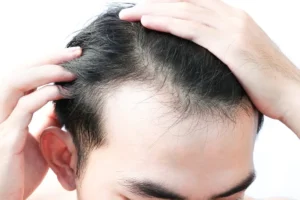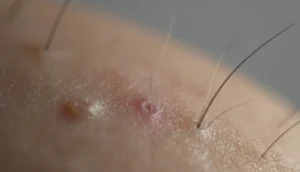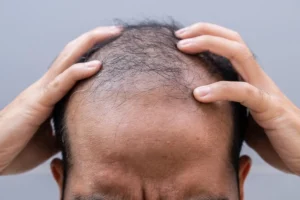

Achieve amazing results with scientifically proven hair growth. Use these powerful, incredible methods to thicken your hair and stop loss. Achieve amazing results with scientifically proven hair growth. Use these powerful, incredible methods to thicken your hair and stop loss.
Getting thicker, fuller hair can boost your confidence. Millions face hair thinning and loss, affecting their self-esteem. Knowing how hair grows is key to finding solutions.
FDA-approved medications like finasteride and minoxidil help. They can make your hair thicker. By trying these methods, you can see real results and feel more confident.
Önemli Çıkarımlar
Understand the biology behind hair thickness and growth.
Explore FDA-approved medications for hair restoration.
Discover advanced regenerative therapies for thicker hair.
Learn about natural plant-based treatments backed by clinical research.
Regain confidence through effective, evidence-based hair restoration methods.
Understanding Hair Growth Biology
Learning about hair growth biology is key for thicker hair. Hair growth is complex, influenced by genetics, nutrition, and health.
Hair grows in cycles. Knowing these cycles helps in making hair thicker. The cycle has three phases: anagen, catagen, and telogen. The anagen phase is when hair grows fast, lasting 2 to 6 years.
Hair Growth Cycle Explained
The hair growth cycle is vital for understanding hair growth. The anagen phase is where most hair growth happens. It’s affected by genetics, hormones, and nutrition.
After the anagen phase, hair enters the catagen phase. This short phase lasts about 2-3 weeks. The hair follicle shrinks and detaches from the dermal papilla.
The hair then goes into the telogen phase. This is a resting period lasting 3-4 months. After this, the hair falls out, and the cycle starts again. Knowing these phases helps understand how to improve hair growth and thickness.
Factors Affecting Hair Thickness
Many things can affect hair thickness, like genetics, nutrition, stress, and medical conditions. Genetics play a big role in hair thickness. Some people naturally have thicker or thinner hair.
Nutritional deficiencies, like iron, zinc, and biotin, can also impact hair thickness. Getting enough nutrients is important for hair growth. Stress can also lead to hair loss and thinning. Managing stress is key for healthy, thick hair.
Understanding the hair growth cycle and what affects hair thickness helps in making better hair care choices. This knowledge lets people take steps towards thicker, healthier hair.
FDA-Approved Medications for Scientifically Proven Hair Growth

For those looking to make their hair thicker, FDA-approved meds are a proven solution. Hair loss can really hurt your self-esteem. Luckily, medical research has brought us effective treatments.
Finasteride: Mechanism and Efficacy
Finasteride is a pill for treating male pattern baldness. It stops testosterone from turning into DHT, a hormone that shrinks hair follicles. This way, finasteride slows hair loss and encourages new hair to grow. Clinical trials show it boosts hair density and makes hair thicker in men.
Minoxidil: How It Works to Promote Thicker Hair
Minoxidil is a scalp solution that boosts hair growth. Its exact action is not known, but it’s thought to make follicles wider and extend the hair growth phase. Minoxidil is available without a prescription and works for both men and women with hair loss. Research proves it can grow new hair and thicken existing hair.
Proper Application and Expected Results
To get the best from hair growth meds, applying them right is key. Finasteride needs to be taken daily. Minoxidil should be applied twice a day. Remember, results can differ for everyone. But, studies show both can greatly improve hair thickness and density with regular use.
Here are the main benefits of using FDA-approved hair growth meds:
Scientifically proven to work
Increases hair density and thickness
Slows or stops hair loss
Encourages natural hair regrowth
Adding FDA-approved meds like finasteride and minoxidil to your hair care routine can help you get thicker, healthier hair. Always talk to a doctor before starting any new medication. They can help you understand any side effects and find the best treatment for you.
Advanced Clinical Therapies for Thicker Hair

Looking for ways to make your hair thicker? Clinical therapies might be the answer. New treatments in dermatology are making hair growth and thickness better.
Microneedling: Stimulating Natural Growth Factors
Microneedling is a gentle way to help your hair grow. It uses tiny needles to make small injuries in your scalp. This starts your body’s healing process, making more growth factors for hair.
Studies show microneedling works well for thicker hair, when used with other treatments. You’ll need several sessions, a few weeks apart. It’s easy on your scalp and doesn’t keep you from doing much.
Düşük Seviyeli Lazer Terapisi (LLLT)
LLLT is a simple treatment that uses lasers to help hair grow. It’s not clear how it works, but it might increase blood flow to your scalp. This brings more oxygen and nutrients to your hair follicles.
LLLT comes in different forms, like caps and helmets. Research shows it can make your hair thicker. It’s also pain-free, making it a good choice for those who don’t like needles.
Platelet-Rich Plasma and Stem Cell Treatments
PRP therapy uses your own blood to help your hair grow. It injects platelet-rich plasma into your scalp. This plasma has growth factors that help your hair follicles.
Stem cell treatments are new and promising. They might help grow new hair follicles. These treatments are at the forefront of hair loss solutions.
Exploring these advanced therapies can help you get thicker, healthier hair. Options like microneedling, LLLT, PRP, and stem cell therapy are available. They offer new ways to improve your hair’s thickness and look.
Evidence-Based Natural Approaches
Natural ways to grow hair are backed by science. They can work alone or with other treatments to make hair thicker and healthier.
Rosemary Oil: Clinical Comparison to Minoxidil
Rosemary oil is known for its hair growth benefits. A study showed it’s as good as minoxidil in growing hair. This is great for those who don’t want to use medicines.
Rosemary oil works by improving blood flow and reducing dandruff. This makes the scalp healthier. To use it, apply it to your scalp with a carrier oil.
Nutritional Support for Hair Growth
Eating well is key for hair health. Nutrients like biotin, vitamin D, and omega-3s help hair grow thicker and stronger. Getting enough of these through food or supplements helps hair grow.
Biotin: It’s vital for hair, and a lack can cause hair loss.
Vitamin D: It keeps hair follicles healthy, and low levels can lead to hair loss.
Omega-3 Fatty Acids: These fats nourish the scalp, helping hair grow.
Scalp Massage and Circulation Enhancement
Scalp massage boosts hair growth by improving blood flow. More blood means more oxygen and nutrients for hair follicles, leading to healthier hair. Massaging your scalp daily can help.
To massage your scalp, use your fingertips in circular motions. Do it during hair care or as a separate activity.
Using natural methods like rosemary oil, nutrition, and scalp massage can help grow hair. These approaches offer a natural way to regain hair confidence.
Conclusion: Creating Your Personalized Hair Thickening Regimen
To get thicker hair, you need a plan that fits your hair growth needs. Learn about your hair growth and try different treatments. This way, you can make a plan that helps your hair grow thicker.
Using proven methods like FDA-approved meds and natural treatments can help. For example, rosemary oil or low-level laser therapy can boost hair growth. These methods can make your hair thicker faster.
Get advice from experts to make a plan that’s just right for you. They can help you tackle your hair growth issues. This way, you can get the thicker, fuller hair you want. So, how can you make your hair grow thicker? By taking a detailed and personalized approach to hair care.
Feel more confident with a fuller head of hair by trying different options. The right mix of treatments and a plan made just for you can help. You can say goodbye to thinning hair and get thicker hair instead.
SSS
What are the most effective ways to increase hair thickness?
Use proven treatments like Minoxidil, consider Finasterid (for men), correct nutritional deficiencies, try microneedling, manage stress, and follow gentle hair care practices. Consistency is key.
How does genetics affect hair thickness?
Genetics determine hair follicle size and sensitivity to DHT. In hereditary hair loss (androgenetic alopecia), follicles gradually shrink, producing thinner hair over time.
Can nutritional deficiencies impact hair growth?
Yes. Low levels of protein, iron, zinc, vitamin D, and biotin can weaken hair structure and slow growth, leading to thinning.
How do FDA-approved medications like finasteride and minoxidil work?
Minoxidil increases blood flow and prolongs the growth phase of hair follicles. Finasteride reduces DHT levels by blocking 5-alpha reductase, preventing follicle shrinkage.
What are the benefits of microneedling for hair growth?
Microneedling creates tiny micro-injuries that stimulate collagen production, improve blood supply, and enhance absorption of treatments like Minoxidil.
Is Low-Level Laser Therapy (LLLT) effective for hair growth?
Low-Level Laser Therapy may stimulate follicles, improve cellular activity, and support thicker hair. Results vary and require regular use over months.
Can rosemary oil be as effective as minoxidil for hair growth?
Some small studies suggest rosemary oil may perform similarly to 2% Minoxidil over several months, but evidence is limited and results are typically slower.
How often should I massage my scalp to promote hair growth?
Massage 5–10 minutes daily or at least 3–4 times per week to improve circulation and reduce stress-related shedding.
How long does it take to see results from hair thickening treatments?
Visible improvement usually starts after 3–6 months, with fuller results around 9–12 months of consistent treatment.
Referanslar
https://pmc.ncbi.nlm.nih.gov/articles/PMC12553935