
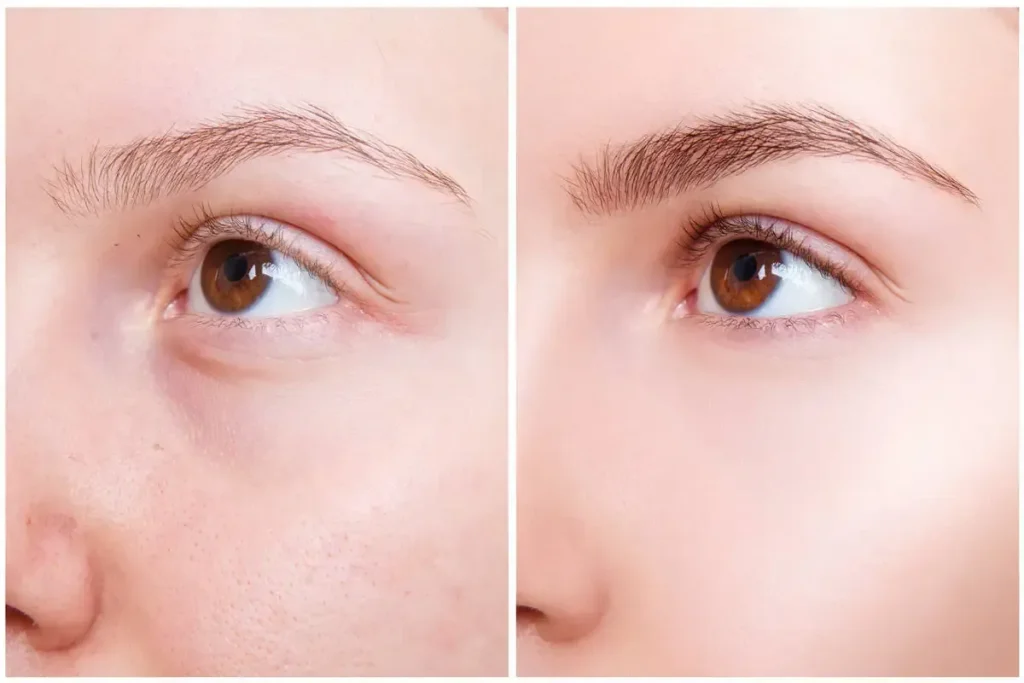
Have you noticed your eyebrows becoming sparse, mainly toward the outer edges? This change might mean you have a thyroid problem that needs a doctor’s help. Eyebrow thinning and loss, known as the Hertoghe Sign, is an early sign of hypothyroidism. It affects up to 50 percent of people with this condition.
Thyroid hormones are key for hair follicle growth. Not having enough can cause hair loss, including eyebrow loss. Knowing how thyroid health affects eyebrow health is key to fixing this problem.
Önemli Çıkarımlar
Hypothyroidism can cause hair loss, including eyebrows.
Thyroid hormones are essential for hair follicle development.
Eyebrow thinning is a common symptom of hypothyroidism.
Addressing the underlying thyroid condition can help stop eyebrow loss.
Medical attention is necessary for proper diagnosis and treatment.
Understanding Hypothyroidism Eyebrows: The Connection
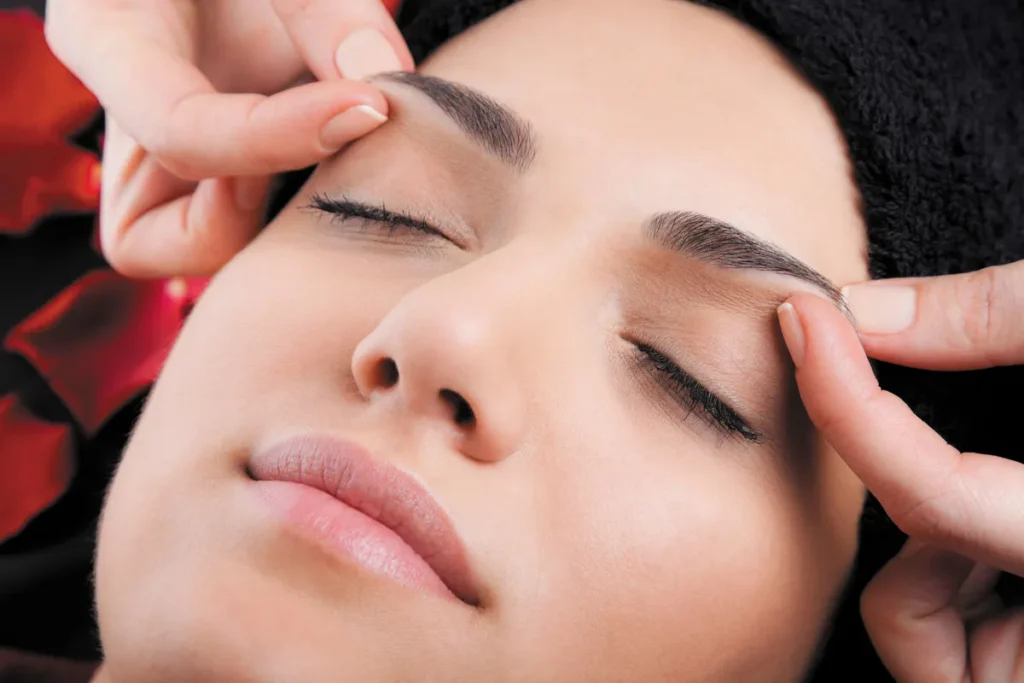
Hypothyroidism can cause changes in eyebrow hair. It affects the thyroid gland and overall health. This includes hair growth and maintenance.
The Hertoghe Sign: Identifying Thyroid-Related Eyebrow Loss
The Hertoghe sign is a sign of thyroid-related eyebrow loss. It shows loss or thinning of the outer third of the eyebrows. This is often seen in hypothyroidism.
This eyebrow loss pattern is not only seen in hypothyroidism. It’s a key sign doctors look for in thyroid problems.
How Thyroid Hormones Affect Hair Follicle Development
Thyroid hormones are key in hair follicle development. They control hair growth. An imbalance can change hair texture and growth, including eyebrow hair.
Low thyroid hormone levels, like in hypothyroidism, can cause hair loss, including eyebrows. Hair follicles are very sensitive to thyroid hormones. Managing hypothyroidism is important for healthy hair growth.
Distinguishing Thyroid-Related Eyebrow Loss from Other Causes
It’s important to know if eyebrow loss is due to thyroid issues or other reasons. Conditions like alopecia areata, nutritional deficiencies, and autoimmune diseases can also cause eyebrow loss. A detailed medical check is needed to find the cause.
Finding the right cause of eyebrow loss is key for treatment. For those with hypothyroidism, treating the thyroid condition is a big step in fixing hair loss issues.
Medical Treatments to Restore Eyebrow Growth
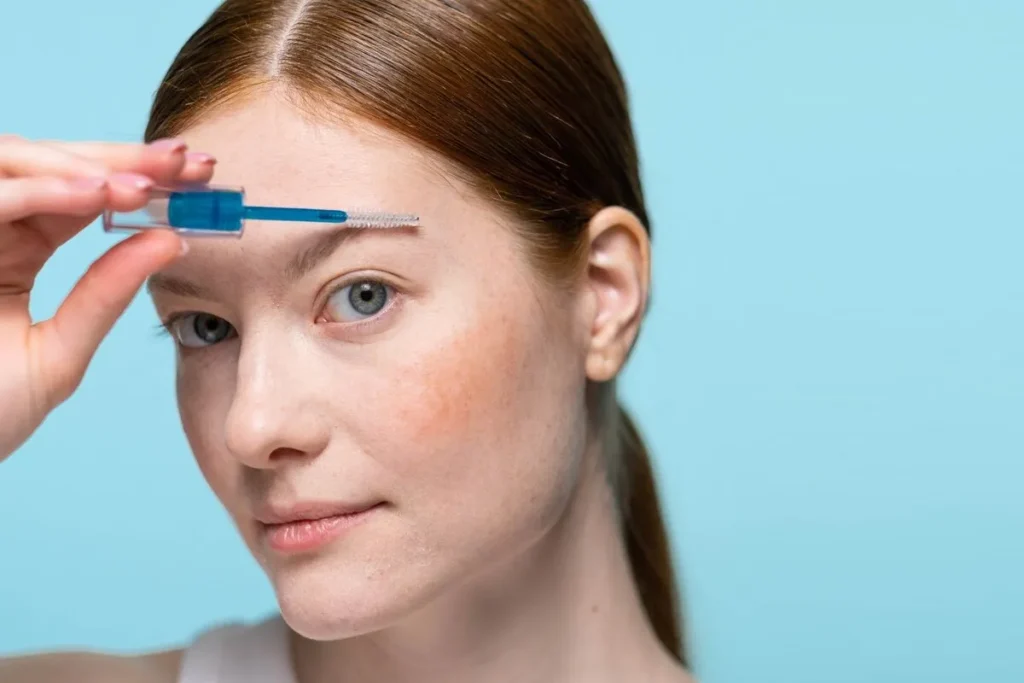
Medical treatments can help those losing their eyebrows due to hypothyroidism. To grow back eyebrows, you need to balance thyroid hormones, eat right, and use special creams.
Optimizing Thyroid Hormone Replacement Therapy
First, make sure your thyroid hormone levels are right. Work with your doctor to adjust your medication. This ensures your body has the right balance of hormones.
Right hormone levels are key for healthy hair follicles. Regular blood tests help keep hormone levels in check. Your doctor can make changes as needed.
Nutritional Supplements That Support Hair Growth
Along with hormone therapy, some supplements can help your hair grow. These include:
Biotin: It’s vital for hair growth and strengthens follicles.
Vitamin D: It’s good for your health and helps prevent hair loss.
Omega-3 fatty acids: These fats support health and may help your hair grow.
Eating a balanced diet with lots of vitamins and minerals is also important for hair growth.
Topical Treatments for Stimulating Eyebrow Regrowth
There are creams and oils that can help your eyebrows grow back. Some good ones are:
Minoxidil: It’s used for scalp hair loss but works on eyebrows too.
Castsor oil: Massaging it into your eyebrows might help them grow.
Using these treatments with other therapies can make them work better.
When to Consult a Specialist About Persistent Eyebrow Loss
If your eyebrows keep falling out, even with treatment, see a specialist. A dermatologist or endocrinologist can offer more advice and treatments that fit your needs.
Conclusion: Living Well with Hypothyroidism
Managing hypothyroidism well is key to reducing its symptoms, like hair loss on the thyroid and eyebrows. Knowing how hypothyroidism affects eyebrow health helps people take action. This can prevent balding eyebrows thyroid.
Improving thyroid hormone levels, adding supplements for hair growth, and using topical treatments can help eyebrows grow back. Those with thinning eyebrows and hypothyroidism should see a specialist. This is to tackle ongoing eyebrow loss.
By managing hypothyroidism, people can lower the risk of losing eyebrows due to it. This approach improves overall health, including eyebrow health. Living well with hypothyroidism means tackling its effects on health comprehensively.
SSS
What is the connection between hypothyroidism and eyebrow loss?
Thyroid hormones (T3 and T4) are essential for triggering the growth phase of hair follicles. When levels are low, follicles remain in a resting state, leading to diffuse thinning and the characteristic loss of the outer eyebrow edges.
What is the Hertoghe sign?
The Hertoghe sign, or Queen Anne’s sign, is the medical term for the thinning or total loss of the lateral (outer) third of the eyebrows. It is considered a classic clinical hallmark of severe or prolonged hypothyroidism.
How do thyroid hormones impact hair follicle development?
Thyroid hormones directly stimulate the proliferation of hair matrix cells and prolong the active growth (anagen) phase. A deficiency disrupts this cycle, causing hair to shed faster than it can be replaced by new growth.
Can nutritional supplements help restore eyebrow growth?
Supplements like iron, selenium, and zinc can support thyroid function and hair health if a deficiency is present. However, they should only be used as a complement to, not a replacement for, thyroid hormone medication.
What are the available medical treatments for thyroid-related eyebrow loss?
The primary treatment is hormone replacement therapy (e.g., levothyroxine) to stabilize thyroid levels. Additionally, topical stimulants like bimatoprost (Latisse) or minoxidil may be used off-label to accelerate the regrowth process.
When should I consult a specialist about eyebrow loss?
You should see a doctor if eyebrow loss is accompanied by fatigue, weight changes, or cold intolerance. A specialist can perform blood tests to confirm if the loss is thyroid-related rather than a skin condition like eczema.
Can topical treatments stimulate eyebrow regrowth?
Yes, topical treatments like minoxidil can increase blood flow to the follicles, while prostaglandin analogs can extend the growth cycle. These are most effective when used alongside systemic thyroid medication to address the root cause.
How can I distinguish thyroid-related eyebrow loss from other causes?
Thyroid-related loss typically targets the outer third of the brow and is often symmetrical. Other causes, like alopecia areata or eczema, usually present with patchy loss, intense itching, or visible skin redness and scaling.
Can eyebrow loss be a symptom of an underlying thyroid condition?
In many cases, thinning eyebrows are one of the first visible clinical signs of an underactive thyroid. If the outer edges of your brows are disappearing, it is often a signal for a physician to check your TSH levels.
How can managing hypothyroidism help prevent eyebrow loss?
Proper management ensures that thyroid hormone levels remain optimal, preventing the follicles from entering a premature resting phase. Consistent medication adherence keeps the hair growth cycle stable and maintains eyebrow density.
Referanslar
National Center for Biotechnology Information. Evidence-Based Medical Insight. Retrieved from https://pmc.ncbi.nlm.nih.gov/articles/PMC10214500/





