Razor bumps, also known as pseudofolliculitis barbae (PFB), are a common problem for those who shave. They cause discomfort and can lead to scarring. This happens when hairs curl back into the skin instead of growing straight out, causing inflammation and irritation.
Knowing the cause and how to treat it can change your skincare routine. Effective solutions are key to treating and preventing razor bumps. This ensures you have smooth, healthy-looking skin.
This article will look at 5 effective ways to remove razor bumps. You’ll learn how to tackle this common issue.
Önemli Çıkarımlar
Understanding the causes of razor bumps
Effective methods for razor bump removal
Prevention techniques for long-term skin health
The importance of proper skincare routines
5 effective solutions to remove razor bumps
Understanding Hair Bumps and Their Causes
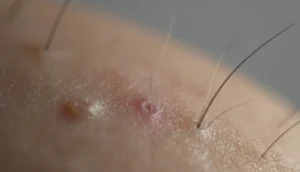
Razor bumps, also known as pseudofolliculitis barbae, are common, mainly in those with curly or coarse hair. They happen when hairs grow back into the skin, causing inflammation and discomfort. This can also lead to infections.
What Are Razor Bumps?
Razor bumps happen when hair curls back into the skin instead of growing out. According to Ifeoma Ejikeme, MD, this leads to inflammation and bumps. Pseudofolliculitis barbae is more than a skin issue; it affects daily life.
Why Curly and Coarse Hair Is More Susceptible
Research shows curly and coarse hair are more prone to razor bumps. Curly hair curls back into the skin, causing ingrown hairs. Coarse hair is thicker and can get trapped in the skin, making the problem worse.
Yaygın Tetikleyiciler ve Risk Faktörleri
Several factors can make razor bumps more likely. These include bad shaving techniques, dull razors, and shaving too close. The table below lists common triggers and risk factors for pseudofolliculitis barbae.
Knowing the causes and risk factors is key to preventing and treating razor bumps. By understanding these, people can take steps to reduce their occurrence and ease discomfort.
Preventing Hair Bumps Before They Form
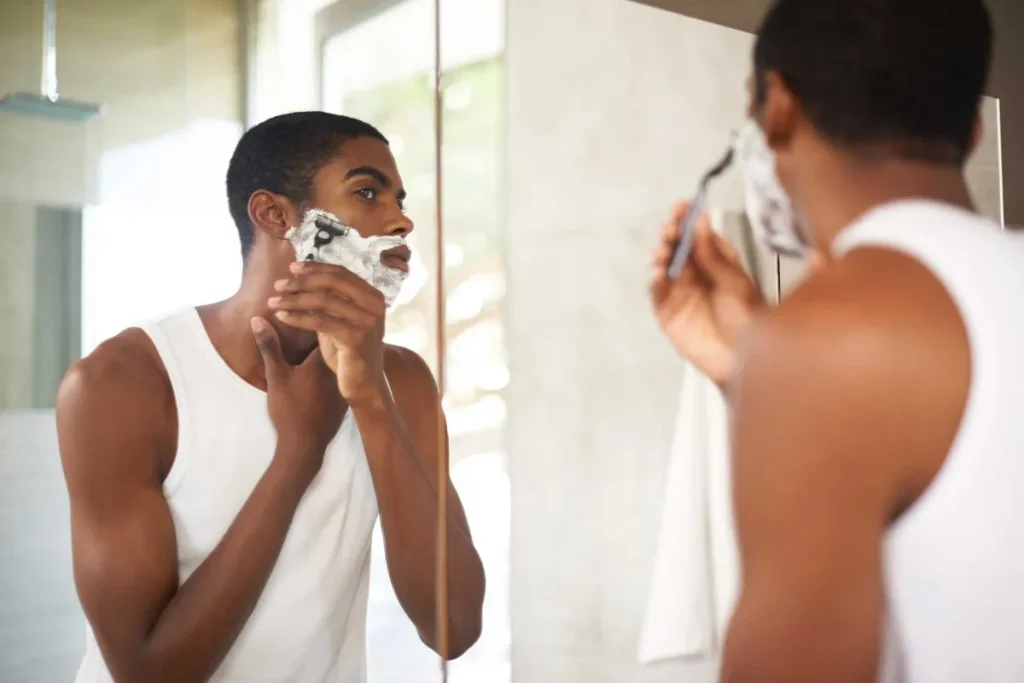
To stop hair bumps, you need the right shaving methods, good pre-shave prep, and careful post-shave care. Using the right techniques and products can really cut down on razor bumps.
Proper Shaving Techniques to Minimize Irritation
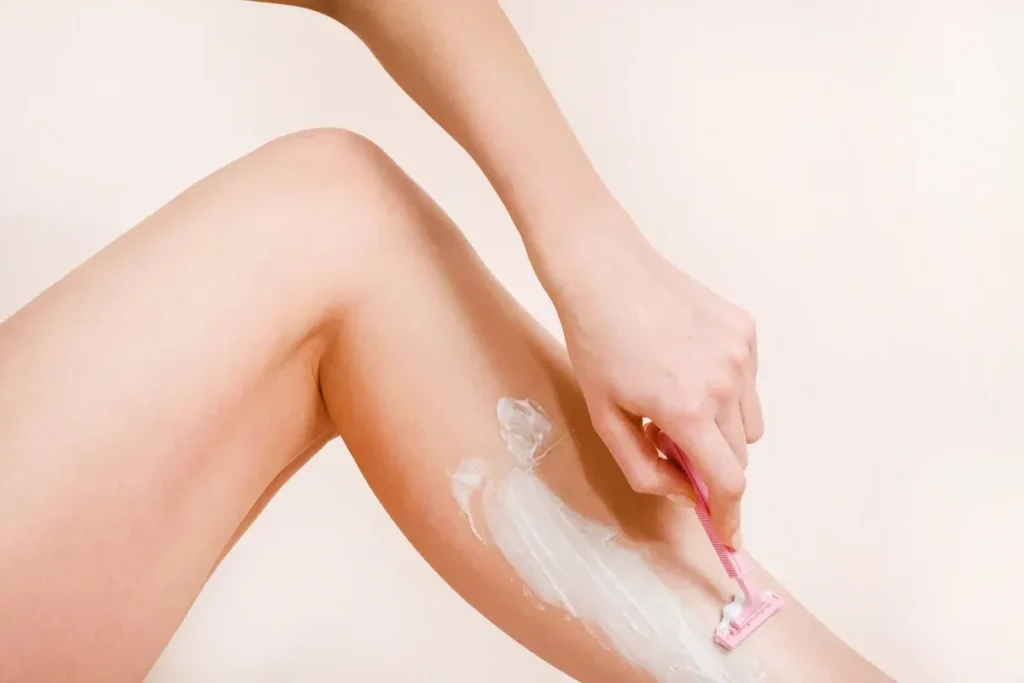
Shaving with the grain is key to avoiding razor bumps. Shaving against the grain can trap hair under the skin, causing bumps. Always use a sharp razor to avoid more irritation and ingrown hairs. Shaving lightly and not over the same spot can also help.
Essential Pre-Shave Preparation Steps
Getting your skin ready for shaving is vital. Start by exfoliating to remove dead skin and help the razor move better. Use a gentle scrub or a product with salicylic acid. Then, shave with a cream or gel that fits your skin type.
Post-Shave Care Routines That Work
After shaving, calm your skin with aftershave that has salicylic acid or aloe vera. This helps with inflammation and prevents ingrown hairs. Moisturizing is also key; use a non-comedogenic moisturizer to keep your skin hydrated without clogging pores. As an expert says, “Proper post-shave care is key to preventing razor bumps and maintaining healthy, smooth skin.”
By following these tips and using products with salicylic acid, you can prevent razor bumps. This will help you have smoother, healthier-looking skin.
5 Effective Solutions for Razor Bump Removal
Removing razor bumps needs the right treatments. Razor bumps, or pseudofolliculitis barbae, are common, mainly in those with curly or coarse hair. Luckily, there are many effective ways to tackle this issue.
Solution 1: Salicylic Acid Treatments for Exfoliation
Salicylic acid is a beta-hydroxy acid that exfoliates the skin. It unclogs pores and reduces inflammation. It’s found in many over-the-counter (OTC) products for razor bumps. Salicylic acid treatments remove dead skin cells, making shaving smoother and reducing ingrown hairs.
Begin with a low concentration of salicylic acid to see how your skin reacts. Products with 0.5% to 2% salicylic acid work well for razor bump removal.
Solution 2: Glycolic Acid for Dead Skin Removal
Glycolic acid is an alpha-hydroxy acid that exfoliates by breaking down dead skin cells. It reveals smoother skin. Regular use of glycolic acid improves skin texture and reduces razor bumps.
Glycolic acid products range in concentration. For treating razor bumps, use products with 5% to 10% concentration.
Solution 3: Benzoyl Peroxide for Inflammation Reduction
Benzoyl peroxide fights acne and helps with razor bumps. It reduces inflammation and kills bacteria. Benzoyl peroxide products range from 2.5% to 10% strength.
Be careful of dryness or irritation with benzoyl peroxide, as it can affect sensitive skin. Start with a lower concentration and increase as your skin gets used to it.
Solution 4: Specialized Bump Fix Products (Like Jack Black Bump Fix)
There are products like Jack Black Bump Fix made for razor bumps. They combine soothing and exfoliating ingredients to calm the skin and prevent bumps.
Using Jack Black Bump Fix can effectively treat razor bumps. It’s designed to soothe irritated skin and reduce bump appearance.
In conclusion, treating razor bumps needs the right treatments and good skin care. Using salicylic acid treatments, glycolic acid, benzoyl peroxide, or specialized products can help. This way, you can reduce razor bumps and have smoother, healthier-looking skin.
Sonuç
Understanding why razor bumps happen and using the right treatments can help get rid of them. Salicylic acid treatments, for example, work by exfoliating the skin. This helps prevent ingrown hairs and reduces bumps.
Products with glycolic acid and benzoyl peroxide also help remove and prevent bumps. Special products, like Jack Black Bump Fix, are made to fight razor bumps. They help keep your skin smooth.
Preventing razor bumps is important. Using the right shaving techniques and taking care of your skin before and after shaving can help. By using these methods and treatments, you can keep your skin healthy and bump-free.
SSS
What are razor bumps, and how are they caused?
Razor bumps (pseudofolliculitis barbae) are small, irritated skin lesions that form when hair curls back or grows sideways into the skin after shaving. This causes an inflammatory response, resulting in redness, pain, and sometimes pus-filled pimples.
How can I prevent razor bumps from forming?
To prevent bumps, always shave in the direction of hair growth using a sharp, clean blade and plenty of lubricating gel. Gently exfoliating 2–3 times a week and hydrating the skin with warm water before shaving also helps by keeping follicles clear and hairs soft.
What is the best way to treat razor bumps?
The most effective treatment is to stop shaving for a few days and apply warm compresses to help the trapped hairs come to the surface. Using soothing anti-inflammatory agents like aloe vera or tea tree oil can also reduce redness and speed up the healing process.
Can I use aftershave with salicylic acid to help?
Yes, aftershaves with salicylic acid (BHA) are excellent because they exfoliate the skin and deep-clean pores to free trapped hairs. However, you should choose alcohol-free formulas to avoid excessive dryness and irritation on already sensitive skin.
Are there any specific products that can help?
Popular products for removing bumps include “roll-on” tonics like Tend Skin, chemical exfoliant pads like First Aid Beauty Ingrown Hair Pads, and benzoyl peroxide washes. Retinoids such as Differin gel are also frequently recommended to increase cell turnover and prevent future blockages.
How can I reduce the appearance of razor bumps on my face?
Applying a cool compress immediately after shaving can soothe the skin and reduce initial redness. Maintaining a daily moisturizing routine with non-comedogenic lotions keeps the skin supple, making it easier for new hairs to break through without becoming ingrown.
Referanslar
National Center for Biotechnology Information. Evidence-Based Medical Insight. Retrieved from https://pmc.ncbi.nlm.nih.gov/articles/PMC6585396/