Female pattern hair loss in women over 50 (FPHL) is a big worry for many women approaching menopause. About 40-52% of women see hair thinning or baldness by 50. After menopause, two-thirds of women notice hair thinning.
Knowing what causes FPHL is key to finding good treatments. Heredity is a big part of FPHL, with many genes involved. This means many genes can make you more likely to lose hair.
Önemli Çıkarımlar
FPHL affects a significant percentage of women over 50.
Hereditary factors contribute to the susceptibility to hair loss.
Understanding FPHL causes is critical for effective treatment.
FPHL leads to thinner, shorter hairs, and eventual hair thinning.
Effective treatments exist for managing FPHL.
Understanding Hair Loss in Women Over 50
It’s important to know why women over 50 lose their hair. Many women face hair loss as they age. This can lead to thinning hair and female bald spots on head.
The Science of Female Pattern Hair Loss
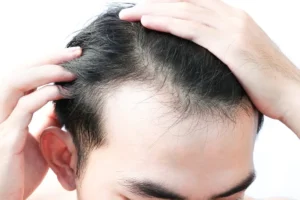
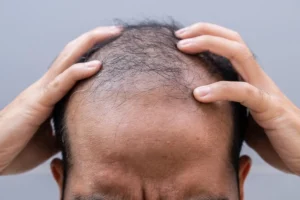
Female Pattern Hair Loss (FPHL) makes hair thin, mainly on the crown. This results in hair loss on top of head female. Genetics, hormonal changes, and other factors play a role. The drop in estrogen during menopause can also cause hair to thin.
The science behind FPHL is about hair follicles getting smaller. This makes hairs finer and shorter. Hormonal changes and genetics drive this process.
Common Causes Beyond Genetics
Genetics are a big part of FPHL, but other things cause hair loss too. Hormonal changes, like the drop in estrogen during menopause, are a big factor. Thyroid disorders, autoimmune diseases, and certain hairstyles can also cause hair loss.
Hair loss can be a sign of a health problem. Knowing the causes is key to managing it.
Recognizing Female Hair Loss Patterns
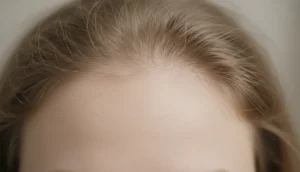
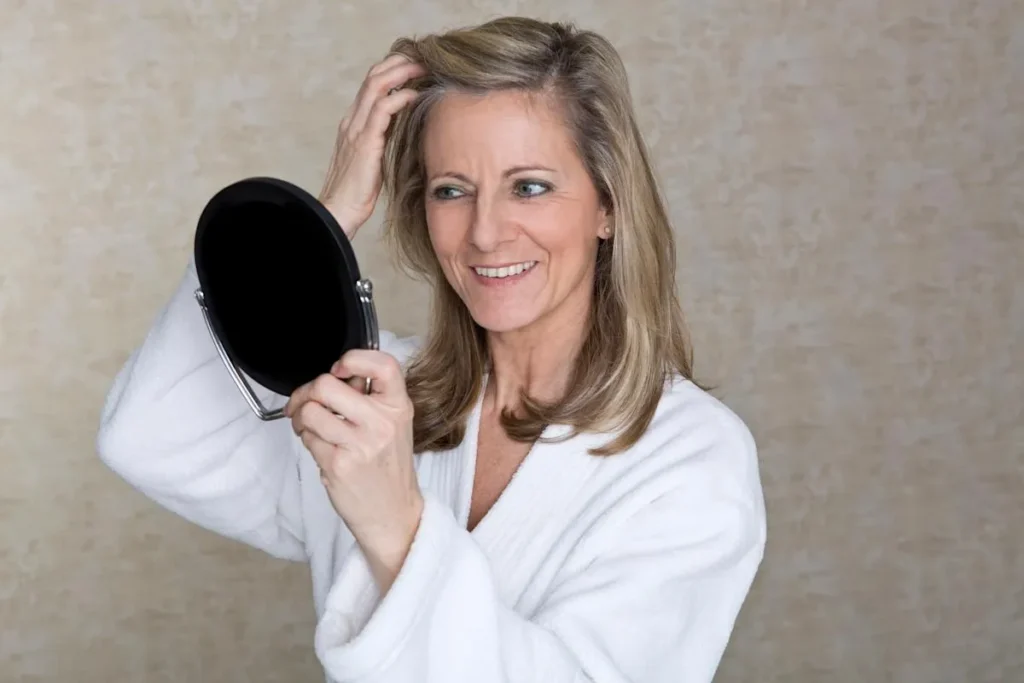
Spotting hair loss patterns early is important. FPHL usually shows as thinning on the crown, not bald spots. But, some women might see balding female patterns. Signs include a wider part or more hair falling out when combing or washing.
Spotting these signs early can help slow down hair loss. Women should watch for these changes and see a doctor if they notice a lot of thinning.
Effective Treatments and Solutions
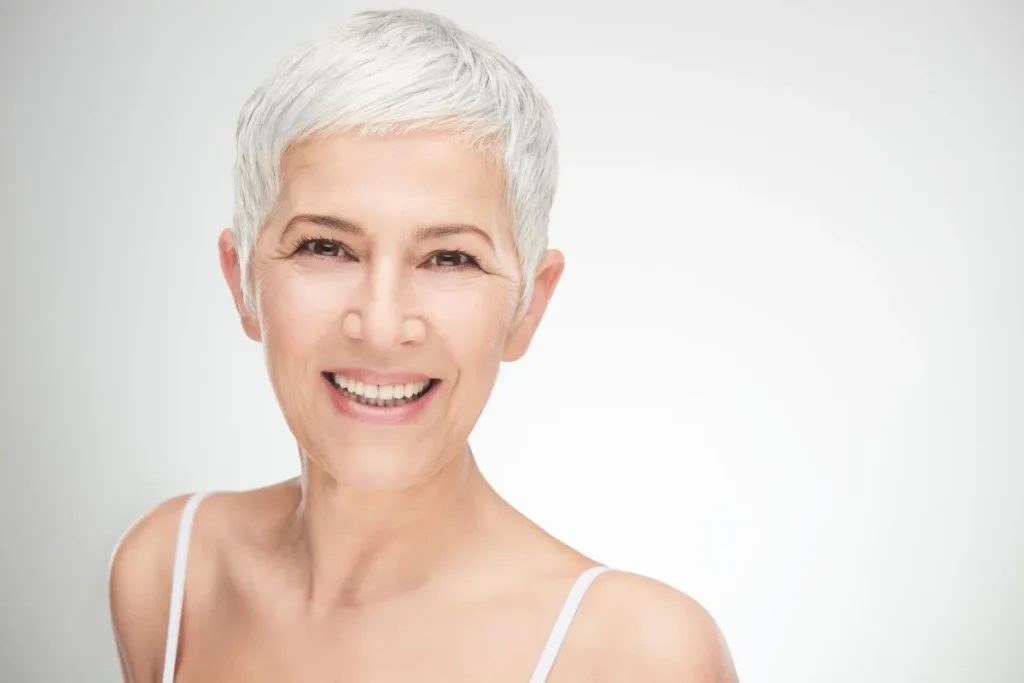
Managing hair loss in women over 50 is possible with medical treatments, lifestyle changes, and nutrition. It’s important to know your options to make good choices.
Medically-Proven Interventions
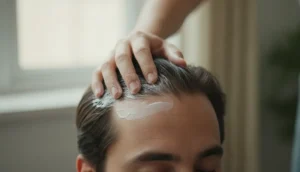
There are many treatments for hair loss in women. Minoxidil is a scalp solution that helps hair grow and slows loss. Finasteride is also used, though more in men. Hormone Replacement Therapy (HRT) helps with hair loss and menopause symptoms.
Non-Prescription Approaches
There are also non-medical ways to help hair health. Eating more vitamins and minerals, like biotin and vitamin D, can help hair grow. Avoiding heat styling and using gentle hair products also helps. Omega-3 fatty acids supplements are good for hair health too.
Ne Zaman Profesyonel Yardım Alınmalı?
It’s key to know when to see a doctor for hair loss. If hair loss is sudden, severe, or with other symptoms, get professional advice. A healthcare professional or dermatologist can offer personalized help.
Sonuç
Dealing with hair loss in women over 50 needs a full plan. It’s important to know the causes, spot early signs, and look into treatments. If you’re losing hair, getting help from a pro is key to finding out why.
Acting fast is vital for women over 50 with hair loss. A mix of medical care, lifestyle changes, and good nutrition can help. If you’re worried about losing hair, seeing a doctor is a smart move.
Women can fight hair loss and feel better by being proactive. Knowing what treatments are out there helps women take charge of their hair. This way, they can avoid losing a lot of hair.
SSS
Female Pattern Hair Loss
Female pattern hair loss, or androgenetic alopecia, is a common condition characterized by a thinning of the hair primarily on the top and crown of the scalp. Unlike men, women rarely go completely bald; instead, the “part” in their hair gradually widens while the front hairline usually remains intact.
Hair Loss in Women Over 50
Hair loss in women over 50 is frequently driven by the drop in estrogen and progesterone levels during menopause, which allows male hormones called androgens to have a stronger effect on hair follicles. This hormonal shift often leads to follicles shrinking, resulting in hair that grows back finer, shorter, and eventually stops growing altogether.
Hereditary Nature of Hair Loss
Yes, hair loss in women is strongly hereditary and can be inherited from either the mother’s or father’s side of the family. Genetic predisposition determines how sensitive your hair follicles are to hormonal changes, which dictates the timing and severity of thinning as you age.
Early Signs of Hair Loss
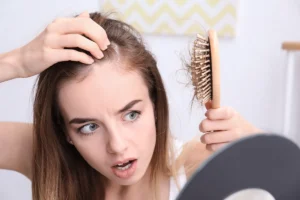
The earliest signs of hair loss in women include a widening of the center part or noticing that a ponytail feels significantly thinner than it used to. You may also see more hair than usual on your pillow, in the shower drain, or stuck in your hairbrush after routine styling.
Treatments for Pattern Hair Loss
The most common medical treatments include topical minoxidil, which stimulates blood flow to the follicles, and prescription medications like spironolactone to block the effects of androgens. Low-level laser therapy and platelet-rich plasma (PRP) injections are also popular clinical options to encourage hair density and regrowth.
Non-Prescription Approaches
Non-prescription approaches include using volumizing shampoos, scalp massages to improve circulation, and switching to silk pillowcases to reduce mechanical breakage. Many women also find success using high-quality hair fibers or tinted scalp powders to instantly camouflage thinning areas while waiting for other treatments to work.
Preventing Further Hair Loss
To prevent further loss, avoid high-tension hairstyles like tight braids or buns that can lead to traction alopecia and permanent follicle damage. Protecting your scalp from UV rays and reducing the use of high-heat styling tools can also preserve the structural integrity of the hair you currently have.
Seeking Professional Help
You should seek professional help if your hair loss is sudden, patchy, or accompanied by an itchy or painful scalp, as these may indicate an underlying medical issue. A dermatologist or trichologist can perform a scalp biopsy or blood tests to determine if the loss is due to genetics, stress, or a nutrient deficiency.
Hormone Replacement Therapy (HRT)
Hormone replacement therapy can sometimes help with hair loss by stabilizing the estrogen levels that drop during menopause, which indirectly protects hair follicles. However, its effectiveness varies, and it is usually prescribed to treat overall menopausal symptoms rather than as a primary treatment for hair thinning alone.
Nutritional Supplements for Hair
Supplements containing biotin, marine collagen, iron, and vitamin D can support hair health by providing the essential building blocks for keratin production. While they cannot “cure” genetic hair loss, they ensure that the hair being produced is as strong and healthy as possible by correcting internal deficiencies.
Referanslar
National Center for Biotechnology Information. Evidence-Based Medical Insight. Retrieved from https://pubmed.ncbi.nlm.nih.gov/35357365/