

Thinning hair and noticeable hair loss can be upsetting, more so for women in their 40s. About 40% of women see hair thinning by age 50. This makes it a common worry.
Hormonal changes and genetics are the main reasons for this issue. Knowing these causes is key to finding good treatments. With a caring approach, like dermatology services, women get help that fits their needs.
Dealing with thinning hair needs a full plan that looks at how it affects women emotionally. By trying proven treatments, women can feel better about how they look.
Önemli Çıkarımlar
Thinning hair affects a significant percentage of women by age 50.
Hormonal changes and genetics are key factors in hair thinning.
A patient-centered approach is important for effective treatment.
Understanding the causes is the first step towards finding a solution.
Compassionate, evidence-based treatments can help restore confidence.
Understanding Female Hair Loss in 40s: Why It Happens
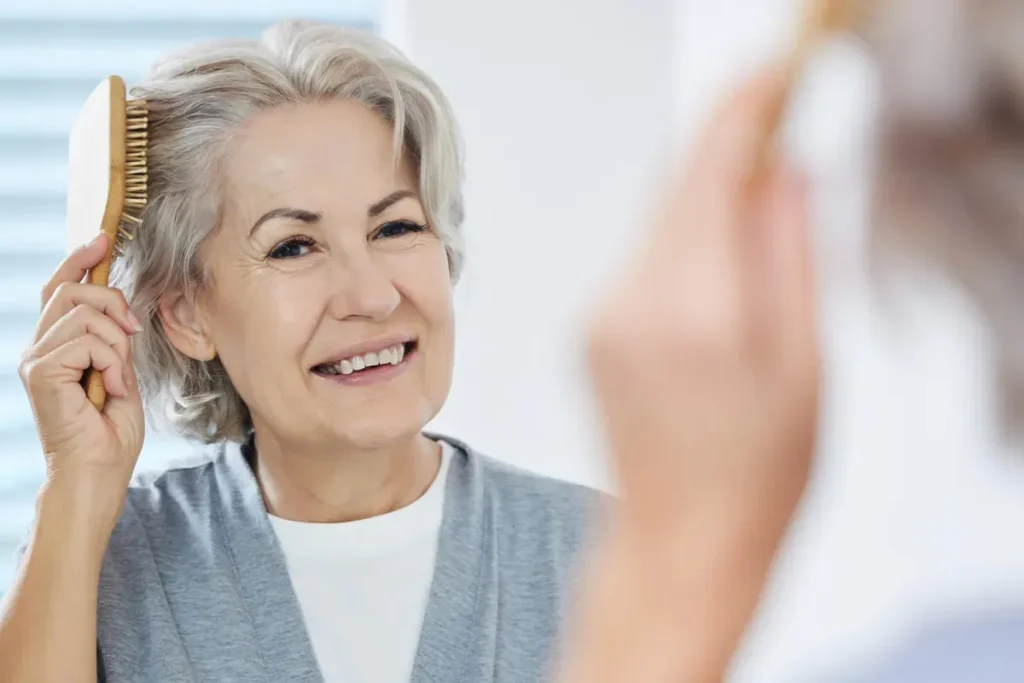
Hair thinning in women in their 40s often comes from hormonal changes. As women age, estrogen levels go down, and androgen hormones go up. This hormonal shift is a natural part of aging, happening during the perimenopause phase.
The Hormonal Shift During Perimenopause
Perimenopause brings big changes in hormones. The drop in estrogen is key because it helps hair grow. “Estrogen keeps hair in the growth phase longer, making it thicker and healthier,” says Medical Expert, a top dermatologist.
As estrogen levels fall, hair growth changes. This leads to thinner hair. Androgens also play a role, causing hair follicles to shrink. This makes hairs finer and shorter, leading to thinner hair, often on the crown.
Common Thinning Patterns in Women vs. Men
Men and women thin their hair differently. Men often see a receding hairline and balding on the crown. Women usually notice thinning at the front or all over the scalp.
Women keep their hairline but experience thinning all over. This makes their hair look less dense. Knowing these patterns helps find the right treatment.
Statistics: You’re Not Alone
Many women over 40 thin their hair. About 40% of women notice hair loss by 50. “Hair loss is a big worry for women, affecting how they feel about themselves,” a study found.
Knowing why hair thinning happens helps women find solutions. By understanding hormonal, genetic, and environmental factors, women can manage their hair loss.
Professional Solutions to Reverse Hair Thinning

Professional treatments can help a lot with hair thinning in women over 40. There are many effective options out there. It’s important to know about them to make good choices.
Medically-Proven Treatments
There are several treatments proven to work for hair thinning in women. Minoxidil is a popular one. It helps hair grow and slows down loss. You can buy it without a prescription and it works well, studies show.
Finasteride is more common in men but can be used in women too. It’s for those with a specific type of hair loss.
“Minoxidil has changed the game for many women with thinning hair,” says a top dermatologist. “It’s easy to use and can work better with other treatments.”
In-Office Procedures for Hair Restoration
In-office treatments are another option. Platelet-rich plasma (PRP) therapy is one. It involves injecting PRP, made from your own blood, into your scalp. PRP has growth factors that help hair grow.
PRP therapy is popular because it can help hair grow back and make existing hair stronger. It doesn’t take long to recover and is safe if done right.
Diagnostic Tests Worth Requesting
It’s key to know why you’re losing hair before starting treatment. Tests like a Scalp Biopsy or Blood Tests can find out. They check for hormonal problems, nutrient gaps, or other health issues that might be causing hair loss.
A scalp biopsy can spot conditions like alopecia areata.
Blood tests can show if you have hormonal or vitamin/mineral issues that affect hair.
By using professional treatments and getting diagnostic tests, women can make a solid plan to fight hair thinning.
Everyday Strategies to Combat Female Hair Loss in 40s
Dealing with hair loss in your 40s needs a mix of diet changes, gentle hair care, and smart styling. These steps help manage thinning hair and make your hair look healthier and fuller.
Nutrition and Supplements for Hair Growth
Eating well is key for healthy hair. Foods packed with omega-3s, zinc, and biotin boost hair growth. Important nutrients for hair include:
Iron: Red meat, spinach, and fortified cereals carry oxygen to hair follicles.
Vitamin C: Citrus fruits, berries, and greens help make collagen, strengthening hair.
Biotin: Nuts, eggs, and whole grains are full of biotin, a B-complex vitamin for hair growth.
Supplements can help if your diet lacks these nutrients. Talk to a healthcare expert about adding biotin, vitamin B, or keratin to your routine.
Hair Care Techniques That Prevent Further Damage
Soft hair care stops more damage to thinning hair. Here’s how to do it:
Reduce heat styling: Use heat tools less or protect your hair with a spray.
Use gentle products: Pick shampoos and conditioners without sulfates, made for your hair type.
Be gentle when combing: Use a wide-tooth comb or detangling brush gently, starting from the ends.
Styling Products and Methods for Fuller-Looking Hair
The right styling products and methods can greatly improve thinning hair’s look. Here are some tips:
By adding these strategies to your daily routine, you can fight female hair loss in your 40s. Enjoy healthier, fuller-looking hair.
Sonuç
Understanding why women’s hair thins is key to solving the problem. This is true for those with a thinning hairline or front hair loss.
Hormonal changes during perimenopause can lead to hair thinning. But, there are many treatments and strategies to help.
Women can find effective ways to fight thinning hair. This includes proven treatments, in-office procedures, and simple hair care. Nutrition and supplements also help promote hair growth.
For women with thinning hairlines or front hair loss, there’s hope. The right approach can help regain confidence and make hair look fuller.
Combining professional solutions with everyday strategies can manage hair loss. This improves overall hair health.
SSS
Causes of Thinning on the Crown
Thinning on the crown in women is most commonly caused by androgenetic alopecia, where hair follicles shrink due to a genetic sensitivity to dihydrotestosterone (DHT). Other factors include chronic stress, which can trigger telogen effluvium, or tight hairstyles that put constant tension on the top of the head.
Thinning Hair in the 40s
It is quite common for women in their 40s to notice hair thinning as perimenopause begins and estrogen levels start to fluctuate or decline. While it is a normal physiological shift for many, significant or sudden loss should be evaluated to ensure it is not related to thyroid issues or iron deficiency.
Best Treatments for Female Hair Loss
The most effective medical treatments include topical minoxidil to stimulate follicle activity and prescription medications like spironolactone to manage hormonal influences. Clinical procedures such as Platelet-Rich Plasma (PRP) therapy and low-level laser therapy (LLLT) are also highly regarded for increasing hair density.
Preventing Damage and Promoting Growth
To prevent damage, limit the use of high-heat styling tools and avoid chemical treatments like perms or harsh bleaches that weaken the hair shaft. Promoting growth involves maintaining a healthy scalp environment through regular cleansing and incorporating scalp massages to increase blood flow to the follicles.
Styling Tips for Thinning Hair
Opting for shorter, layered haircuts can create the illusion of more volume and prevent the hair from looking weighed down and flat. Using tinted dry shampoos or scalp powders can effectively camouflage the scalp in thinning areas, while root-lifting sprays add necessary height and texture.
Nutritional Supplements and Thinning
Supplements containing biotin, zinc, iron, and marine collagen can improve the quality of the hair being produced if you have an existing nutritional gap. While they are not a cure for genetic thinning, they ensure the hair shaft is as thick and resilient as possible by supporting keratin production.
Determining the Underlying Cause
To find the root cause, a dermatologist will typically perform a physical exam, a “pull test,” and blood work to check hormone levels, ferritin, and thyroid function. In some cases, a scalp biopsy may be necessary to distinguish between permanent pattern hair loss and temporary shedding caused by illness or stress.
Referanslar
National Center for Biotechnology Information. Evidence-Based Medical Insight. Retrieved from https://pubmed.ncbi.nlm.nih.gov/31051064/





