
Minoxidil, known as Rogaine, is a well-known treatment for hair loss. But, some people worry that it might make their hair loss worse because of the initial shedding.
Can rogaine cause hair loss? Discover the scary results of the shedding phase and learn amazing, powerful ways to get incredible hair growth.
Studies show that this shedding is actually a good sign. It means Rogaine is working. It opens up blood vessels in the scalp, helping to grow new, healthier hair.
It’s important to understand how Rogaine affects hair loss. This article will explain how Rogaine works and what you can expect while using it.
Önemli Çıkarımlar
Rogaine can cause temporary hair shedding, but it’s a normal part of the treatment process.
Minoxidil works by opening up blood vessels in the scalp, promoting hair growth.
Initial shedding is a sign that Rogaine is working to replace weakened hair with new growth.
Understanding the science behind Rogaine can help users stay confident in their treatment.
Rogaine is a popular and effective treatment for hair loss.
Understanding Rogaine and How It Works
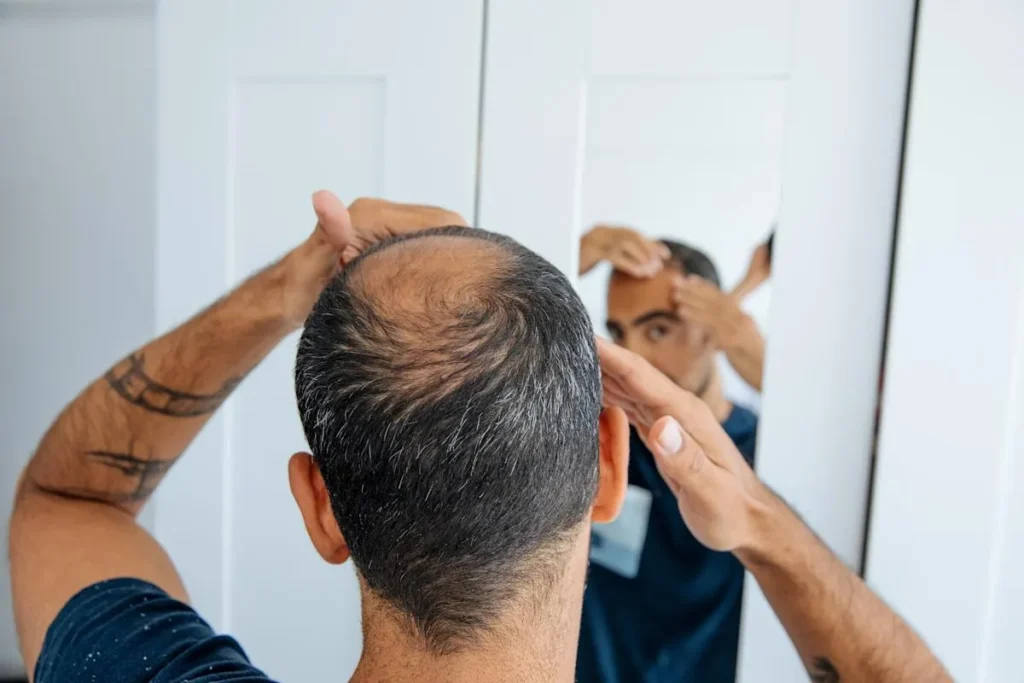
To understand if Rogaine causes hair loss, we need to know what it’s made of and how it works. Rogaine is a topical solution applied to the scalp. Its main ingredient is minoxidil.
What is Rogaine (Minoxidil)?
Rogaine, or minoxidil, was first used to treat high blood pressure. But, it was found to also promote hair growth. This made it useful for treating androgenetic alopecia, or male and female pattern baldness.
Minoxidil works by widening the blood vessels in the scalp. This lets more oxygen, nutrients, and blood reach the hair follicles. This makes the hair follicles grow thicker and healthier.
The Science Behind Hair Growth Cycles
Hair growth happens in cycles with three phases: anagen (growth), catagen (transitional), and telogen (resting). Knowing these phases helps us understand how minoxidil affects hair growth.
The anagen phase is when hair grows.
The catagen phase is a short phase where hair growth stops.
The telogen phase is the resting phase, lasting about three months, after which hair falls out.
Minoxidil shortens the telogen phase. This makes weaker hairs fall out and makes room for new hair growth. This initial shedding is a sign the treatment is working, as it means a new growth cycle is starting.
Can Rogaine Cause Hair Loss? The Shedding Phase Explained

Many people worry about Rogaine causing hair loss. Rogaine, or minoxidil, is a scalp treatment that helps hair grow and slows loss. Some users see more hair falling out at first.
The Mechanism of Minoxidil-Induced Shedding
When you start Rogaine, you might lose more hair at first. This isn’t a sign it’s not working. It means the treatment is actually doing its job.
The shedding happens because Rogaine shortens the telogen phase. This makes weaker hairs fall out, making room for new, stronger ones.
The shedding phase is a normal part of the hair growth cycle when using Rogaine. It’s important to remember that after shedding, new hair will grow. These new hairs are usually healthier and stronger.
Statistics: How Common is Rogaine Shedding?
About 18 percent of people using Rogaine see more hair loss at first. This shows that shedding is a common side effect.
Knowing about shedding can help you prepare for Rogaine treatment. Shedding can vary from person to person.
Persistence is key when using Rogaine. Keep using it as directed. The shedding phase is usually followed by thicker, fuller hair.
Timeline and Expected Results of Rogaine Treatment
Knowing what to expect from Rogaine treatment can really help. Rogaine, or minoxidil, is a well-known fix for hair loss. But, it’s key to know its timeline to manage your hopes.
When Shedding Typically Begins and Ends
Shedding starts between two to eight weeks after starting Rogaine. This first shedding phase can be scary, but it’s normal. It usually stops in a few weeks as your body gets used to the treatment.
Timeline of Shedding:
Normal vs. Concerning Hair Loss
It’s important to tell normal shedding from worrying hair loss. Normal shedding is just a phase, but worrying hair loss is too much or lasts too long. If hair loss keeps going after a few months, see a doctor.
Signs of Concerning Hair Loss:
Excessive hair shedding beyond the initial phase
Persistent hair loss despite consistent treatment
Significant balding or thinning
Long-Term Results After the Shedding Phase
Most people see better hair density and growth after four to six months of Rogaine. Long-term results can vary, but many keep seeing hair growth with ongoing treatment.
Improved hair density
Enhanced hair growth
Sustained results with continued use
Sonuç
Rogaine is a well-known treatment for hair growth. It can cause temporary hair shedding, but this is normal. Knowing how Rogaine works and what to expect can help ease worries and make treatment more positive.
People often ask, “Does Rogaine make you lose hair?” or “Will Rogaine make your hair fall out?” The truth is, initial shedding is a common reaction. It shows that Rogaine is working to stimulate hair growth.
With regular use, most people see big improvements in hair density and growth after four to six months. Understanding that shedding is a normal part of the process helps users stay confident. They know that “Rogaine can make your hair fall out” at first, but it leads to thicker, healthier hair in the end.
SSS
Rogaine and Initial Hair Loss
Rogaine does not cause permanent hair loss, but it is famous for causing a temporary “dread shed” during the first few weeks of application. This process is a necessary part of the medication’s function, as it clears out old, weak hairs to make room for a new cycle of stronger and thicker hair growth.
Why Rogaine Causes Shedding
Shedding occurs because Rogaine shifts hair follicles from the telogen (resting) phase into the anagen (growth) phase prematurely. When the follicle starts a new growth cycle, it must first eject the existing hair shaft, which leads to a temporary increase in hair fall as the scalp “resets” itself.
Frequency of Shedding
Increased shedding is a very common experience for Rogaine users, affecting a significant portion of people who start the treatment. While the intensity varies from person to person, most users should expect to see at least a slight increase in the amount of hair in their brush or shower drain initially.
Shedding Timeline
Shedding typically begins within two to six weeks of starting the treatment and usually subsides by the end of the second month. Once this transition period is over, the shedding stops and the follicles begin to produce the new, more robust hairs that provide increased scalp coverage.
Shedding as a Positive Indicator
Shedding is actually a sign that Rogaine is working effectively, as it proves your hair follicles are responding to the medication. If the drug were not influencing your hair cycle, you would not see the synchronized release of old hairs that characterizes the initial shedding phase.
Timeline for Visible Results
It generally takes between three to six months of consistent, twice-daily use to see visible improvements in hair density and thickness. Because hair grows slowly, you must look past the initial shedding phase and allow several months for the new, stimulated hairs to reach a noticeable length.
Normal Shedding vs. Concerning Loss
Normal Rogaine shedding is diffuse and occurs shortly after starting the drug, whereas concerning hair loss might involve inflamed skin, scabbing, or patches that do not improve after several months. If you experience burning, severe redness, or shedding that lasts longer than three months, you should consult a dermatologist.
Long-Term Hair Retention
You will not lose your hair forever by using Rogaine; in fact, the treatment is designed to help you keep your hair for longer than you would without it. However, if you discontinue use, the hair follicles will eventually return to their natural thinning pattern, and any hair gained from the product will be lost.
Minoxidil and Shedding
Minoxidil, the active ingredient in Rogaine, is the direct cause of the shedding as it acts as a vasodilator that alters the follicular environment. This shedding is an expected pharmacological response and is documented across all brands and generic versions of topical minoxidil.
Normality of Increased Fall
It is completely normal and medically expected to experience increased hair fall when you first integrate Rogaine into your routine. As long as the hair loss is not accompanied by a painful rash or systemic illness, it is simply a sign that your scalp is undergoing a productive transition to a healthier growth cycle.
Referanslar
National Center for Biotechnology Information. Evidence-Based Medical Insight. Retrieved from https://pubmed.ncbi.nlm.nih.gov/10534634/