
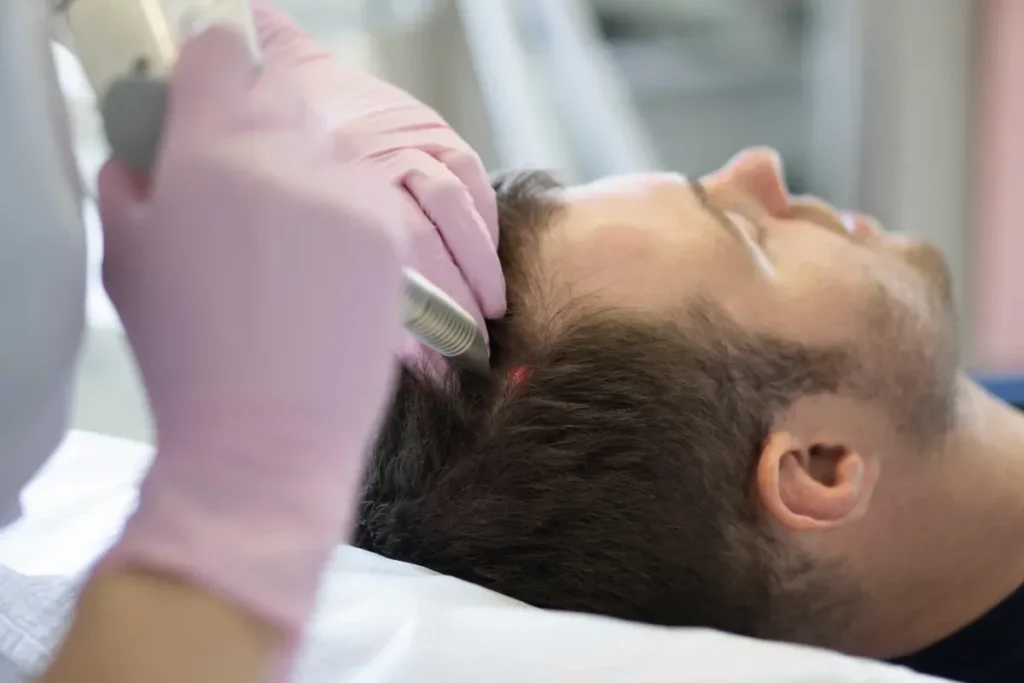
Scalp health is key for strong, vibrant hair. Yet, scalp inflammation often goes unnoticed until it’s too late.
This condition affects 25 to 70 percent of people. It can slow down hair growth, cause pain, and even lead to permanent hair loss if not treated.
Knowing the causes and signs of inflammatory scalp is vital for treatment. At gold city hair, we offer a detailed guide on how to treat scalp inflammation. We cover the causes, symptoms, and treatment options.
Önemli Çıkarımlar
Scalp inflammation affects a significant portion of the population.
It can cause discomfort, flaking, and hair loss.
Understanding the causes and symptoms is key for treatment.
Effective treatment means finding the root cause.
Our guide offers 7 effective steps to treat scalp inflammation.
Understanding Scalp Inflammation
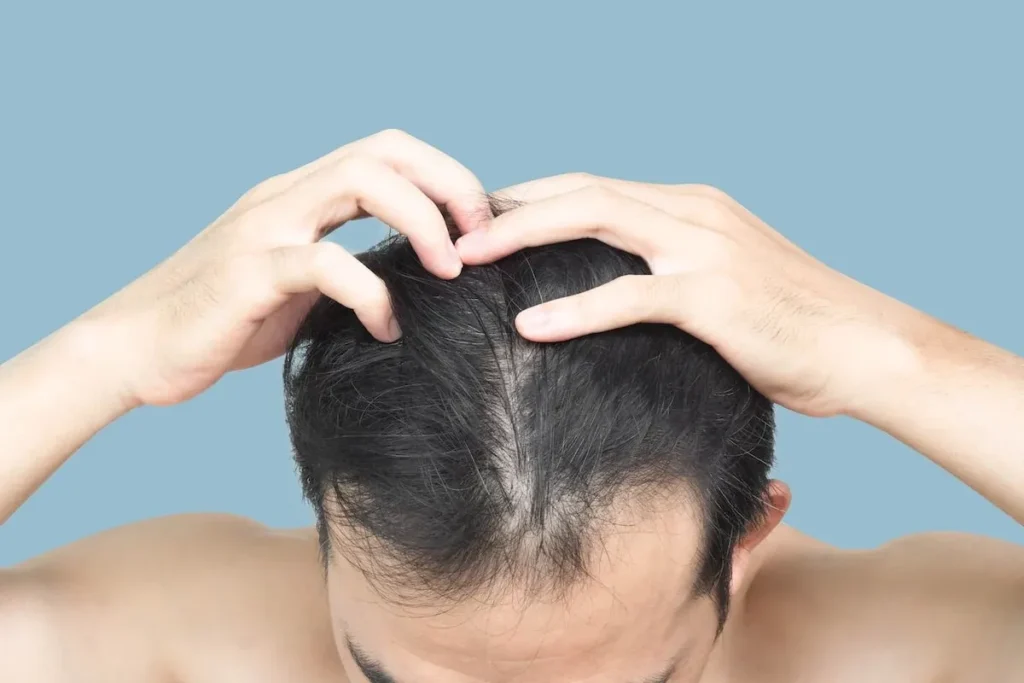
It’s important to know what causes and shows scalp inflammation. This is key for treating it and avoiding long-term harm. Scalp inflammation can affect the scalp’s health and hair growth.
What Is Scalp Inflammation?
Scalp inflammation makes the scalp red, swollen, and irritated. It can be caused by seborrheic dermatitis, psoriasis, folliculitis, and fungal infections. Each condition needs its own treatment.
Seborrheic dermatitis causes flaky skin and redness. Psoriasis leads to thick, scaly patches. Folliculitis makes hair follicles inflamed, causing itchy, pus-filled bumps. Fungal infections cause widespread inflammation and discomfort.
Common Symptoms to Recognize
Knowing the symptoms of scalp inflammation is important. Look for redness, swelling, itching, and flaky or scaly skin. Some people may also feel tenderness or pain on their scalp.
These symptoms can be different in everyone. They might also lead to hair loss in severe cases. It’s vital to watch for these signs and get medical help if they don’t get better or get worse.
The Link Between Inflammation and Hair Loss
Scalp inflammation and hair loss are closely linked. Chronic inflammation can harm hair follicles, causing hair loss. When the scalp is inflamed, it can mess up the hair growth cycle, making hair fall out early.
It’s vital to treat the inflammation to stop hair loss. By doing so, you can help create a healthy environment for hair growth.
7 Effective Steps to Treat Scalp Inflammation
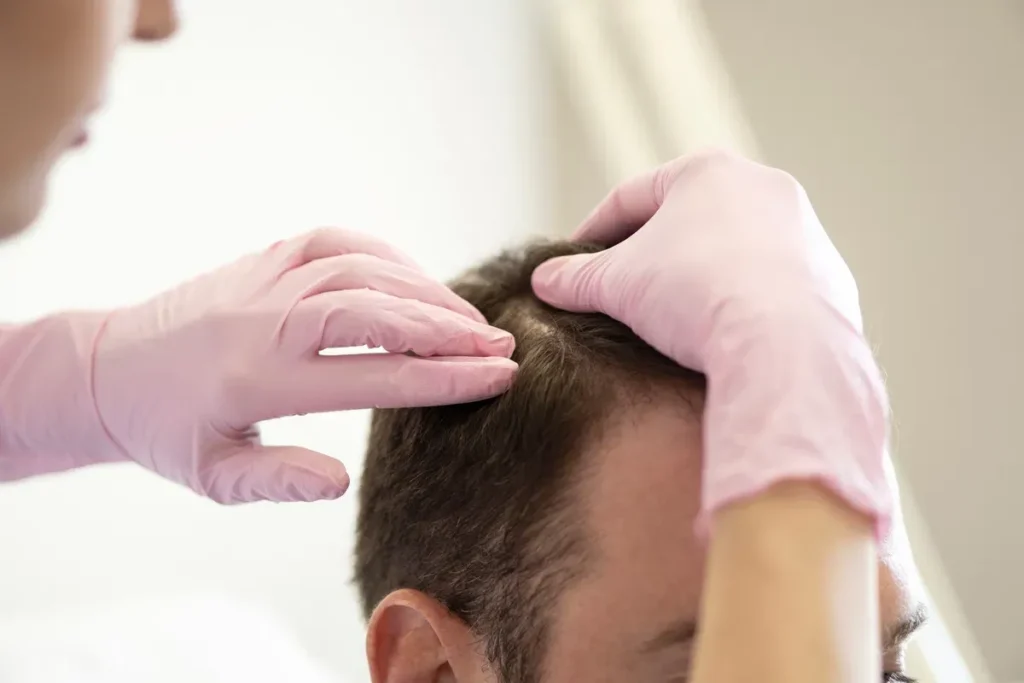
Treating scalp inflammation needs a mix of steps to tackle the causes and symptoms. Knowing what causes scalp inflammation is the first step to treating it.
“The key to managing scalp inflammation lies in identifying and addressing the underlying triggers,” says a leading dermatologist. This means making lifestyle changes, using gentle hair care, and trying specific treatments.
1. Identify and Eliminate Triggering Factors
The first step is to find and get rid of what causes scalp inflammation. Common culprits include harsh hair products, stress, and a bad diet. Switching to gentle, sulfate-free shampoos and avoiding heat styling tools can help reduce irritation.
Managing stress through meditation or yoga is also key. Eating a balanced diet full of omega-3 fatty acids, vitamins, and minerals helps too.
2. Adopt a Gentle Hair Care Routine
Using a gentle hair care routine is vital for managing scalp inflammation. This means using soft shampoos, washing less often, and avoiding harsh chemicals. Gentle massaging of the scalp can also help by increasing blood flow and reducing tension.
3. Use Medicated Shampoos and Treatments
For serious scalp inflammation, medicated shampoos and treatments can help. Shampoos with ketoconazole or zinc pyrithione can fight inflammation and infections.
Topical treatments like corticosteroid creams or lotions can be applied directly to the affected area. In some cases, oral medications may be needed to treat underlying conditions.
4. Apply Natural Anti-Inflammatory Remedies
Natural remedies can also help with scalp inflammation. Ingredients like tea tree oil, aloe vera, and coconut oil have anti-inflammatory properties.
Tea tree oil is known for its antifungal and antibacterial properties. It’s a popular choice for scalp conditions. But, it’s important to mix tea tree oil with a carrier oil to avoid irritation.
By following these 7 steps, people can manage scalp inflammation and keep their scalp healthy.
Conclusion: Maintaining a Healthy Scalp Long-Term
Keeping your scalp healthy is a long-term effort. It involves preventing inflammation and encouraging hair growth. By following the 7 steps in this article, you can reduce scalp inflammation and lower the risk of hair loss.
To fight scalp inflammation, keep up with good scalp care. Use gentle hair products and apply natural remedies when needed. This proactive approach helps keep your scalp healthy and promotes hair growth.
Reducing scalp inflammation takes time and dedication. By following these tips daily, you can keep your scalp healthy. This leads to a full, healthy head of hair.
SSS
What causes scalp inflammation?
Scalp inflammation can be caused by infections, dandruff, psoriasis, eczema, allergic reactions, or irritation from hair products.
What are the symptoms of scalp inflammation?
Symptoms include redness, itching, tenderness, flaking, swelling, and sometimes pain or bumps.
Can scalp inflammation cause hair loss?
Yes, chronic inflammation can weaken hair follicles and lead to temporary or permanent hair loss.
How can I treat scalp inflammation?
Use medicated shampoos, topical corticosteroids, antifungal treatments, and follow a dermatologist’s guidance.
What are some natural remedies for scalp inflammation?
Aloe vera, coconut oil, tea tree oil, and chamomile compresses can help soothe the scalp.
How can I prevent scalp inflammation?
Maintain scalp hygiene, avoid harsh hair products, manage stress, and treat underlying conditions promptly.
Can stress cause scalp inflammation?
Yes, stress can trigger or worsen scalp inflammation and associated hair shedding.
How to reduce scalp inflammation?
Use gentle cleansers, anti-inflammatory shampoos, avoid scratching, and apply soothing natural remedies.
What is the link between scalp inflammation and hair loss?
Inflammation can damage hair follicles, slow hair growth, and cause shedding or thinning over time.
Referanslar
National Center for Biotechnology Information. Evidence-Based Medical Insight. Retrieved from https://pmc.ncbi.nlm.nih.gov/articles/PMC12768642/





