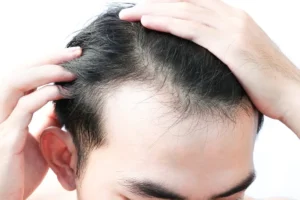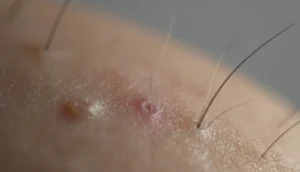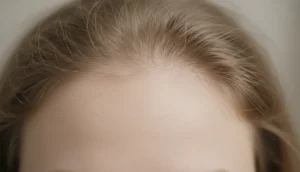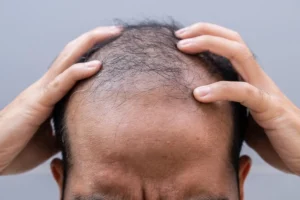
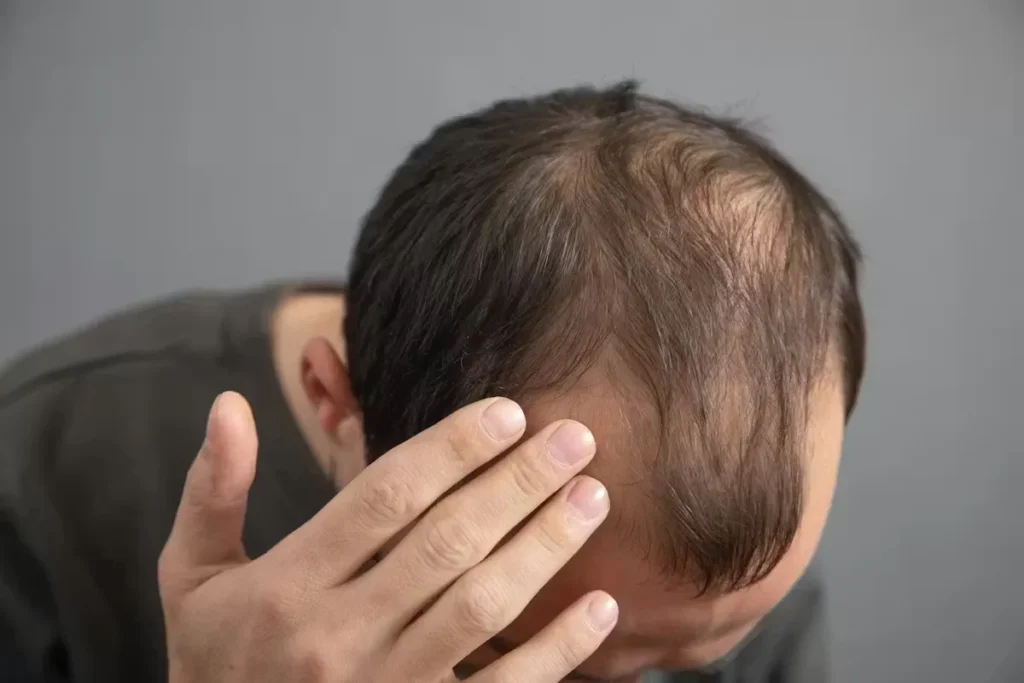
Scarring alopecia is a tough condition where hair follicles get destroyed by inflammation. This damage is permanent. Unlike regular hair loss, scarring alopecia needs special care and quick action to stop more harm.
Knowing the different types of scarring alopecia is key for the right treatment. It can greatly affect people, so it’s important to tackle it fast.
Önemli Çıkarımlar
Scarring alopecia is a group of conditions that lead to permanent hair follicle destruction.
Early diagnosis and treatment are critical to preventing further damage.
There are 7 distinct types of scarring alopecia, each with unique causes and symptoms.
Specialized expertise is required to effectively manage scarring alopecia.
Prompt intervention can significantly impact the outcome of treatment.
Understanding Scarring Alopecia
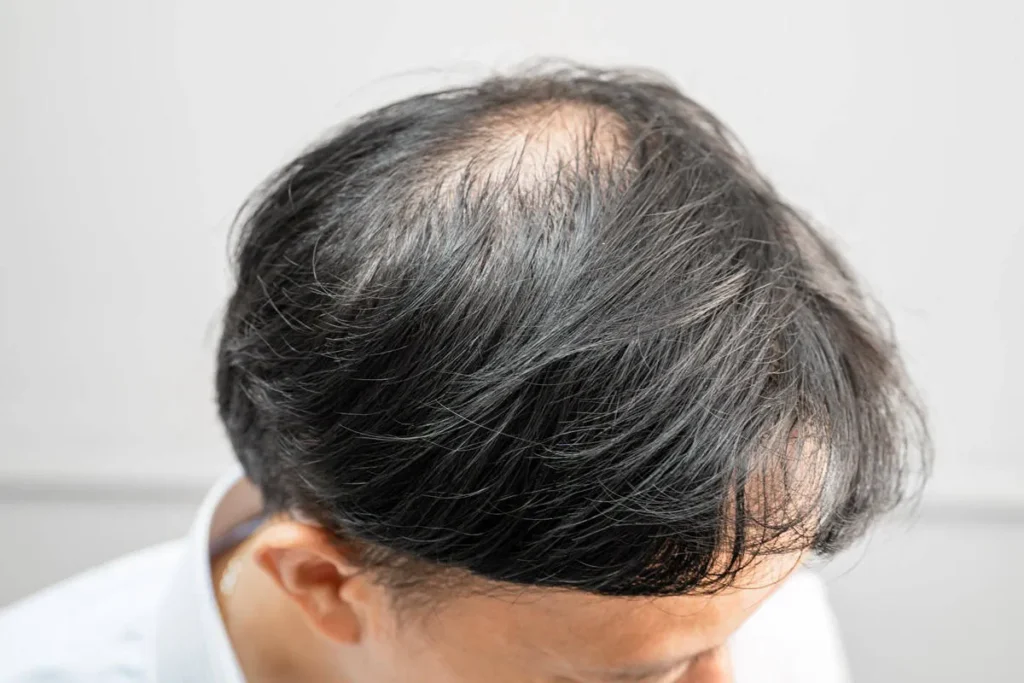
Scarring alopecia, also known as cicatricial alopecia, is a rare condition. It destroys hair follicles and replaces them with scar tissue. This leads to permanent hair loss.
What Is Cicatricial Alopecia?
Cicatricial alopecia is a group of rare disorders. They destroy hair follicles and replace them with scar tissue. This results in permanent hair loss, as the scar tissue does not support hair growth.
Permanent vs. Non-Permanent Hair Loss
Unlike non-permanent hair loss, scarring alopecia causes permanent damage. The main difference is that non-permanent hair loss can regrow. But scarring alopecia destroys the follicle, making regrowth impossible.
The table below shows the main differences between permanent and non-permanent hair loss:
General Causes and Risk Factors
Scarring alopecia can be caused by many factors. These include genetic predisposition, autoimmune diseases, and external factors like infections or physical damage to the scalp. Knowing these causes and risk factors is key for early diagnosis and treatment.
Some common causes and risk factors include:
Autoimmune diseases
Infections such as fungal or bacterial infections
Physical trauma to the scalp
Genetic predisposition
Identifying these risk factors helps in early detection and management of scarring alopecia.
The 7 Types of Hair Loss Scarring Alopecia
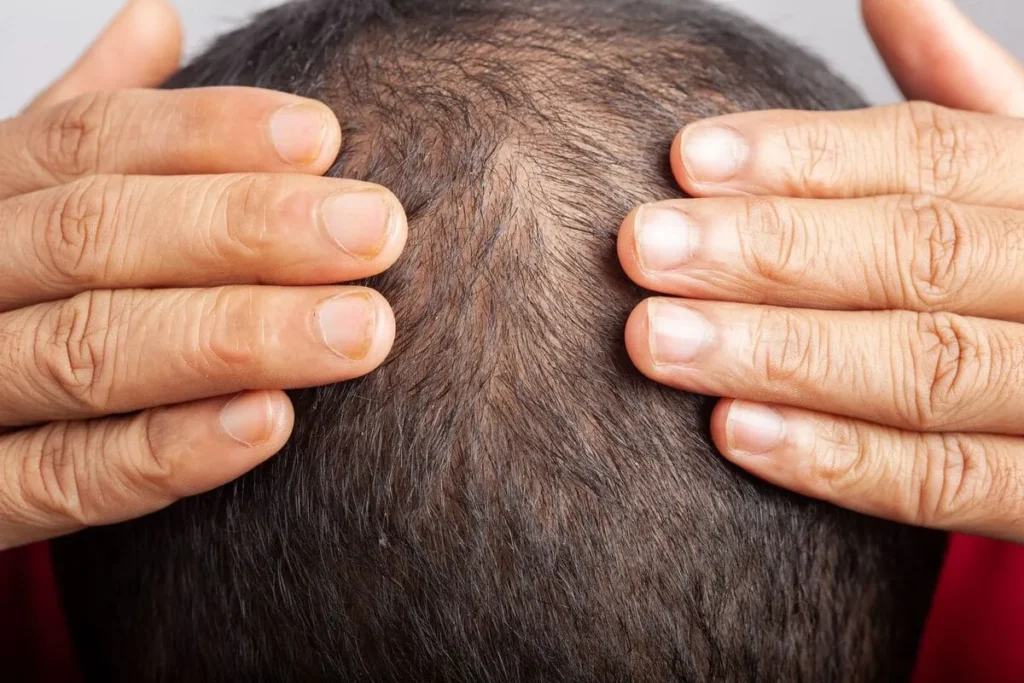
Scarring alopecia is not just one condition. It’s a group of hair loss disorders with different features. Knowing these types is key for the right diagnosis and treatment.
Lichen Planopilaris: The Most Common Form
Lichen Planopilaris (LPP) is a common scarring alopecia. It causes inflammation around hair follicles, leading to scarring and permanent hair loss. Symptoms include itching, redness, and keratosis pilaris on the body.
Central Centrifugal Cicatricial Alopecia (CCCA)
CCCA mainly affects women of African descent, starting at the crown. It causes hair loss to spread gradually, often with tenderness and itching. Hairstyling practices that put tension on hair follicles are risk factors.
Frontal Fibrosing Alopecia (FFA)
FFA is a type of LPP that mainly affects postmenopausal women. It causes a band-like recession of the frontal hairline and often leads to eyebrow loss. The condition is marked by inflammation and scarring, causing permanent hair loss.
Folliculitis Decalvans
Folliculitis Decalvans is a rare condition. It causes scarring alopecia due to recurrent folliculitis. Symptoms include pustules, crusting, and erythema. Treatment often involves antibiotics and anti-inflammatory medications.
The other three types of scarring alopecia are Dissecting Cellulitis of the scalp, Discoid Lupus Erythematosus (DLE), and Pseudopelade of Brocq. Each has unique characteristics and needs specific treatments.
Diagnosis and Treatment Approaches
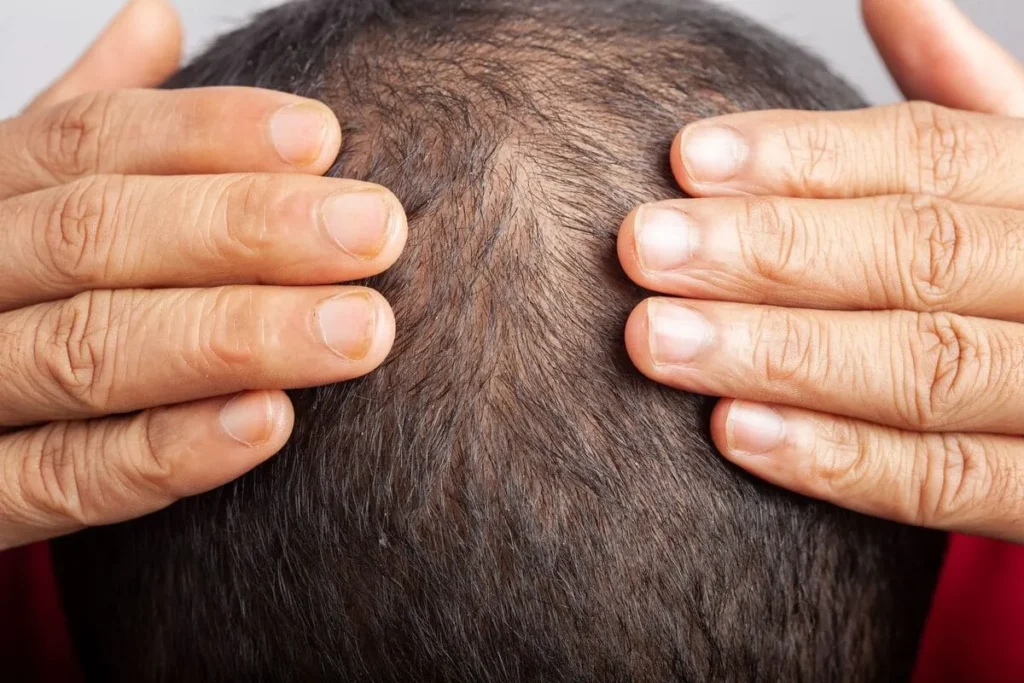
Diagnosing scarring alopecia involves several steps. First, a doctor will examine the scalp and use tests to find the cause. Knowing the cause is key to choosing the right treatment.
Clinical Evaluation Methods
Doctors start by looking closely at the scalp. They check for signs of inflammation and scarring. A dermatologist might use a special tool to see the scalp and hair follicles better.
They also ask about your medical history. This helps them understand what might be causing the hair loss. It’s important to find out if it’s scarring alopecia or something else.
Scalp Biopsy and Other Tests
Sometimes, a scalp biopsy is needed to confirm the diagnosis. This means taking a small piece of scalp tissue for a closer look. It helps find scarring and inflammation.
Doctors might also do blood tests. These tests check for other conditions that could be causing hair loss. This helps them create a complete treatment plan.
Anti-Inflammatory Medications
Treatment often includes anti-inflammatory medications. These help reduce inflammation and stop scarring. They can be applied to the scalp or taken by mouth, depending on the case.
Corticosteroids are often used to fight inflammation.
For more severe cases, other drugs that suppress the immune system might be prescribed.
Topical and Systemic Treatments
Doctors may also suggest topical treatments to help hair grow back and reduce scarring. These include minoxidil and other products that promote hair growth.
Systemic treatments are used for widespread or severe cases. These treatments aim to address the root cause of scarring alopecia and stop further hair loss.
Getting a diagnosis and starting treatment early is very important. Understanding how to diagnose and treat scarring alopecia helps people manage their condition better. This way, they can work towards keeping their hair.
Sonuç
Scarring alopecia is a serious condition that causes permanent hair loss. It happens when hair follicles are destroyed. Knowing the different types, like lichen planopilaris and frontal fibrosing alopecia, is key to managing it well.
Getting an early diagnosis and treatment is critical to stop more hair loss. Doctors use scalp biopsies and other tests to diagnose scarring hair loss. Treatment may include anti-inflammatory drugs and specific treatments for each type of scarring alopecia.
Female scarring alopecia is very important to address quickly. It can greatly affect how a person looks and feels about themselves. Knowing about scarring alopecia and its effects can help people get help early, which may reduce hair loss.
To manage scarring alopecia well, it’s important to understand the condition, how it’s diagnosed, and the treatment options. Getting professional help is essential. This way, people can manage scarring alopecia and lessen its impact.
SSS
What is scarring alopecia?
Scarring alopecia is permanent hair loss where hair follicles are destroyed and replaced by scar tissue.
What are the different types of scarring alopecia?
Common types include lichen planopilaris, frontal fibrosing alopecia, discoid lupus, folliculitis decalvans, and central centrifugal cicatricial alopecia.
What causes scarring alopecia?
It is caused by inflammatory or autoimmune conditions, infections, or other diseases that damage hair follicles.
How is scarring alopecia diagnosed?
Diagnosis involves a dermatologist exam, scalp biopsy, and sometimes blood tests to identify the underlying cause.
What are the treatment options for scarring alopecia?
Treatments aim to slow progression and include topical or oral corticosteroids, immunosuppressants, antibiotics, retinoids, and gentle scalp care.
Can scarring alopecia be cured?
No, lost hair cannot usually grow back, but early treatment can prevent further hair loss.
What is the difference between scarring and non-scarring alopecia?
Scarring alopecia permanently destroys hair follicles, while non-scarring alopecia (like telogen effluvium) does not damage follicles and hair can regrow.
Are there any pictures or images of scarring alopecia available?
Yes, dermatology resources and medical websites provide clinical images showing patchy hair loss with scarring and redness.
How does scarring alopecia affect the scalp?
It can cause redness, tenderness, scaling, bumps, permanent bald patches, and scar formation.
Is scarring alopecia more common in certain populations?
Some types, like central centrifugal cicatricial alopecia, are more common in women of African descent, while others affect men and women of various ethnicities.
Referanslar
National Center for Biotechnology Information. Evidence-Based Medical Insight. Retrieved from https://pmc.ncbi.nlm.nih.gov/articles/PMC8698437/