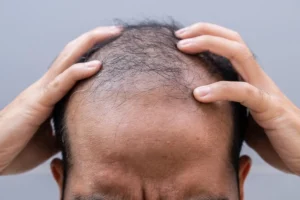
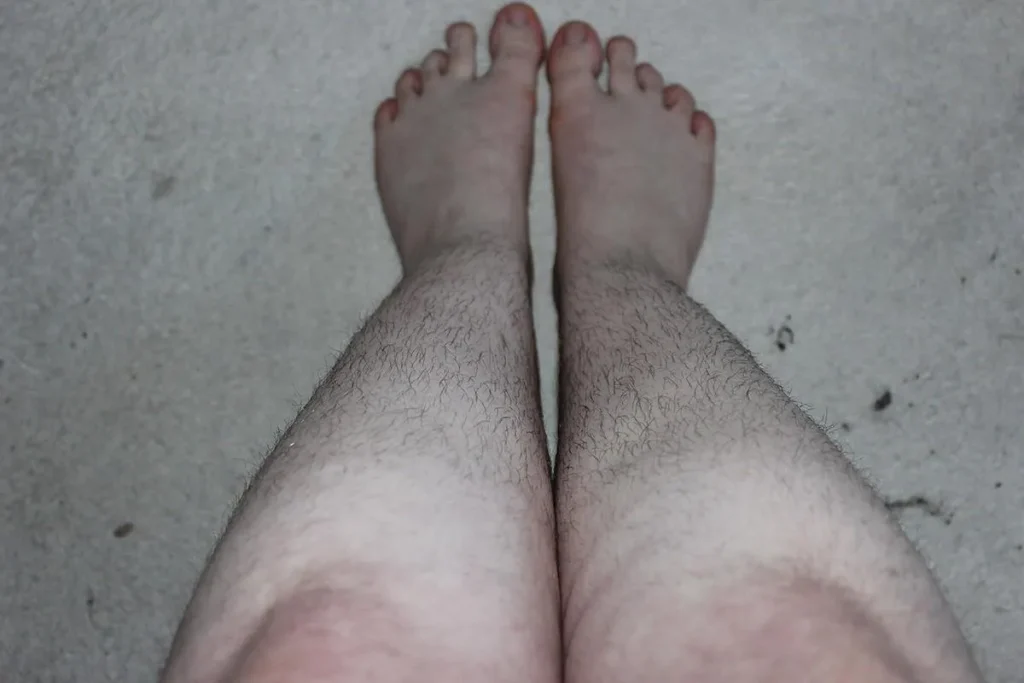
Anterolateral leg alopecia, or hair loss on legs, is a common issue for men. It’s estimated that up to 35 percent of men may face this problem at some point.
This condition isn’t caused by one health issue. Instead, it’s a term for many medical conditions, both harmless and serious. These conditions lead to leg hair loss in males.
To tackle hair loss on legs effectively, we need a detailed approach. We must consider all the factors that might cause this issue.
Önemli Çıkarımlar
Anterolateral leg alopecia affects up to 35 percent of men.
It’s a condition that encompasses various underlying health issues.
Effective treatment requires understanding the underlying causes.
Both benign and serious medical conditions can cause leg hair loss.
A thorough approach is needed to address the condition.
Understanding Hair Loss on Legs in Men
Anterolateral leg alopecia, or hair loss on the legs, mainly affects men. It’s interesting to explore why. This condition leads to hair loss on the lower legs, mainly on the outer and front sides.
What is Anterolateral Leg Alopecia?
Anterolateral leg alopecia is hair loss on the outer and front of the lower legs. It’s a type of alopecia linked to vascular issues and hormonal imbalances.
Key characteristics of anterolateral leg alopecia include:
Hair loss on the lower legs, mainly on the outer and front areas
Association with peripheral arterial disease (PAD) in some cases
Potential link to hormonal factors, like androgens
Prevalence and Patterns
Research shows anterolateral leg alopecia is more common in men. Both men and women can get it, but men are more often affected. This is due to hormonal, vascular, and lifestyle factors.
The prevalence of lower leg hair loss in men is significant. Certain groups are at higher risk due to age, smoking, and diabetes.
Why Men Are More Susceptible Than Women
Men are more likely to lose leg hair because of hormone levels. They have higher androgen levels and lower estrogen levels. Androgens can disrupt hair growth, leading to loss in areas like the legs.
Other factors include:
Vascular risk factors, like smoking and high blood pressure, which can harm leg circulation
Lifestyle factors, such as clothing choices that might affect leg circulation or cause friction
Age-related changes that impact hair growth and density
Understanding these factors is key to tackling men’s leg hair loss effectively.
Common Causes of Male Leg Hair Loss
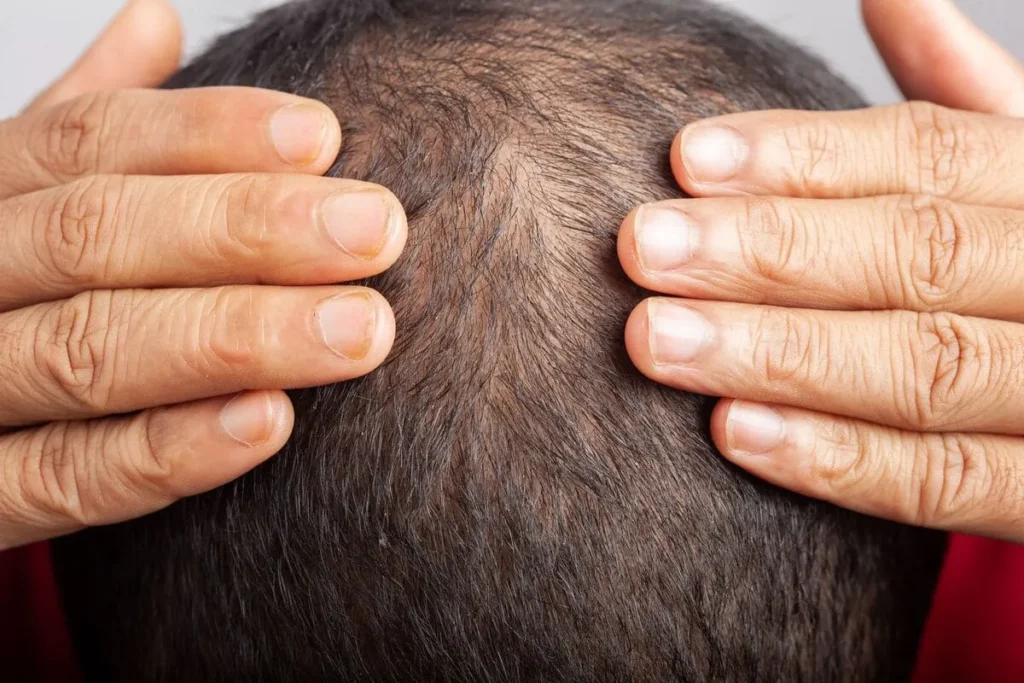
Male leg hair loss can come from many sources, like aging or health problems. Knowing what causes it helps find the right solution.
Age-Related Factors
As men get older, their hair growth hormones go down. This can lead to less hair on the legs. Aging is a big reason why hair growth slows down because hair follicles work less well over time.
Circulation and Vascular Issues
Poor blood flow and vascular problems can also cause hair loss on the legs. Issues like peripheral artery disease (PAD) can cut off blood to the legs, hurting hair growth. Getting better blood flow through exercise or doctor’s help might help.
Dış Faktörler
Things like tight clothes can also cause hair loss on the legs. The constant rubbing can harm hair follicles, making hair fall out. Wearing looser clothes can help avoid this problem.
Medical Conditions
Some health issues, like thyroid problems or autoimmune diseases, can cause hair loss on the legs. For example, alopecia areata is an autoimmune disease that can make hair fall out all over, including the legs. Fixing the health issue is key to stopping the hair loss.
In summary, male leg hair loss has many causes. It’s important to find out why it’s happening to fix it. Whether it’s because of age, blood flow, external factors, or health problems, knowing the cause helps find the right solution.
Diagnosis and Treatment Options for Leg Hair Loss
Figuring out why you’re losing hair on your legs is key. Doctors look for signs of peripheral artery disease (PAD). This includes weak pulses and skin changes in men with leg hair loss.
There are ways to treat hair loss on your lower legs. This might include fixing health issues, making lifestyle changes to improve blood flow, or even minor procedures. For alopecia areata on legs, doctors might prescribe medications to help hair grow back and reduce swelling.
If you’re a man losing hair on your lower legs, see a doctor. They can find out why and help you find a treatment. Knowing why you’re losing hair is important for managing it well.
By tackling the reasons for lower leg alopecia, you can find treatments to help your hair grow back. This can also improve your leg’s health, lowering the chance of more hair loss.
SSS
What is anterolateral leg alopecia?
Anterolateral leg alopecia is the gradual loss of hair on the front and sides of the lower legs, commonly seen in men as they age.
Why do men lose leg hair as they age?
Hair loss on the legs is usually due to aging, reduced blood flow, and decreased hair follicle activity over time.
Is hair loss on the legs a sign of an underlying medical condition?
In most cases it is benign, but it can sometimes indicate circulation problems, thyroid issues, or other medical conditions.
Can clothing friction cause hair loss on the legs?
Yes, repeated friction from tight clothing, socks, or shoes can contribute to hair thinning or localized hair loss.
How is anterolateral leg alopecia diagnosed?
Diagnosis is typically clinical, based on the pattern of hair loss and ruling out other causes through medical history and examination.
Are there any treatment options available for leg hair loss?
Treatment is usually not necessary as the condition is benign, but improving circulation and reducing friction may help.
Can lower leg alopecia be treated with medication?
There are no standard medications for anterolateral leg alopecia since it is generally harmless and cosmetic.
Is male leg hair loss reversible?
Hair regrowth is uncommon because the follicles naturally thin with age, so this type of leg hair loss is usually permanent.
Referanslar
National Center for Biotechnology Information. Evidence-Based Medical Insight. Retrieved from https://pmc.ncbi.nlm.nih.gov/articles/PMC4154156/