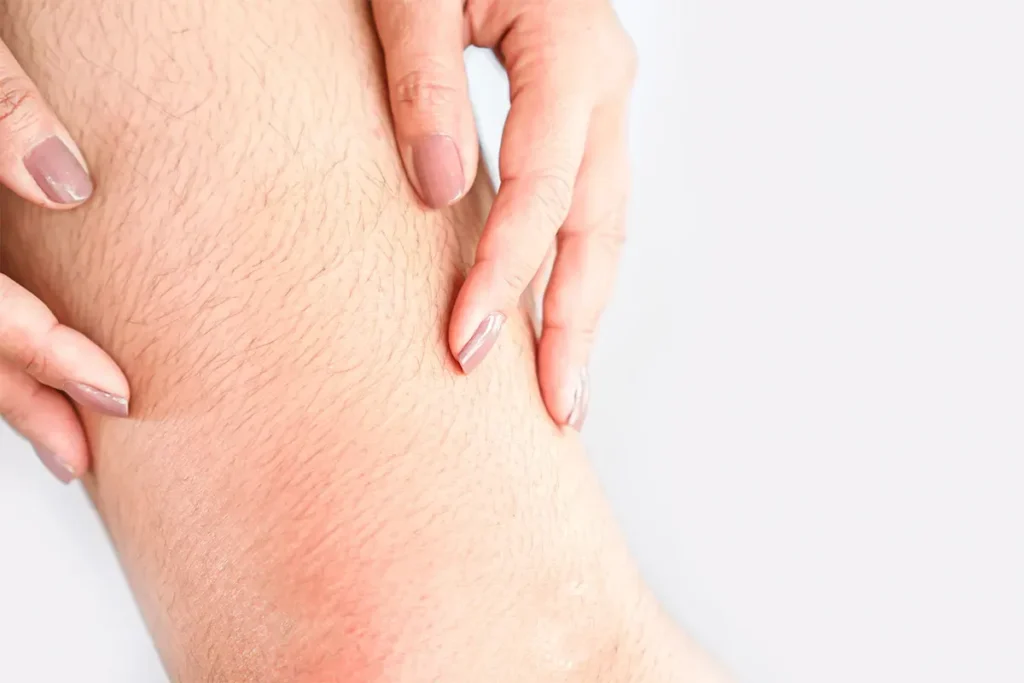
Hair loss on the lower legs is called anterolateral leg alopecia. It affects many people. It’s not just one health problem but many causes, from simple to serious
Why am i losing hair on my lower legs female? Discover the amazing truth and find powerful, incredible ways to stop scary thinning hair.
Hair loss on the legs worries many. Knowing why it happens is key. At Gold City Hair, we focus on you to find and fix leg hair issues.
Önemli Çıkarımlar
Hair loss on the lower legs is known as anterolateral leg alopecia.
This condition can be caused by a variety of health issues.
Understanding the underlying causes is essential for proper diagnosis and treatment.
A patient-centered approach is critical for effective treatment.
Many factors lead to hair loss on the legs.
Understanding Lower Leg Hair Loss

Losing hair on the lower legs is more common than you might think. It’s important to understand why it happens. Several factors can cause this, including medical conditions, nutritional deficiencies, and lifestyle choices.
What is Anterolateral Leg Alopecia?
Anterolateral leg alopecia is hair loss on the lower legs, mainly on the front sides. It’s often linked to peripheral arterial disease (PAD). PAD narrows arteries, reducing blood flow and affecting hair growth. Nutritional deficiencies and certain health issues also play a role.
Hair loss on the lower legs, often bilaterally
Reduced hair growth rate
Thinning or complete loss of hair on the affected areas
Hair Growth Cycles: Leg Hair vs. Scalp Hair
Hair growth cycles differ between leg hair and scalp hair. Scalp hair can grow for up to six years, while leg hair grows for about a month. This makes leg hair more likely to fall out due to factors like reduced blood flow and poor nutrition.
The hair growth cycle has three phases: anagen, catagen, and telogen. Leg hair’s anagen phase is shorter, leading to shorter hair lengths than scalp hair. Knowing these differences is key to addressing hair loss on the lower legs.
Key differences between leg hair and scalp hair growth cycles:
Why Am I Losing Hair on My Lower Legs Female: Causes and Factors
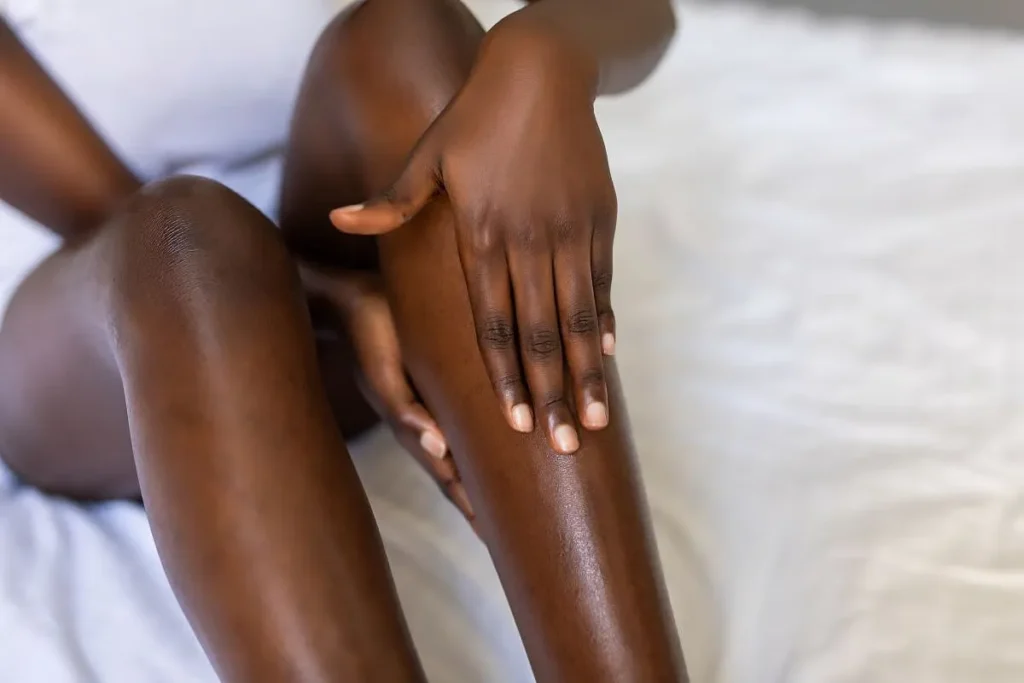
Hair loss on the lower legs in women can be caused by many things. Hormones, health issues, and genetics all play a part. Knowing what causes it is key to finding a solution.
Hormonal Influences in Women
Hormones control hair growth cycles. In women, imbalances can lead to hair loss on the legs. For example, polycystic ovary syndrome (PCOS) can cause hormonal changes that affect hair.
Androgenic hormones, in particular, are known to influence hair growth patterns. An imbalance can result in hair loss or reduction in hair growth on the legs.
Hormonal changes during menopause or other significant life events can also contribute to hair loss. The decrease in estrogen levels during menopause can affect the hair growth cycle, potentially leading to thinner or less hair on the legs.
Medical Conditions Leading to Leg Hair Loss
Many medical conditions can cause hair loss on the lower legs in women. Peripheral arterial disease (PAD) is one, where reduced blood flow to the legs can lead to hair loss. Autoimmune disorders like alopecia areata can also cause hair loss, not just on the scalp but also on other parts of the body, including the legs.
Other medical conditions that might contribute to leg hair loss include thyroid disorders and diabetes. These conditions can affect hair growth either directly or through related hormonal imbalances.
Gender Differences in Leg Hair Loss
While both men and women can experience hair loss on their legs, the underlying causes and prevalence can differ between genders. Hormonal influences are a significant factor in women, whereas in men, conditions like PAD are more commonly associated with leg hair loss.
Understanding these gender differences is essential for diagnosing and treating leg hair loss effectively. Healthcare providers must consider the patient’s overall health, hormonal status, and other factors to determine the cause of hair loss.
Diagnosis and Management of Lower Leg Hair Loss
Lower leg hair loss might signal a health issue that needs doctor’s attention. Knowing the reasons behind it is key to getting the right treatment.
When to See a Doctor
If you notice sudden hair loss on lower legs or losing hair on ankles, see a doctor. They can spot any hidden health problems.
Conditions like peripheral artery disease (PAD) can lead to hair loss. PAD happens when leg arteries narrow or block, cutting off blood flow. Diabetes, thyroid issues, and autoimmune diseases can also cause hair loss.
Diagnostic Approaches
Figuring out hair loss on legs involves a thorough check-up. A doctor will first do a physical exam and ask about your health history. They might run tests like:
The ankle-brachial index (ABI) test to check blood flow
Ultrasound to look at blood vessels
Angiogram to see the arteries
These tests aim to find vascular problems or other causes of hair loss.
Treatment Options and Prevention Strategies
Treatment for lower leg hair loss varies based on the cause. For PAD, treatments might include:
Angioplasty to open narrowed arteries
Stent placement to keep arteries open
Atherectomy to clear out plaque
Living a healthy lifestyle can also prevent hair loss. This means managing diabetes, quitting smoking, and staying active to boost blood flow.
Understanding hair loss legs and arms and getting medical help can help fix the problem. This might even help hair grow back.
Sonuç
Hair loss on the lower legs can be worrying. It’s important to know why it happens to manage it well. Whether it’s due to health issues, hormones, or other reasons, finding the cause is key.
Improving blood flow and treating health problems can help with hair loss. If you see a bald spot or uneven hair, see a doctor. This is true for both men and women with leg hair loss.
Understanding and addressing hair loss on the legs is the first step to better health. By seeking medical help when needed, you can start to fix this issue.
SSS
Why is my leg hair falling out?
Leg hair can fall out due to aging, friction from clothing, hormonal changes, poor circulation, or underlying medical conditions.
Is losing hair on my legs a sign of a serious health issue?
Not usually, but if it’s sudden, patchy, or accompanied by other symptoms, it may indicate circulation problems, thyroid issues, or skin disorders.
Can hormonal changes cause hair loss on my legs?
Yes, changes in hormones like testosterone or thyroid hormones can affect hair growth on the legs.
How is leg hair loss diagnosed?
Diagnosis involves a physical exam, medical history review, and sometimes blood tests to check for hormonal or circulation issues.
Are there any treatment options for hair loss on the lower legs?
Treatment depends on the cause. Improving circulation, addressing hormonal imbalances, or reducing friction may help, but age-related hair loss often has no specific treatment.
Can I prevent hair loss on my legs?
Minimizing friction, maintaining good circulation, eating a balanced diet, and managing underlying health conditions can help slow hair loss.
Is hair loss on the legs more common in women or men?
It is more common in men, especially as they age.
Can I regrow hair on my legs?
Regrowth is possible if the cause is temporary, like friction or a medical condition, but age-related leg hair loss is usually permanent.
Should I be concerned about bald patches on my legs?
Bald patches that appear suddenly, spread quickly, or are accompanied by pain or skin changes should be evaluated by a doctor.
Referanslar
National Center for Biotechnology Information. Evidence-Based Medical Insight. Retrieved from https://pmc.ncbi.nlm.nih.gov/articles/PMC4154156/