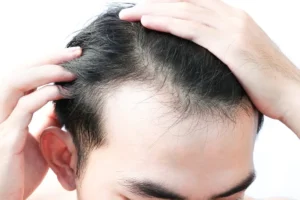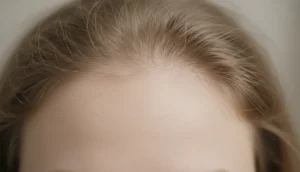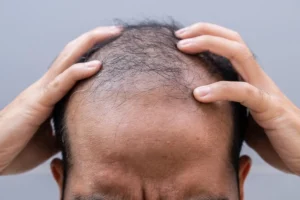
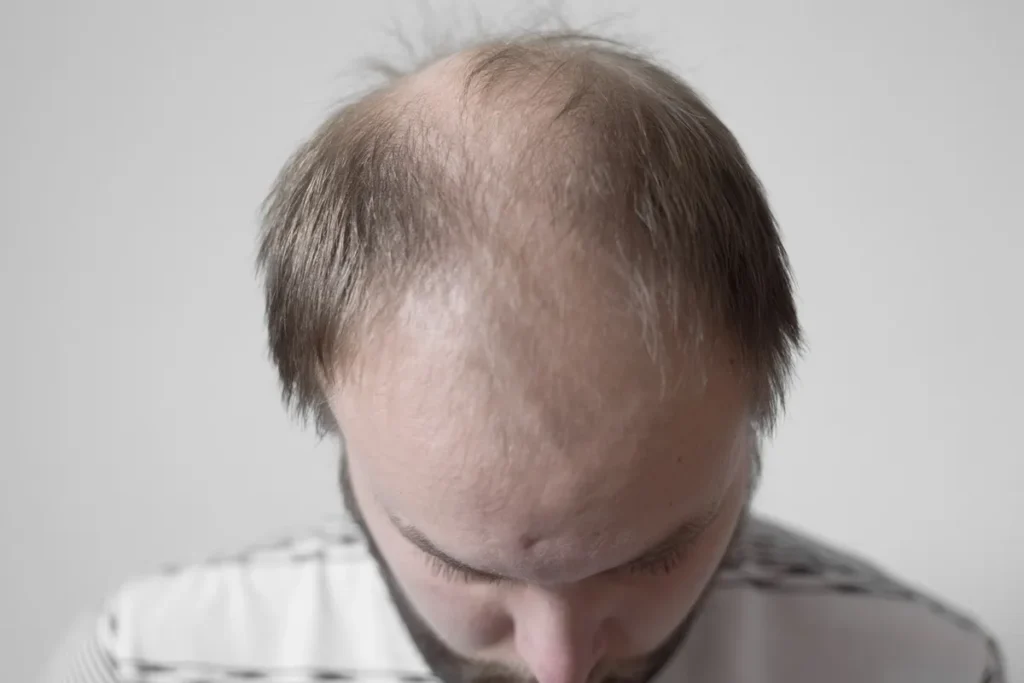
Excessive hair loss can be very upsetting, lasting for months. Chronic telogen effluvium is a condition where hair falls out for more than six months. It mainly hits middle-aged women, but can happen to anyone.
This condition messes with the normal hair cycle. It makes hair fall out more because of stress, illness, or big changes in the body. Knowing what causes and shows telogen effluvium hair loss is important for handling it well.
Unlike the short-term version, chronic telogen effluvium goes on for a long time. It can really upset you. But knowing it can get better can help you feel better.
Önemli Çıkarımlar
Chronic telogen effluvium is a prolonged form of hair loss.
It mainly affects middle-aged women.
The condition is marked by excessive hair shedding lasting over six months.
Stress, illness, or bodily changes can trigger the condition.
Understanding the causes and symptoms is key to managing the condition.
Understanding Chronic Telogen Effluvium
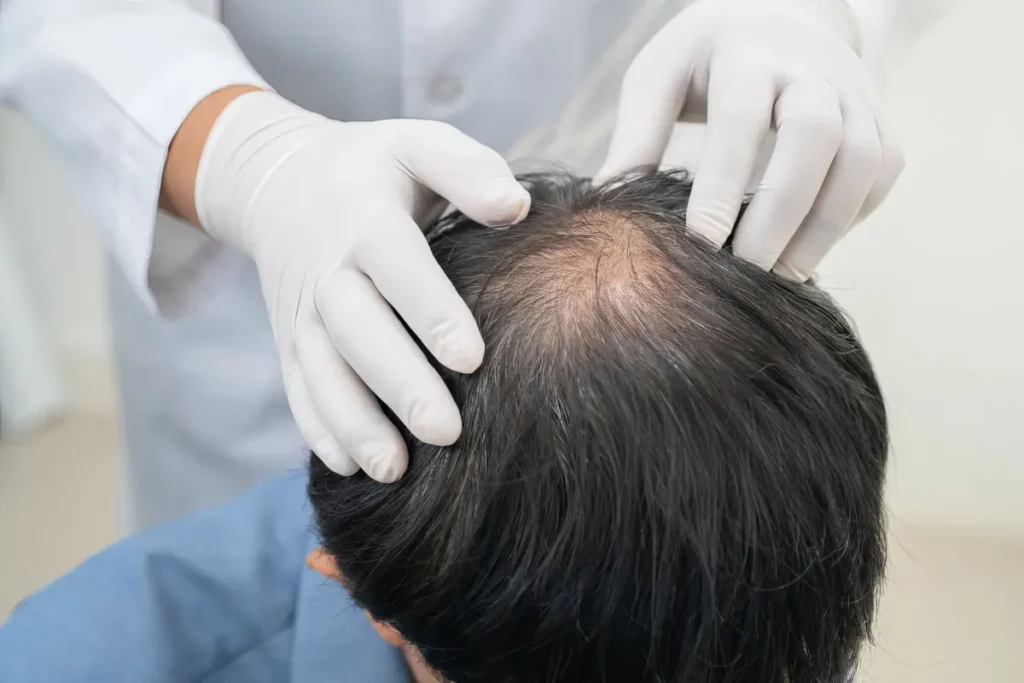
Chronic telogen effluvium is a hair loss condition that lasts a long time. It causes a lot of hair to fall out. This is different from acute telogen effluvium, which doesn’t last as long.
Definition and Characteristics
Chronic telogen effluvium lasts longer than acute telogen effluvium. It happens when more hair follicles stop growing and rest. This leads to a lot of hair falling out.
Key characteristics include:
Prolonged duration of hair shedding
Increased sensitivity of the scalp
Often associated with underlying stressors or health conditions
How It Differs from Acute Telogen Effluvium
Chronic telogen effluvium is different from acute because it lasts longer. Acute telogen effluvium happens after a big shock, like a high fever or surgery. It usually goes away in a few months.
Chronic telogen effluvium keeps going because of ongoing stress or health issues. It’s more complex and needs a detailed plan to treat it.
Knowing the difference is key to managing telogen effluvium. Acute telogen effluvium might get better by itself. But chronic telogen effluvium often needs medical help to fix the root cause.
Causes and Triggers of Chronic Telogen Effluvium

Knowing what causes chronic telogen effluvium is key to managing it. This condition leads to hair falling all over the scalp. It starts showing about two to three months after something stressful happens.
Common Underlying Stressors
Many stressors can start chronic telogen effluvium. These include giving birth, going through severe trauma or illness, or facing big stress in life. Also, having surgery, losing a lot of weight, or scalp skin problems can trigger it.
Childbirth is a big trigger, often causing hair loss a few months later.
Severe trauma or illness can shock the body, leading to hair loss.
Stressful life events, like losing a loved one or big changes, can also contribute.
Hormonal and Nutritional Factors
Hormonal imbalances and not getting enough nutrients are big factors in chronic telogen effluvium. Hormonal changes, like those with thyroid hormones, can mess with hair growth cycles.
Not getting enough iron, zinc, and biotin is also important. Eating right is key for healthy hair growth.
Idiopathic Cases: When No Cause Is Found
In some cases, no cause for chronic telogen effluvium can be found, even after looking hard. These cases are tough to treat.
It’s important to remember that not finding a cause doesn’t mean you can’t manage it. You can develop a treatment plan to help with symptoms and support hair health.
Conclusion: Duration, Management and Prognosis
Chronic telogen effluvium can really affect someone’s life, mainly with e hairloss and changes in the elogen effluvium hairline. It’s important to know about its duration, management, and how it will turn out.
The time it lasts can change, sometimes going on for years. In bad cases, it can last up to ten years. To manage it, you need to tackle the root causes. This might include taking nutritional supplements, managing stress, and finding ways to balance hormones. These steps can help lessen the hair loss.
By tackling these issues, people can deal with elefluvium better. This can help reduce its effects on their hair. The outlook is different for everyone. But, with the right care, many people see good times without the problem. It’s key to work with doctors to create a plan that fits you.
SSS
What is chronic telogen effluvium?
Chronic telogen effluvium is a condition where hair shedding persists for more than six months, often with diffuse thinning across the scalp, while the hair follicles remain intact.
How does chronic telogen effluvium differ from acute telogen effluvium?
Acute telogen effluvium is temporary and usually triggered by a sudden stressor, lasting 3–6 months, whereas chronic telogen effluvium persists longer and may have ongoing or recurring triggers.
What are the common underlying stressors that contribute to chronic telogen effluvium?
Stressors include emotional stress, chronic illness, major surgery, hormonal fluctuations, and certain medications.
Can chronic telogen effluvium be caused by hormonal factors?
Yes, hormonal imbalances like thyroid disorders, postpartum changes, or menopause can contribute to chronic telogen effluvium.
Are there cases of chronic telogen effluvium where no clear cause is identified?
Yes, some cases are idiopathic, meaning no identifiable trigger is found despite evaluation.
How long can chronic telogen effluvium last?
It can last months to several years, though the intensity of shedding may fluctuate over time.
Does chronic telogen effluvium affect the hairline?
Typically, it causes diffuse thinning across the scalp rather than a receding hairline or pattern baldness.
Is chronic telogen effluvium more common in women?
Yes, it is more frequently reported in women, particularly in midlife or after hormonal changes.
Can nutritional deficiencies contribute to chronic telogen effluvium?
Yes, deficiencies in iron, zinc, vitamin D, protein, and other nutrients can trigger or worsen hair shedding.
Is chronic telogen effluvium a permanent condition?
No, it is usually reversible once underlying causes are addressed, though recovery may take several months.
What is the ICD-10 code for chronic telogen effluvium?
The ICD-10 code is L65.9 – Nonscarring hair loss, unspecified, which includes chronic telogen effluvium.
Referanslar
Ulusal Biyoteknoloji Bilgi Merkezi. Kanıta Dayalı Tıbbi Öngörü. Erişim adresi https://pubmed.ncbi.nlm.nih.gov/9238330/