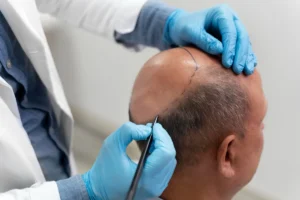
Alopecia areata is a common autoimmune condition that affects millions worldwide. It causes hair loss in distinct patches. Recognizing the early signs is key for effective management.
This condition is marked by round, smooth patches of hair loss. These patches usually appear on the scalp but can also show up on other body parts. Understanding these symptoms is important to know if you have alopecia areata.
If you notice unusual hair loss, it’s important to know when to seek professional help. Early recognition can greatly improve managing the condition.
Önemli Çıkarımlar
Alopecia areata is an autoimmune condition causing patchy hair loss.
It affects approximately 2 percent of the global population.
Early signs include round, smooth patches of hair loss.
Recognizing symptoms early is key for effective management.
Professional evaluation is necessary for diagnosis and treatment.
Understanding Alopecia Areata: An Autoimmune Condition

Alopecia areata is an autoimmune disease. It happens when the body’s immune system attacks its own hair follicles. This leads to hair loss, affecting more than just looks.
What Causes Alopecia Areata?
Alopecia areata is caused by T cell-mediated inflammatory autoimmune mechanisms. It’s when the immune system sees hair follicles as enemies. This makes hair stop growing and fall out.
The exact reasons for this are not fully known. But, genetics and environment seem to play big roles.
Prevalence and Incidence Rates in the United States
In the United States, alopecia areata is quite common. It affects about 0.1% to 0.2% of people at some point. It can start at any age, but often in childhood or young adulthood.
This shows alopecia areata is not rare. It’s important to keep researching it to find better treatments.
Recognizing Small Bald Spots on Head: Primary Signs of Alopecia Areata

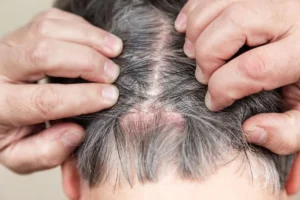
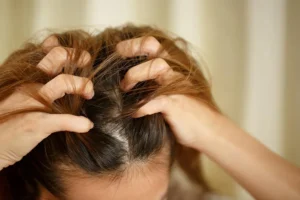
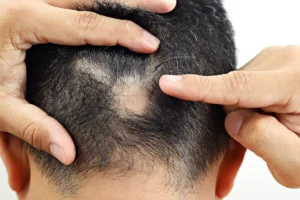
Small bald spots on the head might signal alopecia areata, a condition needing quick action. Look for sudden hair loss in round or oval shapes on the scalp or other parts of the body. These spots are smooth, without any inflammation or scars.
Round, Smooth Patches: The Hallmark Symptom
Alopecia areata often shows up as one or more circular bald patches on the scalp. These patches can appear in just a few weeks. They are smooth to the touch and might feel itchy or tingly.
Early Warning Sensations: Itching, Burning, and Tingling
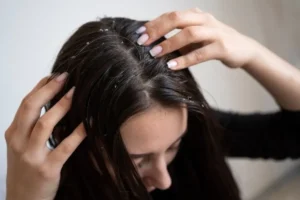
The skin where hair loss happens might feel a bit tingly, itchy, or even mildly painful. These feelings can be early signs of a problem, even before you see bald spots.
Knowing these symptoms is key to catching alopecia areata early. This can help with treatment. Here’s a table that lists the main signs and feelings:
Spotting these signs and feelings early can help treat alopecia areata better.
Progression Patterns and Severity Levels
Alopecia areata has unique patterns and severity levels. Knowing these helps in diagnosing and managing the condition.
From Limited Patches to Advanced Forms
Alopecia areata starts with limited patches of hair loss. This can be scary but usually doesn’t spread much at first. But, it can get worse, leading to alopecia totalis or alopecia universalis. These are when all scalp or body hair falls out.
The condition can change a lot. Hair loss and regrowth can happen at the same time in different places. This makes each person’s experience unique.
Distinguishing Features from Other Hair Loss Conditions
It’s important to tell alopecia areata apart from other hair loss. Look for round, smooth patches of hair loss. Also, watch for nail changes like small dents or pits.
Some people might feel early warning sensations like itching or burning before hair loss. These signs, along with the unpredictable nature of the condition, stress the need for a detailed diagnosis.
Also, colder weather can make hair loss worse for some. Knowing this can help manage the condition better.
Conclusion: Taking Action If You Suspect Alopecia Areata
If you notice small bald spots on your head, it’s key to know if you have alopecia areata. Spotting it early is vital for better results. Look for round, smooth patches on your scalp to see if you need a doctor’s visit.
Wondering if you have alopecia? Watch for itching, burning, or tingling on your scalp. If these feelings last or get worse, see a dermatologist. They can diagnose and suggest treatments like injections, immunotherapy, or minoxidil.
Being told you have alopecia areata might mean you’re at risk for other diseases. Knowing the signs and acting fast can help your treatment work better. If you’re worried about losing your hair, get professional help to find the right treatment.
SSS
What Are Primary Signs of Alopecia Areata?
Smooth, round bald patches on the scalp, beard, or body; possible tingling, itching, or exclamation-point hairs (short, tapered).
How Do I Know If I Have Alopecia Areata?
Consult a dermatologist for smooth bald patches confirmed by exam, hair pull test, or biopsy to rule out other causes.
What Causes Alopecia Areata?
Autoimmune attack on hair follicles, linked to genetics, stress, or environment; exact trigger unclear.
Can Alopecia Areata Be Distinguished from Other Hair Loss?
Yes—smooth, non-scarring patches differ from scaly infections, diffuse thinning, or irregular breaks; dermoscopy or biopsy confirms.
How Does Alopecia Areata Progress?
Patches may expand, merge, or lead to total scalp/body hair loss; spontaneous regrowth possible but often recurs.
What Are Treatment Options for Alopecia Areata?
Corticosteroids, minoxidil, JAK inhibitors (e.g., baricitinib), immunotherapy; best early, no cure.
Are There Early Warning Signs?
Tingling, itching, burning before patches; exclamation-point hairs or nail pitting.
How Common Is Alopecia Areata in the US?
Lifetime prevalence ~2% (6.8 million); peaks ages 25-36, affects all genders/ethnicities equally.
Referanslar
Ulusal Biyoteknoloji Bilgi Merkezi. Kanıta Dayalı Tıbbi Öngörü. Erişim adresi https://www.ncbi.nlm.nih.gov/books/NBK537000/