

Many people struggle to keep their hair long, even when they try their best. Davines explains that keeping hair length means stopping it from breaking, not just growing. A good haircare routine is key for healthy hair and scalp.
Cleaning your hair regularly gets rid of dirt and extra products. Conditioning brings back moisture and protects the hair. By following these simple yet effective practices, you can make your hair better and last longer.
Önemli Çıkarımlar
Length retention is distinct from hair growth and focuses on minimizing breakage.
A fundamental haircare routine is essential for maintaining healthy hair.
Regular cleansing and conditioning are critical components of this routine.
Proper shampooing technique and targeted conditioning can improve hair quality.
Understanding haircare practices empowers individuals to maintain optimal hair health.
Understanding Hair Growth and Length Retention

The journey to longer hair starts with knowing how hair grows and breaks. Hair growth isn’t just about genes; it also depends on how well you keep your hair long. Understanding hair growth cycles is key to keeping your hair long.
The Science Behind Hair Growth Cycles
Hair growth happens in cycles with three phases: anagen, catagen, and telogen. The anagen phase is when hair grows fast. It can last from two to six years or more, based on many factors.
The catagen phase is a short transition that lasts about two weeks. It marks the end of the growth phase. The telogen phase is a resting time that lasts about three months. After this, the hair follicle starts growing again.
Research shows that good hair care can reduce breakage and improve scalp health. Knowing these cycles helps you care for your hair better. This way, you can support growth and reduce loss during rest.
Common Causes of Hair Breakage and Length Loss
Hair breakage is a big challenge for long hair. Causes include too much heat styling, mechanical stress, and chemical damage. Sun exposure and dry air also make hair brittle and breakable.
To fight these problems, a gentle hair care routine is essential. Use moisture-balancing shampoos and conditioners. Try to use less heat styling and protect your hair with styling techniques. This way, you can keep your hair longer.
Also, knowing that genes affect hair growth and texture helps set realistic goals. While genes play a part, good care can improve length retention. This is true even if you have a genetic predisposition.
Key Haircare Practices for Maximum Length Retention
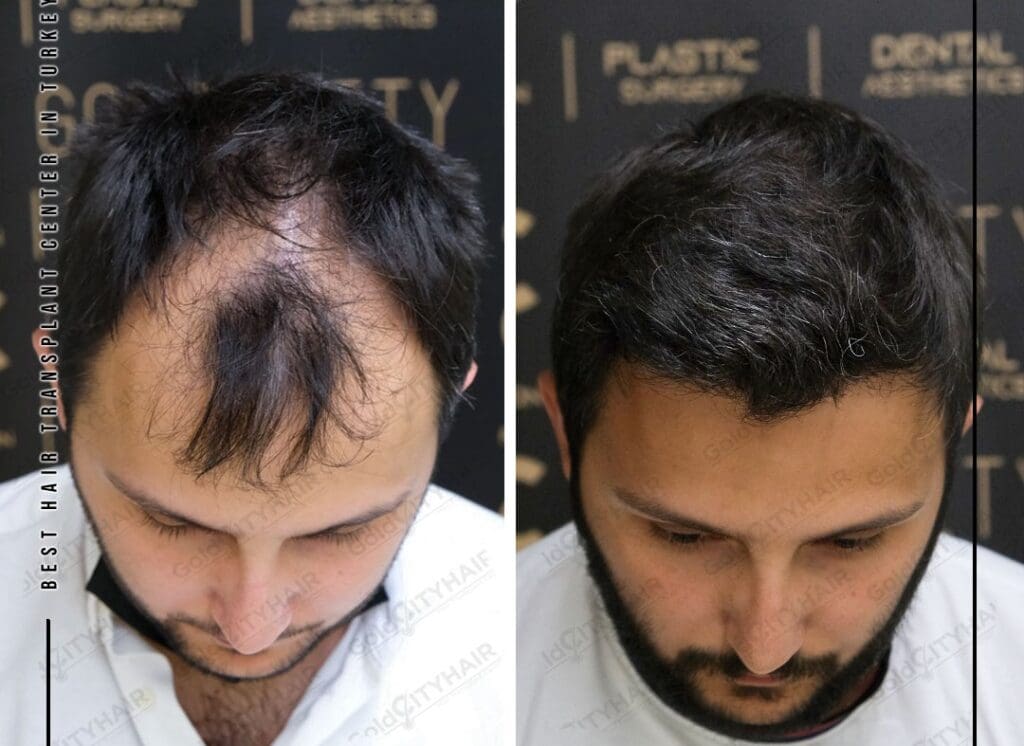
Good haircare is key to keeping hair long and healthy. A complete haircare routine helps maintain length and keeps hair strong.
Establishing an Effective Cleansing and Conditioning Routine
A balanced cleansing and conditioning routine is vital. Use a moisture-balancing shampoo to clean hair gently. Then, apply a deep conditioning treatment to nourish and moisturize.
How often you wash your hair depends on its type. Dry or curly hair needs less washing, while oily hair may need more.
Weekly Maintenance Treatments
Weekly treatments can greatly help in keeping hair long. Deep conditioning and protein treatments repair and strengthen hair. They restore moisture, reduce breakage, and improve elasticity.
Alternate between deep conditioning and protein treatments for best results. For example, do a deep conditioning treatment one week and a protein treatment the next.
Protective Styling and Handling Techniques
Protective styling minimizes hair manipulation and breakage. Styles like braids, buns, and twists protect hair ends, which are fragile.
Be gentle when handling your hair to avoid breakage. Use a wide-tooth comb or detangling brush to reduce tangles. Also, use heat styling tools less or protect your hair with a heat protectant.
By following these haircare practices, you can improve your hair’s length and health.
Essential Products for Hair Length Retention
To keep your hair long, you need the right products. These products add moisture, strength, and protection. They are key for healthy hair growth.
Moisture-Balancing Shampoos and Conditioners
Moisture-balancing shampoos and conditioners are vital for hair health. They clean your hair without taking away its natural oils. This prevents dryness and breakage. Choose shampoos and conditioners without sulfates and with ingredients like coconut oil, shea butter, or argan oil.
These products keep your hair moist, reduce frizz, and make it easier to manage. If your hair is dry or damaged, a hydrating shampoo and conditioner can help a lot.
Strengthening Treatments and Deep Conditioners
Strengthening treatments and deep conditioners are also important. They fix damaged hair, reduce breakage, and make your hair stronger and more elastic.
Deep conditioning treatments give your hair a lot of moisture and nourishment. They are great for dry, damaged, or over-processed hair. Use a deep conditioning treatment once a week. Leave it on for 15-30 minutes before rinsing.
Protein-based treatments for repairing damaged hair
Moisturizing masks for hydrating dry hair
Leave-in conditioners for ongoing nourishment
Length Retention Products for Natural Hair
For natural hair, finding the right products is key. Natural hair tends to get dry and break easily. So, products that moisturize and nourish are very helpful.
Look for products with shea butter, argan oil, and keratin. They moisturize, strengthen, and protect natural hair. Also, choose products without harsh chemicals and sulfates to keep your hair’s natural moisture.
Sonuç
Getting long, healthy hair takes both good haircare habits and the right products. A consistent routine and quality products help hair grow and break less.
Eating well and getting regular haircuts are also key. They keep the scalp healthy and help hair grow. Sources say being patient is important. It takes time to see results from a good hair care routine and the right products.
Using protective styles and handling hair right is important. The right products also help. With these steps, anyone can get the long, healthy hair they want.
SSS
What is the difference between hair growth and length retention?
Hair growth refers to how fast your hair grows from the roots, while length retention is how well you keep that length by preventing breakage and damage.
How often should I cleanse and condition my hair for maximum length retention?
Hair should be cleansed 1–3 times a week and conditioned regularly to keep it moisturized. Proper hydration helps reduce breakage and supports length retention.
What are some common causes of hair breakage and length loss?
Breakage can be caused by dryness, heat styling, harsh chemicals, tight hairstyles, and lack of proper care. These factors weaken the hair strands.
Are there specific products that can help with length retention for natural hair?
Moisturizing shampoos, deep conditioners, leave-in conditioners, and natural oils help maintain hydration and reduce breakage for better length retention.
How can I protect my hair from heat damage when using heat styling tools?
Use a heat protectant, keep the temperature low, and avoid frequent styling. Limiting heat exposure helps prevent damage and breakage.
Can genetics play a role in hair growth and length retention?
Yes, genetics can affect hair growth rate, thickness, and overall hair health. However, proper care still plays a major role in retaining length.
What role does scalp massage play in maintaining healthy hair?
Scalp massage improves blood circulation, which can support hair growth and strengthen hair roots over time.
How can I maintain a healthy scalp and promote length retention through diet?
Eat a balanced diet rich in protein, vitamins, and minerals. Proper nutrition strengthens hair and helps reduce breakage, supporting length retention.
Referanslar
National Center for Biotechnology Information. Evidence-Based Medical Insight. Retrieved from https://www.ncbi.nlm.nih.gov/pmc/articles/PMC5563119/





