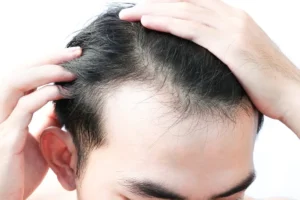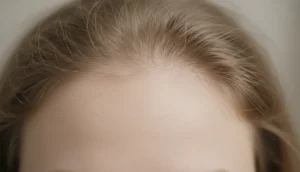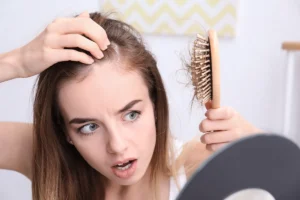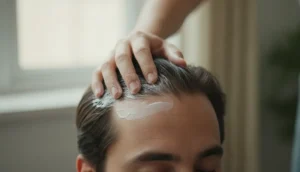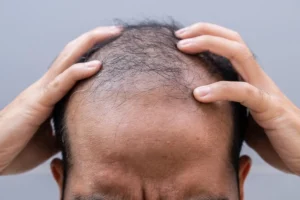
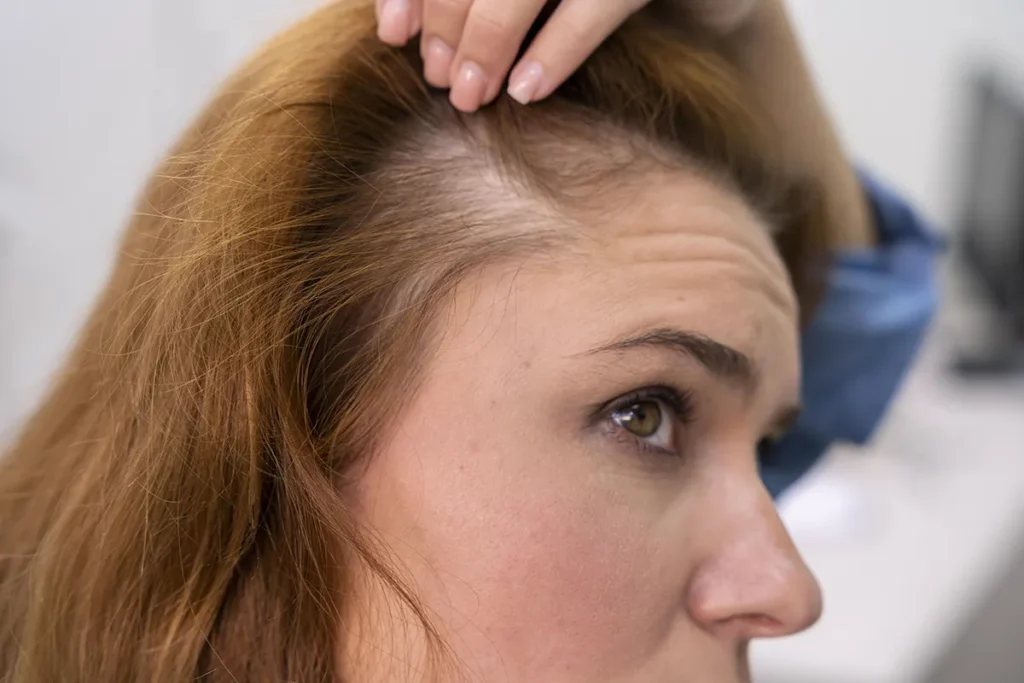
Platelet-rich plasma (PRP) therapy is a new way to fight hair loss. It starts with taking a patient’s blood. Then, it’s processed to make it rich in platelets. This plasma is then injected into the scalp.
Use prp for hair loss to see incredible powerful results. Discover amazing secrets for incredible regrowth and stop scary thinning today.
The growth factors in PRP wake up dormant hair follicles. This leads to thicker, healthier hair growth. Research shows PRP can boost hair density and growth in people with androgenetic alopecia and other hair thinning issues.
PRP therapy has a success rate of 60-85%. It can stop hair loss and even help new hair grow. This makes it a popular choice for treating hair loss.
Önemli Çıkarımlar
PRP therapy is a regenerative medicine approach that stimulates hair follicle activity.
The treatment involves injecting concentrated platelets into the scalp.
PRP therapy can improve hair density and regrowth rates.
Success rates range from 60-85% in promoting new hair growth.
PRP therapy is a promising solution for individuals experiencing hair loss.
Understanding PRP for Hair Loss
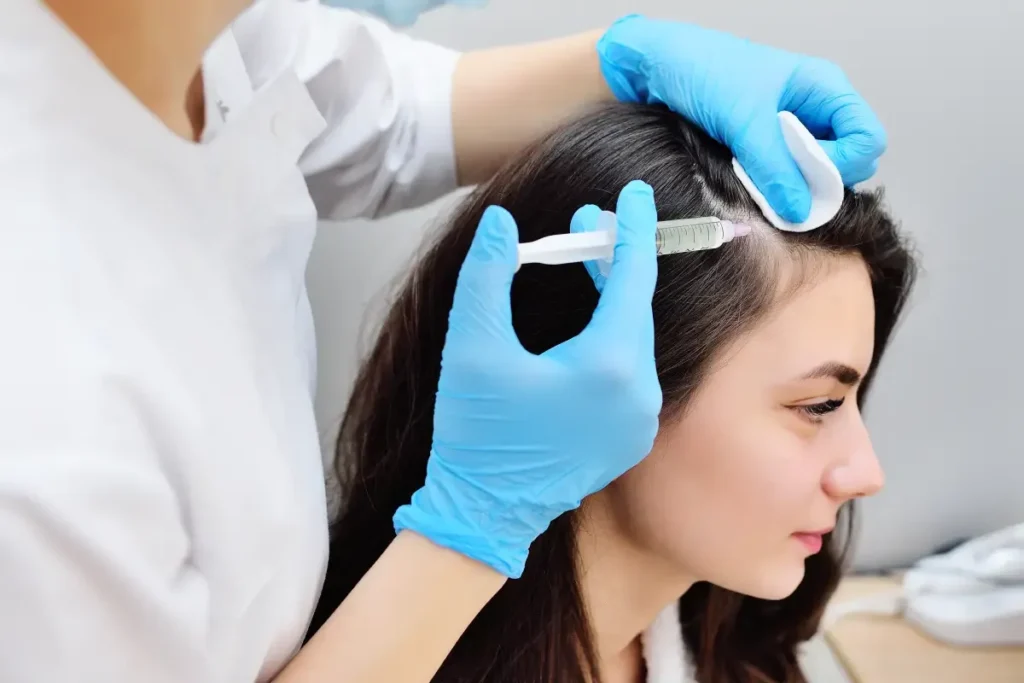
Hair loss treatment has seen big changes with PRP therapy. This non-surgical method helps grow hair back. It’s becoming more popular for treating hair loss well.
What is Platelet-Rich Plasma Therapy?
PRP therapy uses your own blood to help grow hair. First, a small blood sample is taken. Then, it’s spun to get the platelet-rich plasma.
This plasma is full of growth factors that help fix and renew hair follicles. It’s a key part of the treatment.
Getting PRP ready is a simple but careful process. The spinning makes the platelets, with their growth factors, much more concentrated. This plasma is then ready for injection.
How PRP Works to Stimulate Hair Follicles
PRP boosts hair follicles with its growth factors. When injected into the scalp, it stimulates dormant hair follicles. This leads to more hair growth and better hair density.
The growth factors also make hair follicles bigger. This results in thicker, healthier hair.
Here’s how PRP works:
It makes hair grow by boosting dermal papilla cells.
It raises growth factors that help hair grow.
It also improves blood flow to hair follicles.
Research shows PRP therapy is effective. It can greatly improve hair density and growth in people with androgenetic alopecia.
The PRP Hair Treatment Process
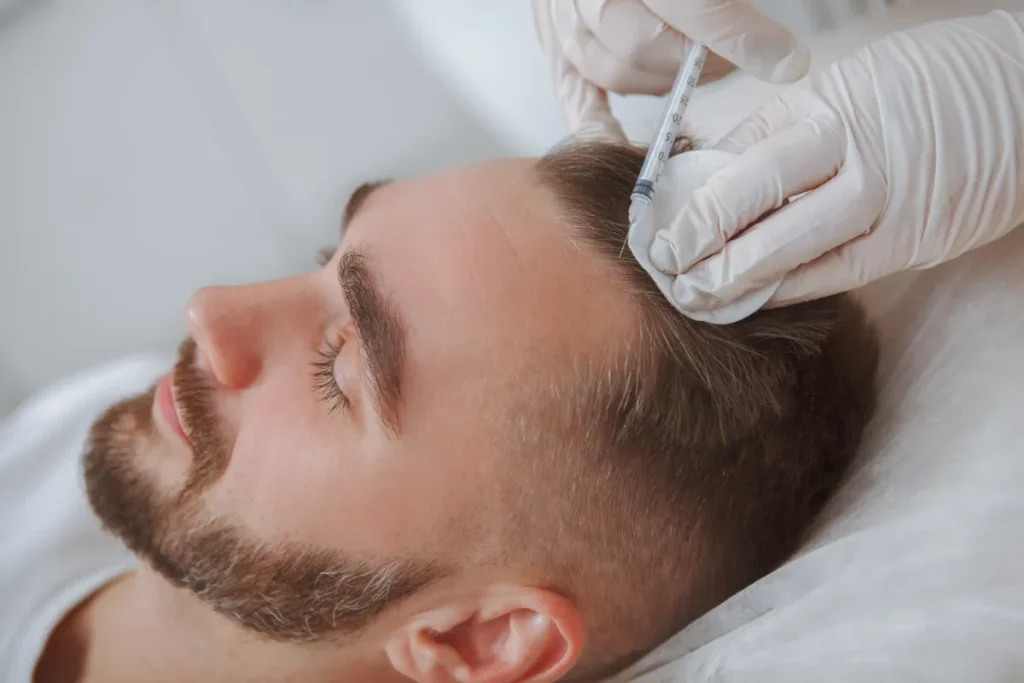
PRP therapy for hair loss has several steps, starting with a pre-treatment consultation. This first step is key to see if PRP therapy is right for you. It also helps set what you can expect from the treatment.
Pre-Treatment Consultation and Preparation
Before starting PRP treatment, you need to see a healthcare professional. They will check your hair loss, medical history, and other important details. They will also tell you to avoid certain medicines and hair products that might affect the treatment.
Avoiding blood-thinning medications
Stopping certain hair care products
Discussing expectations and outcomes
Step-by-Step PRP Procedure
The PRP procedure has a few steps:
Blood Draw: A small amount of blood is taken from you.
Centrifugation: The blood is then spun to separate the PRP from other parts.
PRP Injection: The PRP is injected into your scalp where you’re losing hair.
Post-Treatment Care and Recovery
After the PRP treatment, you’ll get care instructions to help you recover well. These include avoiding hard activities, not washing your hair for a while, and following a special hair care plan.
By following these tips, you can get the most out of your PRP treatment. This will help you achieve the best results in your hair restoration journey.
Effectiveness and Results of PRP for Hair Loss
Studies show PRP therapy can help grow hair and make it thicker. This treatment is non-surgical and has caught the eye of many for its hair loss benefits.
Clinical Research and Success Rates
Many studies have looked into PRP’s effect on hair loss. They found PRP can boost hair density and growth. A big study showed PRP made hair counts and thickness go up.
PRP therapy seems to work well, with people seeing less hair fall and more hair growth. But, results can vary. This depends on how bad the hair loss is and how many treatments someone gets.
Combining PRP with Other Hair Loss Treatments
Using PRP with other hair loss treatments can make it even better. PRP works well with medicines like minoxidil or finasteride to help hair grow and fall less. This mix can lead to better results.
PRP can also be paired with low-level laser therapy (LLLT) or microneedling to help hair follicles more. This all-around treatment can be customized for each person, making it a personal way to fight hair loss.
Timeline for Visible Results
People usually see PRP’s effects in 3-6 months after starting treatment. How fast results come can depend on how bad the hair loss is and how often treatments are done.
Getting a series of treatments is often suggested for the best results. To keep the benefits going, some might need to keep getting PRP treatments over time.
Sonuç
PRP therapy is a promising solution for hair loss. It’s a natural approach with little downtime. Understanding how it works and its benefits helps patients make informed choices.
Studies show PRP therapy can be effective against hair loss. It’s a non-surgical, painless option. This makes it popular for those looking to restore their hair.
PRP therapy is a compelling option for hair loss. It combines natural healing with quick recovery. As hair restoration evolves, PRP therapy will likely remain a key treatment.
SSS
What is PRP therapy for hair loss?
PRP (Platelet-Rich Plasma) therapy is a treatment where a patient’s own blood is processed to concentrate platelets, which are then injected into the scalp to stimulate hair growth.
How does PRP work to stimulate hair follicles?
The growth factors in PRP activate dormant hair follicles, improve blood flow, and promote cell proliferation, encouraging thicker and healthier hair growth.
What is the cost of PRP for hair loss?
PRP treatment typically costs $500–$2,000 per session, depending on the clinic, location, and number of injections required.
Is PRP hair treatment painful?
Most patients experience mild discomfort or a pinching sensation during injections, which can be minimized with topical numbing agents.
How many PRP sessions are required for hair loss treatment?
Typically, 3–6 sessions spaced 4–6 weeks apart are recommended for initial results, with maintenance treatments every 4–6 months.
What are the benefits of combining PRP with other hair loss treatments?
Combining PRP with minoxidil, finasteride, or low-level laser therapy may enhance hair density, thickness, and overall regrowth compared to a single treatment alone.
How long does it take to see visible results from PRP therapy?
Initial improvement is often seen within 2–3 months, with more noticeable results after 6 months of consistent treatment.
Is PRP therapy for hair loss safe?
PRP is generally safe since it uses your own blood, with minimal risk of allergic reactions or serious side effects. Mild swelling or redness at injection sites is common.
Can PRP therapy be used for scalp conditions other than hair loss?
PRP is primarily used for hair thinning, but some studies explore its use for scalp scarring, alopecia areata, or improving overall scalp health.
How is PRP prepared for hair loss treatment?
A blood sample is drawn, then centrifuged to separate platelets and plasma from red blood cells, and the platelet-rich plasma is injected into targeted scalp areas.
Referanslar
Ulusal Biyoteknoloji Bilgi Merkezi. Kanıta Dayalı Tıbbi Öngörü. Erişim adresi https://pubmed.ncbi.nlm.nih.gov/23145944/