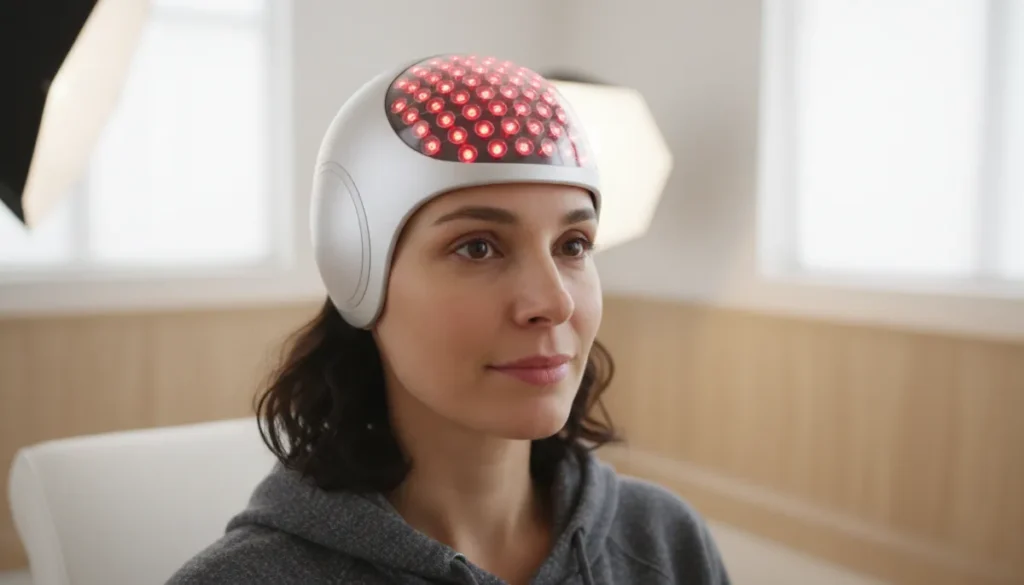
In recent years, the laser hair regrowth cap has emerged as a popular at‑home solution for people seeking to combat thinning hair and early‑stage hair loss. These devices use low‑level laser light to stimulate dormant follicles, aiming to improve density and overall scalp health. With over 590 monthly searches worldwide, interest in this technology reflects a growing desire for non‑invasive, convenient options that can be used alongside professional treatments.
This article will walk you through the science behind laser caps, compare them to other hair‑loss therapies, and help you decide whether they fit into your personal restoration plan. We’ll also cover safety considerations, maintenance tips, and realistic expectations so you can make an informed decision.
Whether you’re exploring alternatives to medication, preparing for a future transplant, or simply want to boost existing results, understanding how these devices work is the first step toward achieving lasting confidence.
How Laser Hair Regrowth Caps Work
The core principle behind the laser hair regrowth cap is photobiomodulation, a process where specific wavelengths of light interact with cellular structures to enhance metabolic activity. Most caps employ red or near‑infrared light, typically in the 630‑670 nm range, delivering energy directly to the scalp without causing heat or discomfort.
When the light penetrates the skin, it is absorbed by mitochondria—the powerhouses of cells. This absorption triggers a cascade of biochemical events, including increased adenosine triphosphate (ATP) production, reduced oxidative stress, and modulation of inflammatory pathways. The net effect is a more favorable environment for hair follicles, encouraging them to shift from the resting (telogen) phase to the growth (anagen) phase.
Key mechanisms include:
- Enhanced blood flow delivering oxygen and nutrients to follicles.
- Stimulation of stem cells in the bulge region of the hair follicle.
- Up‑regulation of growth factors such as VEGF and IGF‑1.
- Reduction of dihydrotestosterone (DHT)‑induced miniaturization.
Clinical studies have reported modest improvements in hair count and thickness after consistent use—usually 15‑30 minutes per session, three times a week, for a minimum of 12 weeks. While results vary, many users notice reduced shedding and a fuller appearance within the first few months.
| Parameter | Typical Value | Effect on Hair Follicles |
|---|---|---|
| Wavelength | 630‑670 nm (red) | Optimal absorption by mitochondrial chromophores |
| Power Density | 5‑10 mW/cm² | Stimulates cellular metabolism without heat |
| Session Length | 15‑30 minutes | Ensures sufficient energy delivery |
Benefits and Limitations Compared to Other Treatments
When evaluating hair‑loss solutions, it’s essential to weigh the advantages of laser caps against alternatives such as topical minoxidil, oral finasteride, platelet‑rich plasma (PRP), and surgical transplant methods. Below is a concise comparison highlighting where the laser hair regrowth cap shines and where it may fall short.
- Non‑invasive: No needles, incisions, or systemic medication required.
- Convenient: Can be used at home, fitting easily into daily routines.
- Low risk of side effects: Unlike finasteride, there is no hormonal impact.
- Complementary: Works well alongside red light therapy and professional procedures.
However, limitations include:
- Gradual results—typically months before noticeable change.
- Effectiveness may be reduced in advanced alopecia (Norwood ≥ 5).
- Higher upfront cost compared to generic topical solutions.
- Requirement for consistent, long‑term use to maintain benefits.
| Treatment | Invasiveness | Typical Onset of Results | Maintenance Requirement |
|---|---|---|---|
| Laser Hair Regrowth Cap | Non‑invasive | 3‑6 months | 3‑4 sessions per week |
| Minoxidil (Topical) | Non‑invasive | 2‑4 months | Twice daily |
| Finasteride (Oral) | Systemic medication | 3‑6 months | Daily |
| FUE Hair Transplant | Surgical | 9‑12 months | Occasional follow‑ups |
For many users, the low‑risk profile and ability to combine the cap with other modalities—such as red light therapy for hair loss or PRP—make it a valuable component of a comprehensive hair‑restoration strategy.
Choosing the Right Device: Features to Look For
Not all laser caps are created equal. When selecting a device, consider the following specifications to ensure you receive a clinically validated product that aligns with your goals.
Wavelength and Power Output
Effective caps typically emit red light in the 630‑670 nm range, sometimes combined with near‑infrared wavelengths (800‑850 nm) for deeper penetration. Power density should fall between 5‑10 mW/cm²; higher levels may cause discomfort, while lower levels could be insufficient.
Number of Diodes
More diodes generally mean broader coverage and more uniform light distribution. Look for devices with at least 100 diodes for full‑scalp treatment. Some models feature flexible, adjustable bands to fit various head shapes.
Battery Life and Portability
If you travel frequently, a cap with a long‑lasting rechargeable battery (minimum 20 hours of cumulative use) and a lightweight design will be more convenient.
Clinical Validation
Seek products backed by peer‑reviewed studies or FDA clearance for “low‑level laser therapy” (LLLT). Independent clinical trials provide confidence that the device delivers the advertised energy dosage.
- Certified safety standards (CE, FCC).
- Warranty of at least 1 year.
- Clear user manual with recommended treatment schedule.
By matching these criteria with your lifestyle and budget, you can select a cap that maximizes efficacy while minimizing hassle.
Integrating Caps with Professional Hair Restoration Programs
For many patients, a laser cap is not a standalone solution but a complementary tool that enhances the outcomes of clinical procedures. At Gold City Hair, we often recommend using the cap alongside FUE or DHI transplants, as well as during the post‑operative recovery phase.
Pre‑Transplant Conditioning
Using a laser hair regrowth cap for 8‑12 weeks before surgery can improve scalp vascularity, potentially leading to better graft survival. Increased blood flow supplies the transplanted follicles with essential nutrients during the critical engraftment period.
Post‑Transplant Maintenance
After the transplant, the cap can be re‑introduced once the donor and recipient sites have fully healed (typically 4‑6 weeks). Regular low‑level laser sessions help reduce inflammation, accelerate healing, and may improve the thickness of newly implanted hairs.
Combined Regimens with Medication
Patients often use minoxidil or finasteride in conjunction with laser therapy. The synergistic effect of pharmacologic agents and photobiomodulation can lead to faster, more robust regrowth. Always discuss combination therapy with your specialist to avoid contraindications.
- Consult your surgeon before starting any at‑home device.
- Follow the prescribed post‑op timeline for cap usage.
- Track progress with photos every 4 weeks.
By integrating the cap into a broader treatment plan, you capitalize on multiple mechanisms of action, increasing the likelihood of achieving a dense, natural‑looking result.
Safety, Maintenance, and Expected Results
Safety is a primary concern for anyone considering light‑based therapies. Laser caps are classified as Class III medical devices, meaning they emit low‑level light that is generally considered safe when used as directed.
Potential Side Effects
Most users experience mild scalp tingling or a temporary warm sensation during the session. Rarely, prolonged exposure can lead to erythema (redness). To minimize risk, adhere to the manufacturer’s recommended session length and frequency.
Cleaning and Care
Maintain hygiene by wiping the interior with a soft, damp cloth after each use. Avoid harsh chemicals; a mild antiseptic solution is sufficient. Store the cap in a cool, dry place to preserve battery health.
Realistic Timeline for Results
Patience is key. Clinical data suggest:
- 4‑6 weeks: Reduced shedding, improved scalp texture.
- 12‑16 weeks: Noticeable increase in hair density (5‑15%).
- 6‑12 months: Continued thickening, especially when combined with other therapies.
Individual response varies based on genetics, age, and the underlying cause of hair loss. Consistency—maintaining the prescribed schedule for at least 12 months—is crucial for sustained benefits.
| Time Frame | Typical Observation | Recommended Action |
|---|---|---|
| 0‑4 weeks | Scalp acclimatization, possible mild tingling | Follow session schedule, monitor comfort |
| 4‑12 weeks | Reduced hair loss, early regrowth signs | Continue treatment, document progress |
| 12‑24 weeks | Visible increase in hair density | Assess need for adjunct therapies |
| 24‑48 weeks | Stabilized growth, maintenance phase | Transition to reduced frequency if desired |
By following proper safety protocols and maintenance routines, users can enjoy the benefits of photobiomodulation without compromising scalp health.
Why Choose Gold City Hair
Gold City Hair has been a trusted leader in hair restoration since 2017, offering state‑of‑the‑art FUE, DHI, and eyebrow/beard transplants. Our team combines surgical expertise with personalized after‑care, ensuring every client receives a tailored plan that may include advanced technologies such as laser hair regrowth caps. We prioritize transparent communication, detailed consultations, and evidence‑based treatments to help you regain confidence and achieve lasting results.
Ready to take the next step toward fuller, healthier hair? Contact Gold City Hair today to schedule a free consultation and discover how laser therapy can complement your personalized restoration plan.
SSS
How do laser hair regrowth caps stimulate hair growth?
They use low‑level red or near‑infrared light to trigger photobiomodulation, boosting cellular metabolism in hair follicles.
What are the main benefits of using a laser hair regrowth cap compared to medication?
Caps are non‑invasive, have low side‑effect risk, and can be used at home without systemic drugs.
How long should I use a laser cap before seeing results?
Most users notice changes after 3‑6 months of consistent use.
Can laser caps be used before and after a hair transplant?
Yes, they can condition the scalp pre‑op and aid healing post‑op when used as directed.
What safety concerns should I be aware of with laser hair regrowth caps?
Side effects are mild, such as scalp tingling or temporary redness, and proper usage minimizes risk.
What features should I look for when buying a laser hair regrowth cap?
Choose a cap with clinically validated wavelength (630‑670 nm), adequate power density (5‑10 mW/cm²), at least 100 diodes, and FDA/CE clearance.





