When you search for hair transplant before and after pictures, you’re looking for proof that a procedure can truly restore confidence. Understanding those images helps you set realistic expectations and choose the right clinic. In Turkey, clinics like Gold City Hair have refined FUE ve DHI techniques to achieve natural density that blends seamlessly with existing hair.
Statistics show that over 60% of men experiencing early‑stage hair loss consider a transplant as a permanent solution, yet many are unsure how the transformation looks over time. This article walks you through the visual journey—from the initial consultation to the final, permanent results—while highlighting key factors that influence the quality of before‑and‑after photos.
We’ll explore the science behind the images, how to read them correctly, and what you can expect during each stage of recovery. Whether you’re evaluating a hairline transplant or a full scalp restoration, the insights below will guide you toward an informed decision.
Understanding the Transformation: What “Before and After” Shows
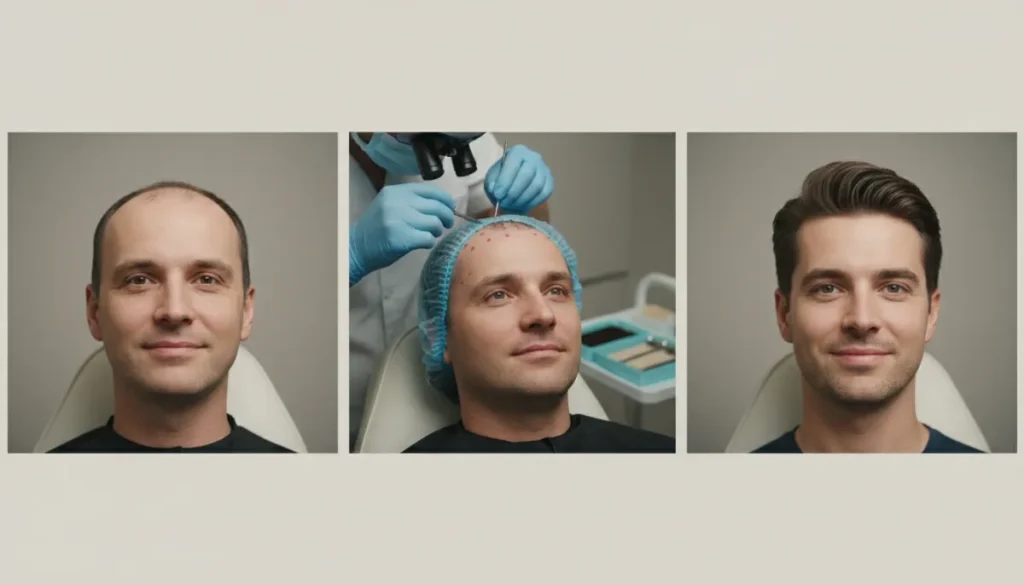
The most compelling evidence of a successful procedure lies in the side‑by‑side comparison of hair transplant images before and after. These photos typically capture three stages: pre‑procedure, early post‑procedure (2‑4 weeks), and final results (12‑18 months). Each stage reveals different aspects of graft survival, scalp healing, and hair growth patterns.
- Pre‑procedure: Shows the extent of thinning, recession, or bald patches.
- Early post‑procedure: Highlights the graft placement and initial shedding (known as “shock loss”).
- Final results: Demonstrates the matured hair line, density, and natural appearance.
When reviewing these images, pay attention to lighting, angle, and background consistency. Professional clinics use standardized photography to eliminate misleading shadows or color distortions, ensuring that the hair transplant before and after pictures are trustworthy.
How FUE and DHI Techniques Produce Visible Results
Modern Turkish clinics specialize in Foliküler Ünite Ekstraksiyonu (FUE) ve Direct Hair Implantation (DHI). Both methods harvest individual hair grafts and implant them without the linear scar associated with older strip techniques. The difference lies in implantation: DHI uses a pen‑like device that places grafts at precise angles, while FUE relies on manual placement with fine tweezers.
These nuances affect the hair transplant results you’ll see in before‑and‑after galleries. DHI often yields a denser appearance in the frontal zone because each graft can be angled to mimic natural growth direction. FUE, on the other hand, offers flexibility for larger scalp areas and typically results in quicker recovery.
| Technique | Graft Placement Precision | Recovery Time | Ideal Use Case |
|---|---|---|---|
| FUE | High (manual) | 7‑10 days | Extensive balding, larger donor area |
| DHI | Very High (automated pen) | 5‑7 days | Hairline restoration, precise density |
When you browse hair transplant images before and after, look for consistent graft angles and natural hair flow. Clinics that showcase both FUE and DHI outcomes often provide a broader perspective on what you can achieve, whether you need a subtle hairline transplant or a full scalp rejuvenation.
Interpreting Photos: What to Look for in Hair Transplant Images
Not all before‑and‑after galleries are created equal. To evaluate authenticity, consider the following criteria:
- Consistency of Angles: Same head tilt and camera distance across images.
- Lighting Uniformity: Even illumination avoids artificial brightness that can mask thinning.
- Scalp Visibility: Clear view of the donor area and recipient zone helps assess graft distribution.
- Time Stamps: Legitimate galleries include dates (e.g., 3‑month, 12‑month) to show growth progression.
Keywords such as hairline transplant, hair graft, ve hair implants for men often appear in captions. A credible clinic will also display hair transplant results for both male and female patients, demonstrating versatility.
Below is a quick checklist you can use while scrolling through hair transplant before and after pictures on any website:
- Are the before and after photos taken under identical lighting?
- Is the hairline shape consistent with natural growth patterns?
- Do the images show a gradual increase in density rather than an instant “full head”?
- Are the donor area scars minimal or invisible?
Applying this checklist reduces the risk of being misled by overly edited images, ensuring you select a clinic that delivers genuine, lasting outcomes.
Common Timeline: From Consultation to Final Appearance
The journey from the first appointment to the final hair transplant before and after photo typically follows a structured timeline. Understanding each phase helps you prepare mentally and physically.
| Phase | Duration | Key Events |
|---|---|---|
| Consultation & Planning | 1‑2 weeks | Scalp analysis, design of hairline, graft count estimation. |
| Transplant Surgery | 1‑2 days | Extraction (FUE or DHI), implantation, post‑op instructions. |
| Initial Healing | 7‑14 days | Scab formation, shedding of transplanted hairs (shock loss). |
| Growth Phase | 3‑6 months | New hair shafts emerge, increasing density. |
| Final Results | 12‑18 months | Full maturation, natural hairline, stable graft survival. |
During the growth phase, many patients wonder why the hair looks thinner than expected. This is normal; grafts go through a dormant period before entering the anagen (growth) stage. Patience is essential, as the most impressive hair transplant before and after transformations are visible only after the 12‑month mark.
For those considering a turkish hair transplant, the timeline remains consistent across reputable clinics. However, factors such as graft count, individual healing rates, and post‑operative care can slightly adjust the schedule.
Managing Expectations: Realistic Outcomes and Long‑Term Care
Even with state‑of‑the‑art techniques like FUE hair transplant turkey and DHI, the final appearance depends on individual factors. Age, hair type, and the degree of existing loss influence how dense the new hair will appear.
Most patients achieve a natural look that matches their original hair texture. However, it’s rare to attain a completely “full head” if the donor area is limited. Clinics often recommend complementary treatments—such as PRP (Platelet‑Rich Plasma) or low‑level laser therapy—to enhance graft survival and boost thickness.
- Post‑operative care: Gentle washing, avoiding direct sun, and using prescribed shampoos.
- Medication: Finasteride or minoxidil may be suggested to preserve existing hair.
- Follow‑up visits: Routine check‑ups at 3, 6, and 12 months to monitor progress.
By aligning your expectations with the realistic possibilities demonstrated in authentic hair transplant before and after pictures, you can enjoy a smoother recovery and greater satisfaction with the final result.
Why Choose Gold City Hair
Gold City Hair has been delivering personalized hair restoration solutions in Turkey since 2017. Our team combines expertise in FUE ve DHI with transparent communication, ensuring each patient receives a tailored plan that aligns with their aesthetic goals. We prioritize natural‑looking results, minimal downtime, and ongoing support throughout the healing journey.
Choosing Gold City Hair means accessing a clinic that values honesty, safety, and long‑term satisfaction—key ingredients for a successful hair transplant before and after transformation.
Ready to see your own hair transplant before and after story? Contact Gold City Hair today to schedule a free virtual consultation and start your journey toward renewed confidence.
SSS
What should I look for in hair transplant before and after photos?
Check for consistent angles, lighting, scalp visibility, and clear timestamps across the images.
How do FUE and DHI techniques differ in the results they produce?
DHI often yields higher frontal density with precise graft angles, while FUE is better for larger areas and faster recovery.
What is the typical timeline for seeing final hair transplant results?
Full, mature results usually appear 12‑18 months after the procedure.
Why is lighting consistency important in before and after images?
Consistent lighting ensures that hair density and texture are shown accurately without artificial enhancement.
What post‑operative care is recommended after a hair transplant?
Gentle washing, sun protection, prescribed shampoos, and possible medication like finasteride or minoxidil.
Can I expect a completely full head of hair after a Turkish hair transplant?
A completely full head is rare; results depend on donor area size and individual factors.





