When you notice patches of hair that never grow back, you may wonder what do dead hair follicles look like. Understanding the visual signs of a non‑functional follicle helps you decide whether medical intervention or a hair transplant is needed. In this article we explore the appearance of dead follicles, the biological reasons they cease activity, and the options available to restore a full, natural‑looking scalp. According to recent dermatology studies, up to 30% of permanent hair loss cases involve follicular death rather than temporary shedding, making accurate identification essential for effective treatment.
We will walk through the key characteristics that differentiate a dead follicle from a healthy one, explain how the hair growth cycle is disrupted, and outline preventive measures that keep your hair roots thriving. Whether you are dealing with thinning on the crown, receding temples, or patchy beard growth, recognizing the signs early can save time and improve outcomes.
Let’s begin by examining the scalp’s micro‑anatomy and the visual clues that signal follicular demise.
Identifying Dead Hair Follicles on the Scalp
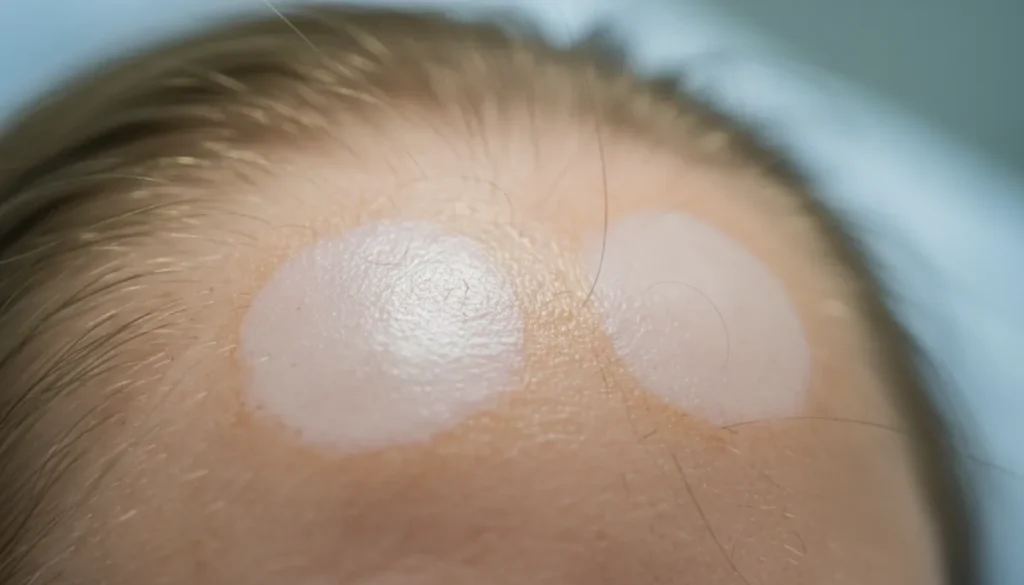
Dead hair follicles present distinct visual cues that set them apart from active or dormant follicles. The most common signs include:
- Absent hair shaft – The skin feels smooth with no visible or palpable hair emerging.
- Persistent white or pale spots where pigment‑rich hair once grew.
- Loss of the hair bulb structure visible under magnification.
- Scalp that feels flatter compared to surrounding areas with active growth.
- Skin that may appear slightly discolored or scar‑like after long‑term inactivity.
Dermatologists often use a handheld dermatoscope to examine these areas. Under magnification, a dead follicle lacks the tiny opening (infundibulum) that normally allows a hair shaft to emerge. Instead, the follicular canal may be closed or filled with keratin debris.
Understanding these markers helps you communicate clearly with a hair restoration specialist, ensuring an accurate diagnosis and appropriate treatment plan.
How Hair Follicles Become Inactive or Dead
Follicular death can result from a variety of internal and external factors. Below is a concise overview of the most common causes and how they affect the follicle’s structure.
| Cause | Impact on Follicle | Typical Appearance |
|---|---|---|
| Genetic predisposition | Progressive miniaturization leading to loss of dermal papilla | Gradual thinning, eventual disappearance of shaft |
| Aging | Reduced stem‑cell activity in the bulge region | Pale, flat patches, especially on crown |
| Scalp trauma (e.g., burns, surgery) | Physical destruction of follicular tissue | Scar tissue, no follicular openings |
| Autoimmune disorders (e.g., alopecia areata) | Immune attack on hair bulb and papilla | Patchy loss with smooth, non‑inflamed skin |
| Chronic inflammation or infection | Fibrosis and blockage of the follicular canal | Redness may fade to pale, hair does not regrow |
Each of these factors interrupts the normal hair growth cycle, halting the transition from the anagen (growth) phase to the telogen (resting) phase and eventually leading to follicular death. Understanding the underlying cause is essential for selecting the right therapeutic approach.
Differentiating Dead Follicles from Temporary Hair Loss
Not every area of thinning indicates a dead follicle. Temporary shedding, known as telogen effluvium, often mimics the appearance of follicular loss but is reversible. Key differences include:
- Duration: Telogen shedding usually resolves within 3–6 months, whereas dead follicles remain unchanged.
- Scalp texture: Temporary loss retains the microscopic follicular openings, while dead follicles feel smoother.
- Regrowth potential: In telogen effluvium, new hairs emerge from the same follicles; dead follicles produce no new shafts.
Clinicians may perform a gentle hair‑pull test to assess follicle vitality. If hairs are easily extracted without resistance, the follicles are likely still alive. Conversely, a lack of extractable hairs combined with a smooth scalp surface points toward follicular death.
Distinguishing these conditions prevents unnecessary procedures and directs patients toward the most effective treatment, whether it be medical therapy, lifestyle adjustments, or surgical restoration.
Treatment Options for Reviving or Replacing Dead Follicles
When a follicle is confirmed dead, the primary options focus on either stimulating new growth from surrounding healthy follicles or replacing the lost units through transplantation.
Tıbbi Müdahaleler
Topical minoxidil and oral finasteride can improve the health of surrounding follicles but will not revive a truly dead follicle. Emerging treatments such as platelet‑rich plasma (PRP) and low‑level laser therapy aim to enhance scalp vascularity, potentially supporting marginally damaged follicles.
Surgical Solutions
The most effective method for restoring areas with dead follicles is a hair transplant. Techniques offered by Gold City Hair include:
- FUE (Follicular Unit Extraction) – Individual follicles are harvested and implanted with minimal scarring.
- DHI (Doğrudan Saç İmplantasyonu) – Follicles are loaded into a specialized pen and placed directly into the recipient site.
- Eyebrow and Beard Transplants – Tailored for facial hair restoration where follicles may also be dead.
These procedures relocate healthy follicles from a donor area (typically the back of the scalp) to the zones where follicles have died, providing natural‑looking, permanent results.
Choosing the right approach depends on the extent of follicular loss, donor hair availability, and the patient’s aesthetic goals.
Preventive Care to Keep Follicles Healthy
While some follicular death is inevitable with age or genetics, many lifestyle and scalp‑care practices can preserve follicle vitality and reduce the risk of premature loss.
- Balanced nutrition – Adequate protein, iron, zinc, and biotin support the hair bulb and papilla.
- Scalp hygiene – Regular gentle cleansing prevents clogged hair follicles and reduces inflammation.
- Avoid harsh chemicals – Limit exposure to strong dyes, straightening agents, and heat styling.
- Stress management – Chronic stress can trigger hormonal changes that accelerate follicular miniaturization.
- Medical monitoring – Routine check‑ups for thyroid, hormonal, or autoimmune disorders catch issues before they damage follicles.
Implementing these habits supports the hair follicle environment, fostering a robust hair growth cycle and minimizing the likelihood of follicles becoming dead.
Why Choose Gold City Hair
Gold City Hair has been delivering personalized hair restoration solutions in Turkey since 2017. Our team combines advanced FUE and DHI techniques with transparent communication, ensuring each patient receives a treatment plan tailored to their unique scalp condition. With a focus on safety, natural results, and patient confidence, Gold City Hair is a trusted partner for anyone seeking to restore lost hair and regain self‑esteem.
Ready to transform your scalp and rediscover confidence? Contact Gold City Hair today to schedule a confidential consultation and explore the best solution for your hair loss.
SSS
How can I tell if a hair follicle is dead?
Dead follicles appear as smooth, pale patches with no visible hair shaft and feel flatter than surrounding healthy skin.
What are the common causes of dead hair follicles?
Genetics, aging, scalp trauma, autoimmune disorders, and chronic inflammation are the main contributors to follicular death.
How does a hair pull test help diagnose dead follicles?
A hair pull test shows whether hairs can be gently extracted; lack of extractable hairs suggests follicular death.
Can medical treatments revive dead hair follicles?
Medical options can improve surrounding healthy follicles but cannot restore truly dead follicles.
What surgical options are available for replacing dead follicles?
FUE, DHI, and specialized eyebrow or beard transplants are the main surgical methods offered.
How does telogen effluvium differ from follicular death?
Telogen effluvium is temporary shedding that resolves within months, while dead follicles remain unchanged and cannot regrow hair.
What preventive measures can keep hair follicles healthy?
Balanced nutrition, proper scalp hygiene, avoiding harsh chemicals, stress management, and regular medical monitoring help maintain follicle vitality.





