Many people wonder how to tell if you will go bald before noticeable thinning becomes a concern. Early detection empowers you to act proactively, whether through lifestyle adjustments, medical consultation, or advanced hair restoration options. In fact, studies show that up to 40% of men notice the first signs of hair loss before the age of 30, yet few seek help until the problem is advanced.
This article walks you through the genetic, physical, and environmental clues that signal an upcoming loss of hair. We’ll explore the science behind male pattern baldness, the subtle changes in your scalp that often go unnoticed, and the health factors that can accelerate the process. By the end, you’ll have a clear checklist to monitor your hair health and know when professional advice is warranted.
Understanding these early indicators not only preserves confidence but also expands the range of effective treatments, from medication to the latest FUE and DHI transplant techniques offered by Gold City Hair.
Understanding the Genetics of Hair Loss
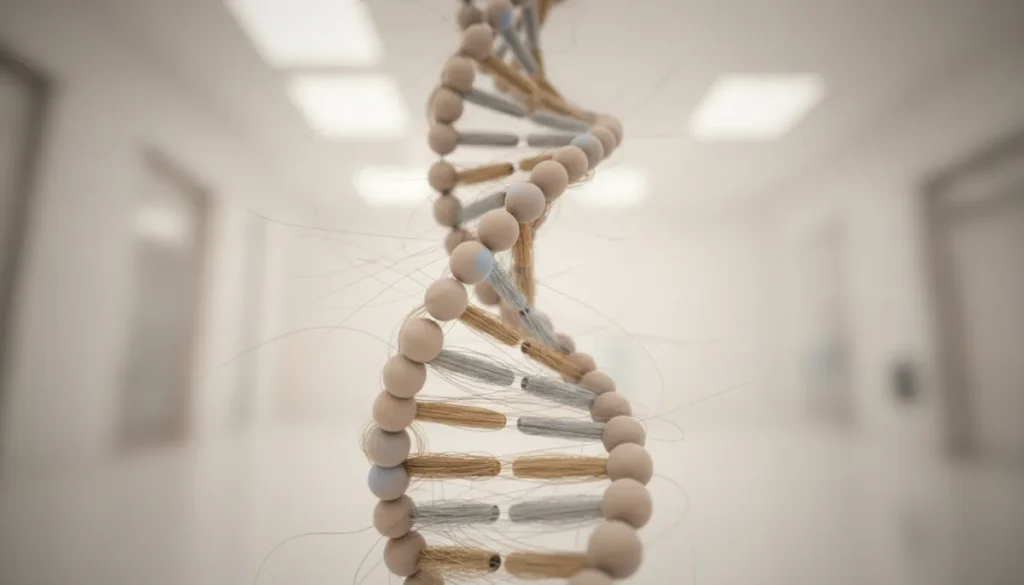
Genetics play a pivotal role in determining whether you will experience baldness, especially the condition known as androgenetic alopecia. If your family history includes men or women with a receding hairline, a thinning crown, or complete baldness, your own risk increases significantly. Researchers have identified several genes, such as AR (androgen receptor) and WNT10A, that influence hair follicle sensitivity to dihydrotestosterone (DHT), the hormone primarily responsible for hair mini‑miniaturization.
Gene testing is becoming more accessible and can provide a personalized risk profile. While a test cannot guarantee outcomes, it offers valuable insight into how aggressively your follicles may respond to hormonal changes. Understanding your genetic predisposition helps you decide whether early interventions—like topical minoxidil or oral finasteride—are appropriate.
Key Genetic Factors
- Family History: Direct observation of hair loss patterns in close relatives.
- Specific Genes: AR, WNT10A, and other loci linked to follicle miniaturization.
- Hormonal Sensitivity: How DHT interacts with hair follicles.
Even if genetics suggest a higher likelihood, lifestyle and medical choices can modify the timeline. Early awareness of your genetic risk is the first step toward a proactive hair‑preservation plan.
Recognizing Early Physical Indicators
Before a full‑blown bald spot appears, subtle changes often signal that you will go bald in the near future. The most common early signs include a widening part, a receding hairline that forms an “M” shape, and a noticeable decrease in hair volume at the crown.
These signs are typically painless and develop gradually, making them easy to overlook. However, a systematic self‑check every few months can catch them early. Pay attention to the following visual cues:
Common Early Signs
| Indicator | Description |
|---|---|
| Receding Hairline | Hairline retreats, especially at the temples, forming an “M” shape. |
| Thinning Crown | Reduced density at the top of the head, often the first sign of male pattern baldness. |
| Increased Shedding | More than 100 hairs per day, noticeable on pillows or in the shower. |
| Miniaturized Hairs | Fine, short hairs replace thicker strands, visible under magnification. |
When you notice any of these patterns, it may be time to evaluate the underlying cause and consider preventive measures. Early detection is especially valuable because treatments tend to be more effective before extensive follicular loss occurs.
Lifestyle Factors That Accelerate Baldness
Beyond genetics, everyday habits can either protect or hasten the progression toward baldness. Chronic stress, poor nutrition, and certain hairstyles that place tension on the scalp—known as traksiyon alopesi—are all contributors.
Stress elevates cortisol levels, which can disrupt the hair growth cycle and push follicles into the telogen (resting) phase. Similarly, diets lacking essential nutrients like iron, zinc, and biotin deprive hair follicles of the building blocks needed for robust growth. Even seemingly harmless habits, such as tight ponytails or braids, can cause micro‑tears in the scalp, leading to permanent follicular damage over time.
Actionable Lifestyle Adjustments
- Stress Management: Incorporate mindfulness, regular exercise, and adequate sleep.
- Balanced Diet: Focus on lean proteins, leafy greens, nuts, and fish rich in omega‑3 fatty acids.
- Gentle Hair Care: Avoid excessive heat styling, harsh chemicals, and overly tight hairstyles.
- Regular Scalp Massage: Improves blood flow and may stimulate dormant follicles.
Adopting these habits not only supports overall health but also creates a more favorable environment for hair retention, potentially delaying the point at which you might need surgical intervention.
Medical Conditions and Treatments to Watch
Various medical conditions can mimic or exacerbate the process of going bald. Autoimmune disorders such as alopecia areata cause sudden patchy hair loss, while thyroid imbalances can lead to diffuse thinning across the scalp. Certain prescription medications—including some antidepressants, blood thinners, and chemotherapy agents—also list hair loss as a side effect.
Identifying an underlying health issue is crucial because treating the root cause can halt or even reverse hair loss. For instance, correcting a thyroid deficiency often restores normal hair growth within months. In cases of alopecia areata, topical corticosteroids or immunotherapy may be effective, especially when caught early.
Common Medical Triggers
- Alopecia Areata: Autoimmune patchy hair loss that can progress to total baldness.
- Thyroid Disorders: Both hyper‑ and hypothyroidism affect hair follicle metabolism.
- Medications: Anticoagulants, retinoids, and certain antihypertensives may cause shedding.
- Nutrient Deficiencies: Iron deficiency anemia and low vitamin D levels are linked to thinning hair.
If you suspect any of these conditions, a thorough medical evaluation is the next logical step. Early diagnosis not only clarifies the cause but also expands the range of therapeutic options available.
When to Seek Professional Evaluation
Recognizing early signs is only half the battle; knowing when to consult a specialist determines the effectiveness of any intervention. If you notice any of the following, it’s time to schedule a professional assessment:
- Rapid increase in daily hair shedding (over 100 hairs).
- Visible recession of the hairline or thinning crown persisting for more than three months.
- Sudden patchy loss that does not regrow within six weeks.
- Accompanying scalp symptoms such as itching, redness, or pain.
Dermatologists can perform a scalp examination, dermoscopy, and blood tests to pinpoint the cause. For those confirmed with androgenetic alopecia or other progressive forms, a hair transplant clinic—like Gold City Hair—offers state‑of‑the‑art solutions, including Follicular Unit Extraction (FUE) and Direct Hair Implantation (DHI). Early consultation maximizes the pool of viable donor follicles, leading to more natural and lasting results.
Why Choose Gold City Hair
Gold City Hair has been delivering personalized hair restoration in Turkey since 2017. Our clinic specializes in advanced techniques such as FUE, DHI, and eyebrow or beard transplants, all performed by experienced surgeons who prioritize transparent communication and patient comfort. We combine meticulous planning with cutting‑edge technology to achieve natural‑looking density and lasting confidence for each client.
Ready to take control of your hair future? Contact Gold City Hair today for a confidential consultation and discover the most effective path to restore your hair and confidence.
SSS
How can I tell if I will go bald early?
Look for a receding hairline, thinning crown, increased shedding, and miniaturized hairs.
What genetic factors contribute to baldness?
Genes like AR and WNT10A affect follicle sensitivity to DHT, increasing baldness risk.
What are the first physical signs of hair loss?
A widening part, receding temples, thinning at the crown, and noticeable daily shedding.
How do lifestyle habits affect baldness?
Stress, poor nutrition, and tight hairstyles can accelerate hair loss by disrupting the growth cycle.
When should I see a dermatologist for hair loss?
If you notice rapid shedding, persistent recession, patchy loss, or scalp irritation lasting more than a few weeks.
What treatment options exist for early hair loss?
Topical minoxidil, oral finasteride, lifestyle changes, and early‑stage hair transplant procedures.





