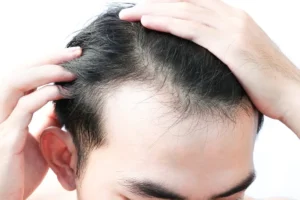
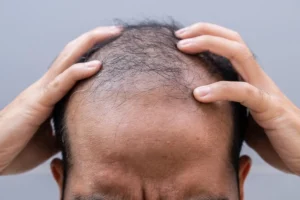
Herbal treatment for hair loss has gained popularity among people seeking gentle, plant‑based alternatives to synthetic drugs. In this article we explore the science behind herbal remedies, compare them with conventional hair loss treatment options, and guide you on how to select safe, effective products. According to recent surveys, over 40% of individuals experiencing hair thinning have tried at least one natural supplement before considering medical therapy.
We will examine the most researched herbs, explain how they influence hair follicles, and outline practical steps for incorporating them into a daily routine. Whether you are dealing with early‑stage thinning, pattern baldness, or seasonal shedding, understanding the strengths and limits of herbal approaches can help you make an informed decision.
Finally, we discuss when natural methods may need to be complemented by professional interventions such as a hair transplant, ensuring you achieve the best possible outcome for your confidence and appearance.
Understanding Herbal Approaches to Hair Regrowth

Plants have been used for centuries to promote scalp health and stimulate hair growth. Modern research confirms that several botanicals contain compounds that can extend the anagen (growth) phase, improve blood circulation, and reduce inflammation around the follicle.
Common Herbs and Their Active Ingredients
- Saw Palmetto – Contains fatty acids that inhibit 5‑alpha‑reductase, the enzyme that converts testosterone to dihydrotestosterone (DHT), a primary factor in male‑pattern baldness.
- Rosemary – Rich in carnosic acid, which has antioxidant properties and has been shown in clinical trials to increase hair count comparable to minoxidil.
- Ginseng – Ginsenosides stimulate dermal papilla cells, encouraging new follicle development.
- Green Tea (Camellia sinensis) – Epigallocatechin‑3‑gallate (EGCG) reduces oxidative stress and may protect against hair follicle miniaturization.
- Amla (Indian Gooseberry) – High in vitamin C and flavonoids, supporting collagen synthesis and scalp nourishment.
These herbs are often formulated into oils, capsules, or topical rinses. While they are not a cure‑all, consistent use can improve hair density and reduce shedding, especially when combined with a balanced diet and proper scalp hygiene.
Comparing Herbal Treatments with Conventional Hair Loss Options
When deciding on a hair loss strategy, many people weigh natural remedies against pharmaceutical and surgical solutions. Below is a side‑by‑side comparison that highlights efficacy, safety, cost, and maintenance requirements.
| Aspect | Herbal Treatment | Conventional Options |
|---|---|---|
| Typical Effectiveness | Modest improvement; best for early‑stage thinning. | Higher success rates; finasteride, minoxidil, and hair transplant deliver measurable regrowth. |
| Side Effects | Generally mild; possible allergic reactions. | Potential systemic effects (e.g., sexual dysfunction with finasteride), scalp irritation. |
| Cost (Annual) | $100‑$300 for quality supplements and oils. | $500‑$2,000 for medication; $3,000‑$10,000+ for hair transplant procedures. |
| Commitment | Daily or weekly application for 3‑6 months before results. | Continuous use of medication; surgical recovery period followed by maintenance. |
| Suitability | Safe for most adults, including women seeking hair loss treatment. | Finasteride not recommended for women of child‑bearing age; transplant limited by donor density. |
For individuals who prefer a hair growth treatment with minimal side effects, herbal options can serve as a first line of defense. However, those with advanced baldness or rapid thinning may need to explore proven medical therapies such as finasteride for hair loss or a hair transplant.
How to Choose Effective Herbal Products
Not all herbal supplements are created equal. To ensure you purchase a product that delivers real benefits, consider the following criteria.
- Standardized Extracts – Look for labels indicating a specific percentage of active compounds (e.g., 95% saw palmetto fatty acids).
- Third‑Party Testing – Certifications from independent labs confirm purity and absence of contaminants.
- Clinical Backing – Preference for products referenced in peer‑reviewed studies or clinical trials.
- Transparent Ingredient List – Avoid proprietary blends that hide exact dosages.
- Customer Reviews – Real‑world feedback can reveal efficacy and potential side effects.
When evaluating a supplement, cross‑reference the ingredient list with reputable sources such as the National Institutes of Health’s Office of Dietary Supplements. Combining high‑quality herbs with a balanced diet rich in biotin, zinc, and omega‑3 fatty acids can further enhance results.
Remember that herbal treatment for hair loss should complement, not replace, a comprehensive hair care regimen that includes gentle shampoos, reduced heat styling, and stress management.
DIY Herbal Hair Rinses and Masks
For those who enjoy a hands‑on approach, creating your own scalp treatments can be both cost‑effective and rewarding. Below are three simple recipes that harness the power of proven herbs.
Rosemary & Apple Cider Vinegar Rinse
- Combine 2 cups of distilled water with 2 tablespoons of apple cider vinegar.
- Add 1 teaspoon of dried rosemary leaves.
- Steep for 15 minutes, strain, and let cool.
- After shampooing, pour the mixture over your scalp, massage gently, and do not rinse.
Green Tea & Aloe Vera Scalp Mask
- Brew a strong cup of green tea and let it cool.
- Mix 2 tablespoons of pure aloe vera gel with 1 tablespoon of the tea.
- Apply to the scalp, leave for 30 minutes, then rinse with lukewarm water.
Saw Palmetto Oil Blend
- Mix 5 ml of jojoba oil with 2 drops of saw palmetto essential oil (if available) or 1 gram of powdered saw palmetto infused in carrier oil.
- Massage into the scalp nightly.
- Wash out in the morning with a mild shampoo.
These DIY options can be incorporated into a weekly routine, providing a steady supply of antioxidants and nutrients that support the hair growth cycle. Consistency is key; most users notice reduced shedding after 12‑16 weeks of regular use.
When to Consider Professional Interventions
Herbal remedies are valuable, but they may not be sufficient for everyone. If you experience rapid hair loss, extensive bald spots, or have a family history of advanced pattern baldness, consulting a specialist is advisable.
Indicators for Medical Consultation
- Hair loss covering more than 25% of the scalp.
- Sudden or patchy shedding (possible alopecia areata).
- Persistent scalp inflammation or itching.
- Unsatisfactory results after 6‑12 months of consistent herbal use.
In such cases, options like finasteride for hair loss, minoxidil, or a hair transplant (FUE or DHI) can provide more dramatic regrowth. At Gold City Hair, our team evaluates each patient’s unique condition and can integrate herbal strategies with medical treatments for a holistic plan.
Combining natural and professional approaches often yields the best outcomes: herbs reduce inflammation and support follicle health, while proven medical therapies address hormonal factors and restore density. This synergy maximizes confidence and long‑term hair vitality.
Why Choose Gold City Hair
Gold City Hair has been delivering personalized hair restoration solutions since 2017. Our clinic combines advanced techniques such as FUE, DHI, and eyebrow/beard transplants with a commitment to transparent communication and patient‑centered care. Whether you are exploring herbal treatments, medical therapies, or surgical options, our experienced team provides a tailored plan that respects your goals and budget. Trust a proven partner dedicated to restoring not only hair but confidence.
Ready to take the next step toward fuller, healthier hair? Contact Gold City Hair today to schedule a free consultation and discover how natural and professional treatments can work together for you.
Call us or fill out the online form – our specialists are here to guide you on a personalized hair restoration journey.
SSS
What are the most effective herbs for hair loss?
Saw palmetto, rosemary, ginseng, green tea, and amla are among the most researched herbs for supporting hair growth.
How does saw palmetto help prevent hair thinning?
Saw palmetto contains fatty acids that block 5‑alpha‑reductase, lowering DHT levels that cause follicle mini‑aturization.
Can herbal treatments replace medical options like finasteride?
Herbal remedies can be a first‑line option for mild thinning, but they usually cannot match the potency of prescription drugs for advanced loss.
How long does it take to see results from herbal hair loss remedies?
Most users notice reduced shedding after 12‑16 weeks of consistent use.
What are the signs that I should see a professional for hair loss?
Rapid thinning, loss of more than 25% of scalp, patchy shedding, or no improvement after a year of herbal use indicate a medical consultation.
How can I make a DIY rosemary hair rinse at home?
Steep dried rosemary in water and apple cider vinegar, then apply to the scalp after shampooing.
Are there any side effects of using herbal hair loss supplements?
Side effects are usually mild, such as occasional scalp irritation or allergic reactions.