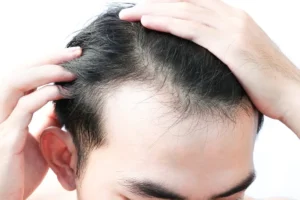
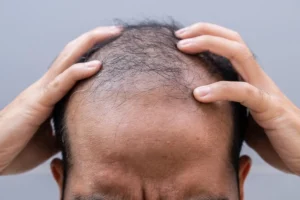
Many people notice bald head patches and wonder what is causing them. These localized areas of hair loss can be unsettling, but understanding the underlying reasons makes it easier to choose the right solution. In this article we explore the most common causes, how specialists diagnose the problem, and the range of treatments—from topical therapies to state‑of‑the‑art hair transplant techniques offered by Gold City Hair.
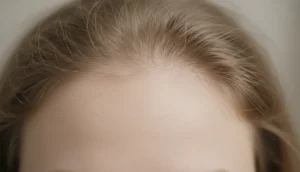
According to recent dermatology surveys, up to 15% of adults experience at least one bald spot in their lifetime, with higher rates among those with a family history of alopecia or male pattern baldness. Whether the patch is small or spreads across the scalp, early intervention can prevent further thinning and improve confidence.
We will walk through the science behind patchy hair loss, practical steps for assessment, and the most reliable options for restoring a natural‑looking hairline. By the end, you’ll have a clear roadmap for addressing bald head patches effectively.
Common Causes of Bald Head Patches
Patchy hair loss is rarely random; it usually reflects an underlying condition. The most frequent culprits include:
- Alopecia areata – an autoimmune disorder that attacks hair follicles, creating smooth, round bald spots.
- Androgenetic alopecia – the hereditary pattern often called male or female pattern baldness, which can manifest as isolated patches before progressing.
- Traction alopecia – caused by chronic pulling from tight hairstyles, leading to localized thinning.
- Scalp infections or fungal conditions such as tinea capitis, which damage follicles.
- Hormonal imbalances, including thyroid disorders, that disrupt the hair growth cycle.
- Physical trauma or scarring from burns, surgeries, or severe acne.
Understanding which factor is at play is essential because each requires a tailored approach. For example, alopecia areata often responds to immunomodulatory therapy, whereas traction alopecia improves once the pulling force is eliminated.
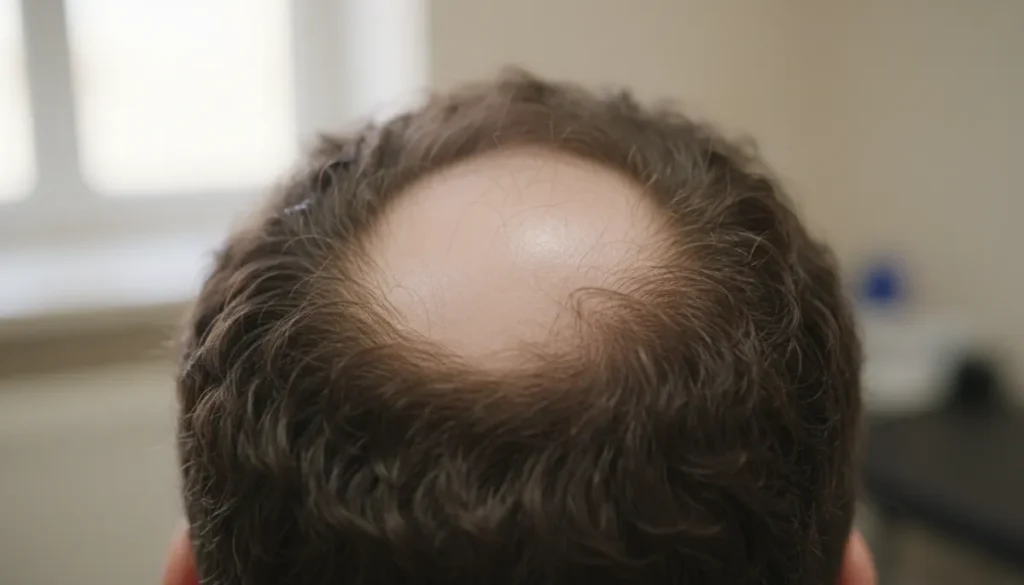
How Specialists Diagnose the Underlying Issue
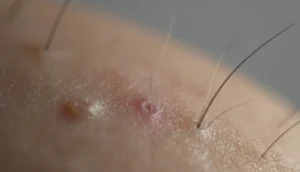
Accurate diagnosis begins with a thorough medical history and visual inspection. Dermatologists and hair restoration experts look for pattern, size, and associated symptoms such as itching or scaling. In many cases, a simple trichoscopic examination—using a handheld dermatoscope—reveals characteristic signs that differentiate conditions.
When the cause is not obvious, additional tests may be ordered:
- Blood panels to check thyroid function, iron levels, and autoimmune markers.
- Scalp biopsy for histological analysis, especially when scarring alopecia is suspected.
- Patch testing to rule out allergic reactions that could trigger hair loss.
The table below compares three common diagnoses that lead to bald head patches, highlighting key clinical features and typical treatment pathways.
| Condition | Typical Appearance | Diagnostic Clues | First‑Line Treatment |
|---|---|---|---|
| Alopesi Areata | Round, smooth patches | Positive nail pitting, sudden onset | Topical corticosteroids, intralesional injections |
| Androgenetik Alopesi | Thinning at crown or temples, may form patches | Family history, gradual progression | Finasteride, minoxidil, hair transplant |
| Traction Alopecia | Linear patches along hairline | History of tight hairstyles, perifollicular inflammation | Change hairstyle, topical anti‑inflammatories |
Non‑Surgical Management Options
Before considering surgery, many patients explore medical and lifestyle interventions that can halt or reverse patchy hair loss. The effectiveness of each approach depends on the diagnosis, but the following options are widely recommended:
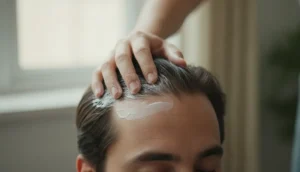
- Topical minoxidil – a vasodilator that prolongs the growth phase of hair follicles; available over‑the‑counter in 2% and 5% formulations.
- Oral medications such as finasteride for androgen‑related loss; it blocks the conversion of testosterone to dihydrotestosterone (DHT).
- Low‑level laser therapy (LLLT) – devices that emit red light to stimulate cellular activity in the scalp.
- Platelet‑rich plasma (PRP) injections – concentrate of the patient’s own platelets injected to promote healing and growth.
- Nutritional support – adequate iron, zinc, and biotin intake can improve hair health, especially in cases of deficiency‑related loss.
While these treatments can be effective for many, they require consistent use and realistic expectations. For example, minoxidil may need 3–6 months before visible improvement, and results can plateau if the underlying cause continues unchecked.
Surgical Solutions: Advanced Hair Transplant Techniques
When medical therapies are insufficient, surgical restoration offers a permanent solution to bald head patches. Gold City Hair specializes in three cutting‑edge methods that deliver natural‑looking density:
- Foliküler Ünite Ekstraksiyonu (FUE) – individual follicles are harvested from a donor area and implanted into the patch.
- Direct Hair Implantation (DHI) – similar to FUE but uses a patented implanter pen for precise placement without creating recipient incisions.
- Eyebrow and beard transplants – useful when patches affect facial hair areas, employing the same principles of follicular unit placement.
The following comparison outlines the main advantages of each technique:
| Technique | Incision Size | Recovery Time | Ideal For |
|---|---|---|---|
| FUE | 0.8‑1.0 mm | 7‑10 days | Moderate‑size patches, patients preferring minimal scarring |
| DHI | 0.6‑0.9 mm | 5‑9 days | Small, precise patches where angle and direction are critical |
| Eyebrow/Beard | 0.7‑0.9 mm | 7‑10 days | Facial hair loss, aesthetic refinement |
All procedures are performed under local anesthesia in a state‑of‑the‑art clinic in Turkey, ensuring comfort and safety. Patients typically see visible hair growth within 3‑4 months, with full density emerging after 12‑18 months.
Post‑Procedure Care and Long‑Term Maintenance
Successful restoration of bald head patches depends not only on the surgical skill but also on diligent after‑care. Patients receive a customized protocol that typically includes:
- Gentle washing with a prescribed mild shampoo for the first two weeks.
- Avoiding direct sun exposure and heavy physical activity for at least 10 days.
- Topical minoxidil or low‑level laser sessions to support graft survival.
- Regular follow‑up visits to monitor growth and address any concerns.
Long‑term maintenance also involves lifestyle choices that protect hair health. Maintaining a balanced diet rich in proteins, omega‑3 fatty acids, and antioxidants can sustain follicle vitality. Additionally, managing stress through mindfulness or regular exercise reduces the hormonal triggers that can lead to new bald patches.
By adhering to these guidelines, most patients retain their transplanted density for years, enjoying a natural look that blends seamlessly with surrounding hair.
Why Choose Gold City Hair
Gold City Hair has been delivering personalized hair restoration solutions in Turkey since 2017. Our team combines extensive experience with the latest FUE and DHI technologies, ensuring each patient receives a treatment plan tailored to their unique pattern of bald head patches. Transparent communication, meticulous after‑care, and a commitment to natural results set us apart as a trusted partner on the journey to renewed confidence.
Ready to transform your bald head patches into a full, natural‑looking hairline? Contact Gold City Hair today to schedule a confidential consultation and discover the best solution for your needs.
Take the first step toward lasting confidence—your new look awaits.
SSS
What causes bald head patches?
Bald head patches can result from alopecia areata, androgenetic alopecia, traction alopecia, scalp infections, hormonal imbalances, or trauma.
How is a bald patch diagnosed by a specialist?
Specialists use medical history, visual inspection, trichoscopy, and sometimes blood tests or scalp biopsies to pinpoint the cause.
What non‑surgical treatments are effective for patchy hair loss?
Topical minoxidil, oral finasteride, low‑level laser therapy, PRP injections, and nutritional support are common non‑surgical options.
When should I consider a hair transplant for bald patches?
Consider a transplant when medical therapies fail to produce sufficient regrowth or when you desire a permanent, natural‑looking solution.
What are the differences between FUE and DHI hair transplant techniques?
FUE extracts individual follicles and implants them, while DHI uses a patented implanter pen for direct placement without creating recipient incisions.
How should I care for my scalp after a hair transplant?
Follow gentle washing, avoid sun and heavy activity, use prescribed minoxidil or laser therapy, and attend follow‑up visits.