Finding the right hair loss treatment for elderly woman can feel overwhelming, especially when the options are many and the science constantly evolves. This article breaks down the most reliable approaches, from lifestyle adjustments to cutting‑edge transplant procedures, so you can make an informed decision that restores confidence and natural‑looking hair.
Did you know that nearly 40% of women over the age of 60 experience noticeable thinning or baldness? Age‑related hormonal shifts, reduced scalp circulation, and cumulative stress all play a role, making early intervention crucial. In the following sections we’ll explore the root causes, review non‑surgical and medical treatments, and explain how modern hair transplant methods can safely address thinning hair in senior patients.
Whether you are looking for over‑the‑counter hair growth products, prescription medication, or a personalized transplant plan, understanding each option helps you choose a solution that fits your health profile and aesthetic goals.
Understanding Hair Loss in Older Women
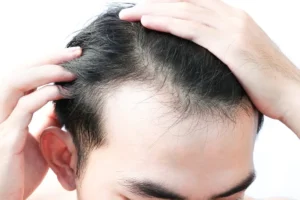
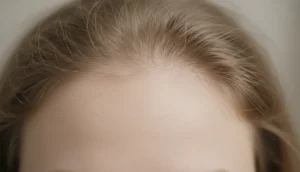
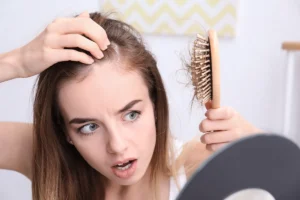
Hair loss in senior women is most often linked to female pattern baldness, a genetic condition that progresses slowly over decades. Unlike male pattern baldness, which typically creates a receding hairline, women usually notice diffuse thinning across the crown and widening part lines.
Key factors that accelerate this process include:
- Hormonal changes after menopause, especially reduced estrogen levels.
- Chronic health conditions such as thyroid disorders or anemia.
- Medications that affect hormone balance, like certain blood pressure drugs.
- Nutritional deficiencies, especially iron, zinc, and vitamin D.
Recognizing these contributors allows you to target the underlying cause rather than just the symptoms. A simple blood panel can reveal deficiencies, while a scalp examination by a qualified specialist can differentiate between scarring alopecia and non‑scarring forms.
Below is a quick comparison of common causes and their typical signs:
| Cause | Typical Sign | Recommended Test |
|---|---|---|
| Menopause‑related hormonal shift | Gradual thinning on top | Hormone panel (E2, FSH) |
| Thyroid disorder | Patchy hair loss, dry skin | TSH, free T4 |
| Iron deficiency | Fine, brittle strands | Serum ferritin |
| Genetic female pattern baldness | Widening part, crown thinning | Clinical assessment |
Non‑Surgical Options: Topical Treatments, Supplements, and Lifestyle Changes
For many senior women, the first line of defense against hair loss involves non‑invasive strategies that support natural hair growth. These solutions are often combined to maximize effectiveness while minimizing side effects.
Topical Products and Hair Growth Products
Minoxidil 5% remains the most widely studied hair growth product for women. Applied twice daily, it can increase follicle size and prolong the growth phase. Look for formulations specifically labeled for women to avoid irritation.
Vitamins and Supplements
Research highlights the role of certain nutrients in promoting healthy hair shafts. Consider incorporating:
- Biotin – supports keratin production.
- Vitamin D – essential for follicle cycling.
- Iron and zinc – combat deficiency‑related thinning.
- Omega‑3 fatty acids – improve scalp circulation.
While “best vitamins for hair growth” vary by individual, a balanced multivitamin tailored to senior women can fill gaps that diet alone may miss.
Lifestyle Adjustments
Stress management, regular exercise, and a diet rich in lean proteins, leafy greens, and antioxidants can slow hair loss progression. Gentle scalp massage with natural oils (e.g., rosemary or pumpkin seed oil) also stimulates blood flow, enhancing the delivery of nutrients to hair follicles.
| Strategy | Benefit | Suggested Frequency |
|---|---|---|
| Minoxidil application | Stimulates follicle activity | Twice daily |
| Biotin supplement | Strengthens hair shaft | Daily |
| Scalp massage | Improves circulation | 5‑10 minutes, 3×/week |
| Stress‑relief yoga | Reduces hormonal cortisol spikes | 30 minutes, 4×/week |
Medical Therapies: Prescription Medications and Advanced Treatments
When over‑the‑counter products are insufficient, medical therapies provide a more targeted approach to address the hormonal and cellular mechanisms behind hair loss.
Finasteride and Other Anti‑Androgens
Although finasteride is traditionally prescribed for men, low‑dose formulations can be used off‑label for women with androgen‑related thinning. It works by inhibiting the conversion of testosterone to dihydrotestosterone (DHT), a hormone that miniaturizes hair follicles.
Platelet‑Rich Plasma (PRP) Therapy
PRP involves drawing a small amount of the patient’s blood, concentrating the platelets, and injecting them into the scalp. Growth factors released during this process can rejuvenate dormant follicles and improve density, especially in patients who are not ideal candidates for surgery.
Combination Protocols
Many clinics adopt a hybrid regimen—using minoxidil alongside low‑dose finasteride and periodic PRP sessions. This multi‑modal approach often yields the most noticeable regrowth in senior patients, as it tackles both hormonal imbalance and follicular health.
| Medication/Treatment | Mechanism | Typical Course |
|---|---|---|
| Low‑dose finasteride | Blocks DHT production | Daily, 6‑12 months |
| PRP therapy | Delivers growth factors | 3‑4 sessions, 1 month apart |
| Minoxidil | Vasodilation, follicle stimulation | Twice daily, ongoing |
Surgical Solutions: Hair Transplant Techniques Tailored for Seniors
When non‑surgical methods reach their limits, a carefully planned hair transplant can deliver lasting, natural‑looking results for senior women. Modern techniques such as Follicular Unit Extraction (FUE) and Direct Hair Implantation (DHI) are minimally invasive and offer quick recovery, making them suitable for older patients.
FUE for Women
FUE removes individual follicular units from a donor area—usually the back of the scalp—and implants them into thinning zones. The procedure leaves tiny, almost invisible puncture sites that heal within days.
DHI Advantages
DHI utilizes a specialized implanter pen that places grafts at precise angles and depths, ensuring optimal hair direction and density. This method reduces handling time of grafts, which can improve survival rates—an important factor for patients with delicate scalp skin.
Considerations for Elderly Patients
Before committing to surgery, a thorough medical evaluation is essential. Factors such as cardiovascular health, blood pressure control, and scalp elasticity influence candidacy. Senior women often benefit from a reduced graft density to match natural hair patterns and to minimize postoperative stress on the scalp.
| Technique | Key Benefit | Recovery Time |
|---|---|---|
| FUE | Minimally invasive, scar‑free | 7‑10 days |
| DHI | Precise graft placement, higher survival | 5‑9 days |
| Robotic‑assisted FUE | Consistent depth, reduced fatigue | 7‑10 days |
Post‑Procedure Care and Long‑Term Maintenance
Successful outcomes depend not only on the chosen treatment but also on diligent after‑care. Whether you opt for topical therapy, medication, or a transplant, a structured maintenance plan helps preserve new growth and prevent future thinning.
Immediate Post‑Transplant Care
After a transplant, patients should:
- Avoid direct sun exposure for at least two weeks.
- Follow the surgeon’s washing instructions—usually gentle shampooing after 48 hours.
- Refrain from strenuous exercise that induces heavy sweating for the first week.
Long‑Term Hair Health
Continued use of minoxidil or low‑dose finasteride can support graft survival and protect existing hair. Regular scalp massages, a diet rich in protein and omega‑3s, and periodic PRP “boost” sessions can further enhance density.
Monitoring and Follow‑Up
Schedule follow‑up appointments at 3, 6, and 12 months post‑procedure to assess growth, address any side effects, and adjust medication dosages if needed. Early detection of new thinning areas allows for timely intervention, preserving the overall aesthetic result.
| Timeframe | Recommended Action | Goal |
|---|---|---|
| 0‑2 weeks | Gentle cleansing, avoid sun | Protect grafts |
| 1‑3 months | Minoxidil continuation | Stimulate early growth |
| 6‑12 months | PRP boost (optional) | Enhance density |
| Annually | Full scalp evaluation | Maintain results |
Why Choose Gold City Hair
At Gold City Hair, we combine decades of expertise with a personalized approach tailored to senior women seeking lasting hair restoration. Our clinic in Turkey offers state‑of‑the‑art FUE and DHI techniques, a dedicated medical team experienced in age‑specific care, and transparent communication throughout every step. We prioritize safety, comfort, and natural results, helping you regain confidence with a hairline that feels authentically yours.
Ready to explore the best hair loss treatment for elderly woman? Contact Gold City Hair today to schedule a confidential consultation and discover a customized plan that fits your lifestyle and goals.
SSS
What causes hair loss in senior women?
Hair loss in senior women is mainly due to female pattern baldness, hormonal changes after menopause, and health issues like thyroid disorders or nutrient deficiencies.
Which non‑surgical treatments are most effective for elderly women?
Topical minoxidil, targeted vitamin and mineral supplements, and lifestyle changes like stress management and scalp massage are the most evidence‑based non‑surgical options.
How does minoxidil work for women’s hair loss?
Minoxidil widens blood vessels in the scalp, increasing blood flow and encouraging dormant follicles to re‑enter the growth phase.
What are the benefits of PRP therapy for senior hair loss?
PRP delivers growth factors that can rejuvenate dormant follicles, improve density, and serve as a non‑surgical option for patients unsuitable for transplant.
Is hair transplant safe for older women?
Yes, modern FUE and DHI techniques are minimally invasive and can be safely performed on senior women after a thorough medical evaluation.
How should I care for my scalp after a hair transplant?
Avoid sun, follow gentle washing instructions, limit strenuous activity, and continue supportive treatments like minoxidil to protect grafts.