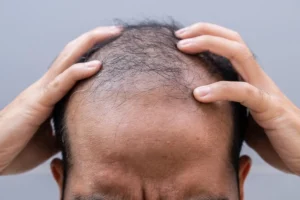
Bu high hairline is a common aesthetic concern that can affect both men and women, often leading to questions about its cause and whether it signals future hair loss. While many assume a high hairline is synonymous with a receding pattern, the reality is more nuanced. This article explores what defines a high hairline, the underlying factors that shape it, and the range of professional and lifestyle solutions available. According to recent dermatological surveys, approximately 12% of adults notice an elevated hairline before the age of 30, highlighting the relevance of early assessment.
We will begin by distinguishing a naturally high hairline from a receding one, then examine genetic, hormonal, and environmental contributors. Next, you’ll learn how to evaluate your own hairline and when professional guidance is advisable. Finally, we’ll review surgical and non‑surgical treatments—including the advanced FUE and DHI techniques offered by Gold City Hair—so you can make an informed decision about restoring a balanced hairline.
Whether you are seeking subtle adjustments or a comprehensive hairline lowering procedure, understanding the science behind a high hairline empowers you to choose the most appropriate path toward confidence‑boosting results.
What Is a High Hairline and How It Differs From a Receding Hairline

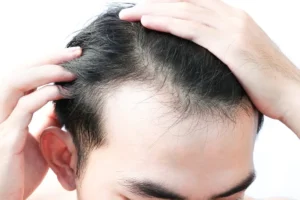
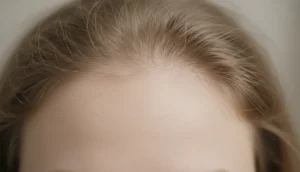
A high hairline refers to the position of the frontal hairline that sits noticeably higher on the forehead than the average range for a given age and gender. In contrast, a receding hairline involves a progressive backward movement of the hairline over time, often linked to androgenetic alopecia. While both conditions affect the frontal region, a high hairline is typically static and may be present from birth or early childhood, whereas a receding pattern evolves and can be associated with thinning hair and bald spots.
Key distinctions include:
- Origin: A high hairline is usually congenital or the result of early childhood trauma, while a receding hairline develops later due to hormonal changes.
- Progression: High hairlines often remain unchanged; receding hairlines tend to advance gradually.
- Associated Conditions: Receding patterns are frequently linked with male pattern baldness and androgenetic alopecia, whereas a high hairline may coexist with a normal hair density.
Understanding these differences is essential because treatment strategies vary. A static high hairline may be addressed with hairline lowering surgery or strategic transplantation, while a receding hairline often requires ongoing medical therapy to halt further loss.
Common Causes of a High Hairline
Several factors can contribute to an elevated hairline, and recognizing the root cause helps determine the most effective intervention.
Genetik Yatkınlık
Family history plays a significant role. If close relatives have a naturally higher frontal hairline, you may inherit the same trait. This hereditary pattern is distinct from the genetic markers associated with androgenetic alopecia, which cause progressive thinning.
Hormonal Influences
Hormones such as testosterone and dihydrotestosterone (DHT) can affect hair follicle development during puberty. While high testosterone is often linked to a receding hairline, it can also influence the final placement of the hairline in some individuals.
Trauma or Scarring
Injuries, burns, or surgical scars on the forehead can permanently raise the hairline. Scarring alopecia, a form of hair loss caused by damage to the skin, may require specialized grafting techniques to restore density.
Traction Alopecia
Repeated tension from tight hairstyles—such as high ponytails, braids, or extensions—can pull hair follicles upward, resulting in a higher hairline over time. This type of alopecia is preventable by adopting looser styling practices.
Developmental Factors
During fetal development, the timing of hair follicle formation can vary, leading some individuals to naturally have a higher hairline without any pathological cause.
| Cause | Typical Onset | Potential Treatment |
|---|---|---|
| Genetik Yatkınlık | Birth/early childhood | Hairline lowering surgery, FUE transplantation |
| Hormonal Influence | Puberty | Medical therapy (e.g., finasteride), surgical adjustment |
| Trauma/Scarring | Any age (post‑injury) | Scar revision with grafting, DHI technique |
| Traction Alopecia | Adolescence/young adulthood | Styling changes, PRP, grafting if permanent loss |
Identifying the primary cause guides clinicians in recommending the most suitable restoration plan, whether surgical or non‑surgical.
Assessing Your Hairline: When to Seek Professional Advice
Self‑evaluation is the first step, but a qualified specialist can provide a comprehensive diagnosis that considers both aesthetic goals and medical factors.
Self‑Check Checklist
- Measure the distance from the glabella (the point between the eyebrows) to the hairline. An average adult range is 6‑8 cm; significantly more may indicate a high hairline.
- Observe symmetry—uneven elevation can suggest scarring or previous trauma.
- Note any accompanying thinning or bald patches, which could point to androgenetic alopecia.
- Consider your styling habits; frequent tight hairstyles may be contributing.
Professional Evaluation
During a consultation, a hair restoration surgeon will:
- Conduct a detailed medical history review, including family patterns and hormonal issues.
- Perform a visual and dermoscopic examination to assess follicle health.
- Take standardized photographs for before‑and‑after comparison.
- Discuss realistic outcomes based on your scalp laxity and donor area density.
If you notice a sudden change in hairline height, experience itching, or have a scarred forehead, scheduling an appointment within 3‑6 months is advisable. Early intervention can expand the range of surgical options and improve graft survival rates.
Hair Restoration Options for a High Hairline
Modern hair restoration offers multiple pathways to lower an elevated hairline, each tailored to individual needs and scalp conditions.
Surgical Solutions
- Hairline Lowering Surgery: Also known as forehead reduction, this procedure removes a strip of excess scalp skin and repositions the hairline to a more natural height. It is ideal for patients with ample scalp laxity.
- Foliküler Ünite Ekstraksiyonu (FUE): Individual follicular units are harvested from the donor area (usually the back of the head) and implanted along the frontal zone. FUE provides a scar‑free result and is suitable for modest adjustments.
- Direct Hair Implantation (DHI): An advanced form of FUE that uses a pen‑like implanter for precise placement, allowing for denser graft distribution in the high hairline area.
Non‑Surgical Alternatives
- Platelet‑Rich Plasma (PRP) Therapy: Involves injecting concentrated platelets to stimulate follicle activity. While it does not dramatically lower a hairline, it can improve overall density, making the existing line appear fuller.
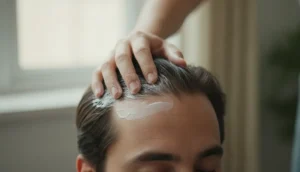
- Topical Minoxidil: A widely used over‑the‑counter solution that can thicken existing hairs, providing a subtle visual improvement.
- Low‑Level Laser Therapy (LLLT): Utilizes red light to enhance cellular metabolism in hair follicles, supporting graft survival post‑surgery.
Choosing the right approach depends on factors such as scalp elasticity, donor hair availability, and personal aesthetic goals. At Gold City Hair, the team conducts a thorough assessment to recommend a customized plan—whether it’s a full‑scale hairline lowering surgery or a minimally invasive FUE session.
Lifestyle Tips to Maintain a Balanced Hairline
Even after successful restoration, everyday habits play a crucial role in preserving the results and preventing a new high hairline from forming.
Gentle Styling Practices
- Avoid tight ponytails, braids, or buns that exert constant tension on the frontal hair.
- Use wide‑tooth combs or fingers to detangle, reducing pull on the hair shaft.
- Limit the use of heavy styling products that can clog follicles.
Nutrition and Supplements
Hair follicles thrive on a balanced diet rich in protein, iron, zinc, and vitamins A, C, D, and E. Incorporating foods such as salmon, leafy greens, nuts, and eggs supports keratin production. Some patients also benefit from biotin or marine‑based supplements after consulting a healthcare professional.
Scalp Health Maintenance
- Regularly cleanse the scalp with a mild, sulfate‑free shampoo to remove excess sebum.
- Massage the forehead area gently for 2‑3 minutes daily to stimulate blood flow.
- Consider periodic PRP sessions to keep follicle activity robust, especially if you have a family history of androgenetic alopecia.
By integrating these habits, you reinforce the longevity of surgical outcomes and foster a naturally balanced hairline.
Why Choose Gold City Hair for Your Hairline Restoration
Gold City Hair has been delivering personalized hair restoration solutions in Turkey since 2017. Our clinic combines the latest FUE and DHI technologies with a transparent, patient‑focused approach. Every treatment plan is tailored to your unique hairline anatomy, ensuring natural‑looking results and minimal downtime. Trust a team that prioritizes safety, expertise, and clear communication throughout your journey.
Ready to transform your high hairline into a confident, balanced look? Contact Gold City Hair today to schedule a comprehensive consultation and discover the best solution for you.
SSS
What defines a high hairline versus a receding hairline?
A high hairline is a static, naturally elevated frontal hairline, while a receding hairline progressively moves backward due to androgenetic alopecia.
What are the common causes of a high hairline?
Genetics, hormonal influences, trauma/scarring, traction alopecia, and developmental factors can all lead to a high hairline.
How can I assess if I have a high hairline?
Measure the distance from the glabella to the hairline; values above 6‑8 cm in adults may indicate a high hairline.
When should I consult a hair restoration specialist for a high hairline?
If you notice a sudden change, experience itching, have scarring, or simply want a permanent correction, book a consultation within 3‑6 months.
What surgical options are available to lower a high hairline?
Hairline lowering surgery, Follicular Unit Extraction (FUE), and Direct Hair Implantation (DHI) are the main surgical solutions.
Are there non‑surgical treatments that can improve a high hairline?
Non‑surgical options include PRP therapy, topical minoxidil, and low‑level laser therapy, which can enhance density but not dramatically lower the line.