Many wonder is alopecia areata permanent and what that means for their future hair growth. Alopecia areata is an autoimmune condition that causes sudden, patchy hair loss, often leaving people anxious about long‑term outcomes. Understanding the nature of this disorder, the factors that influence its course, and the range of effective treatments can empower you to make informed decisions.
In this article we explore the science behind alopecia areata, examine why some cases resolve while others persist, and outline both medical and surgical options—including hair transplantation—that can restore a fuller appearance. Whether you are experiencing your first bald spot or have struggled with recurring episodes, the information below will help you navigate the journey toward lasting confidence.
Recent studies indicate that up to 30% of individuals see spontaneous regrowth within a year, yet a significant minority face chronic hair loss. Recognizing the signs that suggest a permanent pattern is essential for choosing the right intervention at the right time.
What Is Alopecia Areata and How It Affects the Scalp
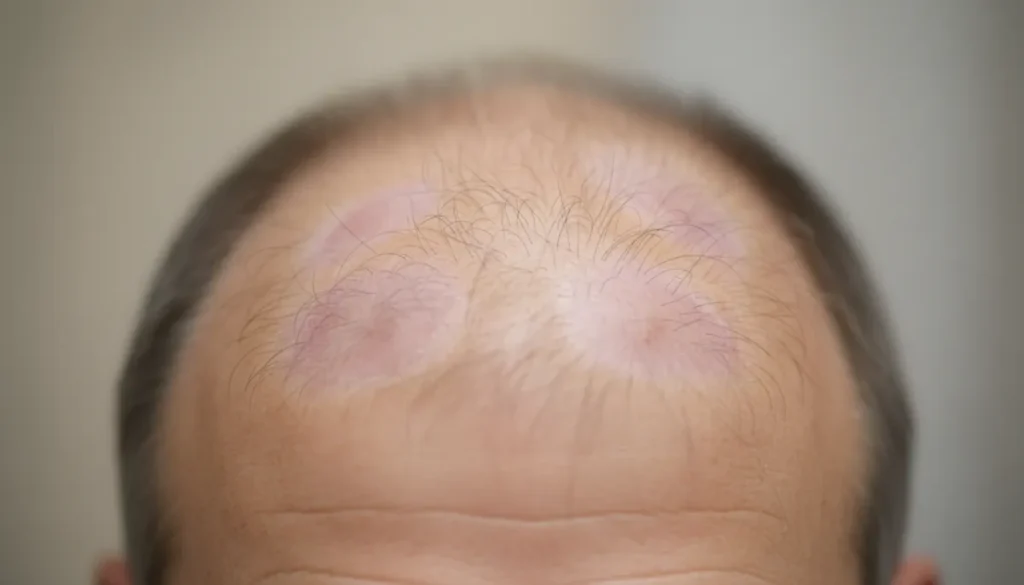
Alopecia areata is an autoimmune disorder where the body’s immune system mistakenly attacks hair follicles, leading to sudden hair shedding. The condition can appear as a single round patch, multiple spots, or, in severe cases, total scalp loss known as alopecia totalis.
Key characteristics include:
- Rapid onset of smooth, round bald patches.
- Exclamation‑mark hairs—short broken hairs at the edge of lesions.
- Potential involvement of eyebrows, eyelashes, and body hair.
While the exact trigger remains unclear, genetic predisposition combined with environmental factors such as stress or viral infections often plays a role. The disease course is unpredictable; some patients experience a single episode that resolves spontaneously, whereas others endure recurrent episodes over many years.
Factors That Determine Whether Alopecia Areata Is Permanent
Not every case of alopecia areata leads to permanent hair loss. Several factors influence the likelihood of regrowth versus chronicity.
Age at Onset
Children diagnosed before age 10 often have a higher chance of spontaneous regrowth compared to adults who develop the condition later in life.
Extent and Duration of Hair Loss
Limited, isolated patches usually resolve faster, while extensive involvement—especially when lasting more than 12 months—raises the risk of permanent damage to the follicle.
Associated Autoimmune Conditions
Individuals with thyroid disease, vitiligo, or rheumatoid arthritis may experience a more persistent form of alopecia areata, suggesting a broader immune dysregulation.
Response to Early Treatment
Prompt intervention with topical or injectable therapies can halt the autoimmune attack and improve the odds of regrowth.
| Factor | Positive Influence on Regrowth | Negative Influence on Regrowth |
|---|---|---|
| Age at Onset | Under 10 years | Over 30 years |
| Extent of Loss | Single patch < 5 cm | Multiple patches or >30% scalp |
| Duration Before Treatment | Less than 3 months | More than 12 months |
| Co‑existing Autoimmune Disease | None | Present |
Understanding these variables helps clinicians and patients gauge whether is alopecia areata permanent is a realistic concern in a given case.
Treatment Options to Promote Hair Regrowth
When faced with the question is alopecia areata permanent, exploring effective therapies is essential. Treatments aim either to suppress the immune response or to stimulate follicular activity.
Topical Corticosteroids
High‑potency steroids applied directly to the affected area can reduce inflammation and encourage hair growth. They are often the first line for mild cases.
Intralesional Injections
Triamcinolone injections delivered into the bald patches provide targeted immune suppression, showing higher success rates in adult patients.
Contact Immunotherapy
Agents such as diphencyprone (DPCP) or squaric acid dibutylester (SADBE) provoke a mild allergic reaction that diverts the immune system away from hair follicles, leading to regrowth in many chronic cases.
JAK Inhibitors
Oral medications like tofacitinib and ruxolitinib have emerged as promising options, especially for extensive or refractory alopecia areata. Clinical trials report regrowth in up to 70% of participants, though long‑term safety remains under investigation.
Adjunctive Therapies
- Low‑level laser therapy (LLLT) to stimulate cellular activity.
- Platelet‑rich plasma (PRP) injections for growth factor delivery.
- Nutritional support focusing on iron, zinc, and vitamin D.
Choosing the right regimen depends on disease severity, patient age, and personal preferences. Early, consistent treatment dramatically reduces the chance that is alopecia areata permanent becomes a lasting reality.
When to Consider Hair Transplantation for Alopecia Areata
For patients whose hair loss persists despite medical therapy, the question is alopecia areata permanent often leads to surgical consideration. Hair transplantation can offer a permanent solution, but candidacy must be carefully evaluated.
Stable Disease Phase
Transplantation is advisable only after the autoimmune activity has stabilized for at least 12–18 months, minimizing the risk of graft loss.
Donor Area Quality
A robust donor region—typically the back and sides of the scalp—provides healthy follicles that are resistant to the autoimmune attack.
Technique Selection
Modern methods such as Follicular Unit Extraction (FUE) and Direct Hair Implantation (DHI) allow precise placement of grafts, delivering natural density and minimal scarring.
| Criteria | Favorable for Transplant | Unfavorable for Transplant |
|---|---|---|
| Disease Activity | Inactive ≥12 months | Active flare‑ups |
| Donor Hair Quality | Dense, healthy follicles | Scarred or thin donor area |
| Patient Expectations | Realistic goals | Unrealistic density expectations |
When these conditions are met, a hair transplant can provide lasting coverage, effectively answering the lingering doubt of permanence.
Managing Expectations and Long‑Term Care
Even after successful treatment or transplantation, ongoing care is vital to ensure that is alopecia areata permanent no longer hinders confidence.
Regular Dermatologic Follow‑Ups
Scheduled visits allow early detection of any new autoimmune activity and timely adjustment of therapy.
Scalp Health Maintenance
- Gentle cleansing with sulfate‑free shampoos.
- Avoiding tight hairstyles that cause traction alopecia.
- Protecting the scalp from UV damage with hats or sunscreen.
Lifestyle Factors
Stress management, balanced nutrition, and adequate sleep support overall immune balance, reducing the risk of recurrence.
By integrating medical, surgical, and self‑care strategies, patients can shift the narrative from uncertainty about permanence to a proactive plan for lasting hair health.
Why Choose Gold City Hair for Your Hair Restoration Needs
Gold City Hair has been delivering personalized hair restoration solutions in Turkey since 2017. Our clinic combines the latest FUE and DHI techniques with a compassionate, transparent approach, ensuring each patient receives a tailored plan that addresses both medical and aesthetic goals. With a focus on safety, natural results, and ongoing support, we help you move beyond the question of permanence toward renewed confidence.
Ready to take the next step? Contact Gold City Hair today to schedule a personalized consultation and discover how our expert team can help you achieve lasting hair restoration.
SSS
Is alopecia areata permanent?
Alopecia areata is not always permanent; many patients experience spontaneous regrowth, while others may have chronic loss.
What factors influence whether alopecia areata becomes permanent?
Age at onset, extent and duration of loss, co‑existing autoimmune diseases, and early treatment response affect permanence.
What are the most effective medical treatments for alopecia areata?
Topical corticosteroids, intralesional triamcinolone, contact immunotherapy, JAK inhibitors, and adjunctive therapies are commonly used.
When should a patient consider hair transplantation for alopecia areata?
Transplantation is considered after the disease has been inactive for at least 12‑18 months and donor hair quality is adequate.
How can long‑term scalp health be maintained after treatment or transplantation?
Regular dermatology follow‑ups, gentle scalp care, and healthy lifestyle habits support lasting results.
Are JAK inhibitors a cure for alopecia areata?
JAK inhibitors can induce significant hair regrowth but are not considered a permanent cure.





