When a hairline operation is considered, many patients wonder how the procedure can transform both appearance and self‑esteem. This article explains the science behind hairline surgery, outlines the different techniques available, and helps you decide if this solution matches your goals. In Turkey, more than 1,200 men and women undergo hairline procedures each year, seeking a balanced forehead and fuller hair growth.
We will cover the anatomy of the hairline, the step‑by‑step process of a typical operation, recovery expectations, and how to choose a reputable clinic. By the end, you’ll understand why a hairline operation can be a safe, effective way to correct recession, raise a high forehead, or simply achieve a more youthful look.
Whether you are dealing with a receding hairline, a prominent forehead, or uneven hair distribution, the information below will guide you through the options and set realistic expectations for results.
Understanding the Hairline and Forehead Anatomy
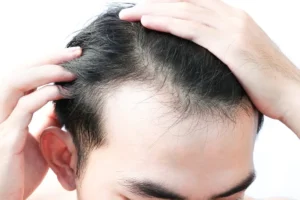
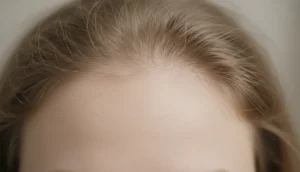
The hairline marks the transition between scalp and forehead skin, and its shape is influenced by genetics, age, and hormonal factors. A well‑defined hairline frames the face, while an overly high forehead can create a disproportionate appearance. Forehead reduction surgery ve hairline lowering surgery aim to reposition hair follicles to a more natural level, creating harmony between facial features.
Key Anatomical Considerations
- Frontal hairline: The front edge of hair growth, usually measured from the glabella to the hairline.
- Temporal points: The side extensions of the hairline that shape the overall silhouette.
- Scalp thickness: Determines graft viability and influences the choice of technique.
Common Reasons for Seeking Surgery
Patients typically pursue a hairline operation for:
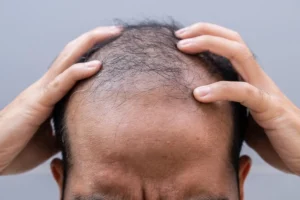
- Receding hairline due to male pattern baldness.
- Congenital hairline anomalies or uneven growth.
- Desire to lower a high forehead for aesthetic balance.

Understanding these elements helps surgeons plan the most appropriate approach, whether it’s a forehead reduction surgery or a more comprehensive hair restoration treatment.
Techniques Used in Modern Hairline Operations
Advancements in hair transplantation have expanded the options for a hairline operation. The most common methods include Follicular Unit Extraction (FUE), Direct Hair Implantation (DHI), and the newer hairline advancement procedure. Each technique differs in graft extraction, implantation depth, and recovery time.
Foliküler Ünite Ekstraksiyonu (FUE)
FUE involves harvesting individual follicular units from a donor area—usually the back of the scalp—and implanting them into the frontal zone. This method leaves minimal scarring and allows precise placement, making it ideal for hairline lowering surgery.
Direct Hair Implantation (DHI)
DHI uses a specialized pen to place grafts directly without creating pre‑made channels. The result is a higher graft survival rate and finer control over angle and direction, which is crucial for creating a natural hairline.
Hairline Advancement Procedure
This technique combines graft placement with strategic forehead tissue adjustment, effectively reducing the visible forehead height while adding density to the new hairline.
| Technique | Avantajlar | Typical Recovery |
|---|---|---|
| FUE | Minimal scarring, precise graft placement | 7‑10 days |
| DHI | Higher graft survival, natural angle | 5‑8 days |
| Hairline Advancement | Forehead height reduction, added density | 10‑14 days |
Choosing the right technique depends on the extent of the hairline correction, donor hair availability, and the patient’s aesthetic goals.
Preparing for Your Hairline Operation
Successful outcomes begin with thorough pre‑operative preparation. A detailed consultation, medical assessment, and clear expectations are essential steps before any hairline operation can proceed.
Pre‑Surgery Consultation
During the initial visit, the surgeon evaluates scalp elasticity, hair density, and facial proportions. High‑resolution photographs and sometimes a 3‑D simulation are used to illustrate potential results.
Medical Screening
Patients should disclose any chronic conditions, medications, or previous surgeries. Common exclusions include uncontrolled diabetes, active scalp infections, or recent use of anticoagulants.
Pre‑Operative Instructions
- Avoid alcohol and smoking at least two weeks before the procedure.
- Stop certain hair‑care products that may irritate the scalp.
- Maintain a balanced diet rich in vitamins A, C, and E to support healing.
Following these guidelines helps reduce complications and promotes optimal graft survival.
Recovery, Aftercare, and Expected Results
Recovery after a hairline operation is generally straightforward, but proper aftercare is vital for achieving the desired aesthetic. Most patients return to light activities within a week, while full graft integration may take several months.
Immediate Post‑Operative Phase (Days 0‑7)
Patients may experience mild swelling, redness, and scabbing around the implanted area. Gentle washing with a prescribed shampoo after 48 hours helps keep the grafts clean.
Mid‑Term Healing (Weeks 2‑8)
New hair follicles begin to emerge, and the transplanted hairs shed naturally before entering the growth cycle. During this period, avoiding direct sun exposure and harsh chemicals is recommended.
Long‑Term Results (Months 3‑12)
By the third month, noticeable hair growth appears, with full density typically achieved between 9 and 12 months. Patients often report increased confidence and satisfaction with their refreshed appearance.
| Timeline | What to Expect | Care Tips |
|---|---|---|
| Days 0‑7 | Scabbing, mild swelling | Gentle washing, avoid touching grafts |
| Weeks 2‑8 | Hair shedding, early new growth | Sun protection, no harsh chemicals |
| Months 3‑12 | Full hairline density | Maintain healthy diet, regular follow‑ups |
Cost Considerations and Value of a Hairline Operation
Understanding the financial aspect of a hairline operation helps patients make informed decisions. In Turkey, the cost of forehead reduction and hairline lowering surgeries is often lower than in many Western countries, while maintaining high clinical standards.
Factors Influencing Price
- Number of grafts required (more grafts increase price).
- Chosen technique (DHI may be pricier than FUE).
- Clinic reputation and surgeon experience.
- Inclusion of after‑care packages and medication.
Typical Price Range
For a moderate hairline correction involving 800‑1,200 grafts, patients can expect a total cost between $2,500 and $5,000, inclusive of accommodation and post‑operative follow‑ups. This range is competitive compared to the forehead reduction surgery cost in many European and North American markets.
Assessing Value
When evaluating cost, consider the long‑term benefits: a permanent solution that eliminates the need for daily concealers or repeated cosmetic procedures. Many patients view the investment as a confidence‑boosting asset that improves personal and professional interactions.
Why Choose Gold City Hair
Gold City Hair has been delivering personalized hair restoration solutions since 2017. Our clinic combines state‑of‑the‑art FUE and DHI techniques with a transparent, patient‑focused approach. Every hairline operation is tailored to individual facial geometry, ensuring natural‑looking results. Our experienced surgeons, modern facilities in Turkey, and comprehensive after‑care program make us a trusted partner for those seeking lasting confidence through hair restoration.
Ready to transform your hairline and regain confidence? Contact Gold City Hair today to schedule a personalized consultation and discover the best plan for your unique needs.
Take the first step toward a balanced, natural forehead—your new look awaits.
SSS
What is a hairline operation and how does it improve the appearance of the forehead?
A hairline operation repositions hair follicles to lower a high forehead or fill a receding line, creating a more balanced facial proportion.
Which hairline surgery techniques are most commonly used today?
The most common techniques are Follicular Unit Extraction (FUE), Direct Hair Implantation (DHI), and the hairline advancement procedure.
How should I prepare for a hairline surgery consultation?
Bring high‑resolution photos, be ready to discuss medical history, and avoid alcohol and smoking two weeks before the appointment.
What is the typical recovery timeline after a hairline operation?
Most patients resume light activities within a week; full hairline density is usually achieved between 9 and 12 months.
How much does a hairline surgery cost in Turkey compared to other countries?
In Turkey, a moderate hairline correction (800‑1,200 grafts) costs roughly $2,500‑$5,000, which is lower than prices in Europe and North America.
What are the long‑term results and benefits of a hairline lowering procedure?
Long‑term results include a permanent, natural‑looking hairline, increased confidence, and reduced need for cosmetic concealment.