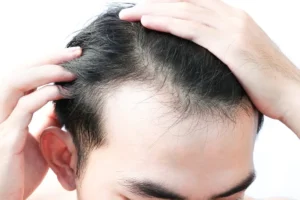
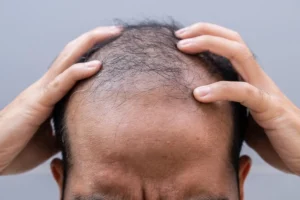
When the front of your scalp begins to thin, the search for hair replacement for receding hairline becomes urgent. Men and women alike face the emotional impact of a diminishing hairline, and modern clinics now offer a range of techniques that restore confidence without visible scarring. In this article we break down the science behind hair loss, compare the most popular restoration methods, and guide you through every step of the treatment journey. According to recent studies, more than 40% of men notice a receding hairline by age 35, making early intervention a key factor in achieving natural‑looking results.
We’ll explore why a receding hairline occurs, how procedures such as FUE and DHI differ, and what you can expect before, during, and after your appointment. Whether you are considering a subtle hairline transplant or a full‑scale hair restoration, understanding the process empowers you to make an informed decision and achieve lasting outcomes.
Read on to discover the most effective hair replacement for receding hairline strategies and why Turkey has become a global hub for safe, affordable, and high‑quality hair restoration.
Understanding the Receding Hairline: Causes and Early Signs
A receding hairline is often the first visible sign of androgenic alopecia, but it can also stem from lifestyle, medical conditions, or environmental factors. Recognizing the root cause helps you choose the most appropriate treatment pathway.
Common Causes
- Genetic predisposition – the primary driver of male‑pattern baldness.
- Hormonal changes – especially elevated dihydrotestosterone (DHT) levels.
- Stress and poor nutrition – can accelerate follicle miniaturization.
- Medical issues – thyroid disorders, anemia, or autoimmune diseases.
- Hair‑styling practices – tight hairstyles that pull on the scalp.
Early Warning Signs
- Thinning at the temples.
- Noticeable “M” shape formation.
- Reduced density along the frontal hairline.
- Increased shedding during washing.
Identifying these signs early allows you to act before the hairline recedes further. While topical treatments can slow progression, many patients find that hair replacement for receding hairline through transplantation provides a permanent, natural‑looking solution.

How Modern Hair Replacement Techniques Work
Today’s hair restoration clinics rely on minimally invasive methods that harvest individual follicles and implant them precisely where they are needed. The two most popular techniques for addressing a receding hairline are Follicular Unit Extraction (FUE) and Direct Hair Implantation (DHI). Both aim to achieve a natural hairline with minimal downtime.
FUE (Follicular Unit Extraction)
FUE involves extracting follicular units one by one from the donor area—usually the back of the head—using a micro‑punch tool. The grafts are then stored in a nutrient solution before being implanted into the recipient zone. This method leaves tiny, dot‑like scars that are virtually invisible.
DHI (Doğrudan Saç İmplantasyonu)
DHI uses a specialized implanter pen that allows the surgeon to place each graft directly into the scalp without creating pre‑made incisions. This provides greater control over angle, depth, and direction, which is crucial for recreating a natural hairline contour.
| Feature | FUE | DHI |
|---|---|---|
| Extraction Method | Micro‑punch, individual grafts | Micro‑punch, implanter pen |
| Implantation Technique | Pre‑made slits | Direct placement with pen |
| Scarring | Dot‑like, minimal | Even less visible |
| Session Length | 6‑10 hours for moderate graft count | 5‑9 hours for similar count |
| Ideal For | Patients with moderate donor density | Precise hairline sculpting |
Both FUE and DHI are considered safe and effective for hair replacement for receding hairline. The choice often depends on the desired density, the surgeon’s expertise, and the patient’s budget.
Choosing the Right Procedure for Your Hairline
Selecting the optimal method for your receding hairline involves evaluating several personal and clinical factors. Not every technique is suitable for every patient, and a thorough consultation helps tailor the plan to your unique needs.
Key Considerations
- Donor Area Quality: Sufficient density at the back of the head is essential for harvesting healthy grafts.
- Desired Hairline Shape: A soft, natural curve often looks best; DHI excels at fine‑tuned design.
- Budget Constraints: While both FUE and DHI are premium services, DHI may carry a slightly higher price due to specialized equipment.
- Recovery Time: Most patients resume light activities within 3‑5 days, but full shedding and regrowth take several months.
- Surgeon Experience: Look for clinics with a proven track record in hairline transplants.
In many cases, a combination approach is recommended—using FUE for bulk graft extraction and DHI for the delicate frontal zone. This hybrid strategy maximizes graft survival while achieving a seamless hairline.
When you discuss hair replacement for receding hairline with a qualified specialist, ask to see before‑and‑after photos of patients with similar hair patterns. Transparency builds trust and ensures realistic expectations.
What to Expect During the Hair Replacement Journey
The path from consultation to final results typically follows a structured timeline. Understanding each phase reduces anxiety and prepares you for optimal outcomes.
Pre‑Procedure Phase
- Initial Consultation – Review medical history, discuss goals, and assess donor area.
- Hairline Planning – Surgeon sketches the desired frontal outline.
- Pre‑Op Instructions – Guidelines on medication, smoking cessation, and scalp preparation.
Procedure Day
The surgery is performed under local anesthesia. Depending on the graft count, the session may last 6‑10 hours. Patients are monitored closely, and the clinic provides comfort measures such as chilled caps and soothing music.
Post‑Procedure Recovery
- Day 1‑2: Mild swelling and redness; gentle washing after 48 hours.
- Week 1‑2: Scabs form around graft sites; they fall off naturally.
- Month 2‑4: Shedding phase where transplanted hairs fall out—this is normal.
- Month 5‑12: New hair growth becomes visible; full density develops by the end of the first year.
Throughout the process, your clinic will schedule follow‑up visits to monitor graft survival and address any concerns. Most patients report high satisfaction with the natural look achieved through meticulous hair replacement for receding hairline procedures.
Aftercare and Long‑Term Results
Successful hair restoration extends beyond the operating room. Proper aftercare maximizes graft survival and ensures a natural appearance as the hair matures.
Essential Aftercare Tips
- Keep the scalp clean with a mild, sulfate‑free shampoo starting 48 hours post‑op.
- Avoid direct sunlight, harsh winds, and heavy exercise for at least two weeks.
- Follow prescribed medication regimens, including anti‑inflammatory drugs and, if recommended, finasteride or minoxidil.
- Maintain a balanced diet rich in vitamins A, C, D, E, zinc, and biotin to support follicle health.
- Schedule regular check‑ups with your surgeon to track progress.
Long‑Term Expectations
Most patients see 70‑80% of the transplanted grafts survive and produce lasting hair. The new hair grows in the same cycle as natural hair, allowing you to style it as you wish. While the transplanted area remains permanent, ongoing medical therapy can help preserve existing native hair and prevent further recession.
By committing to diligent aftercare, you protect your investment and enjoy a refreshed, youthful hairline for years to come. For those seeking a reliable hair replacement for receding hairline, combining surgical expertise with disciplined post‑operative habits yields the best results.
Why Choose Gold City Hair
Gold City Hair has been delivering personalized hair restoration solutions in Turkey since 2017. Our clinic specializes in FUE, DHI, and eyebrow/beard transplants, ensuring each patient receives a tailored plan that matches their aesthetic goals. With transparent communication, state‑of‑the‑art facilities, and a team of experienced surgeons, we prioritize safety, comfort, and natural‑looking results. Choose us for a trusted partner on your journey to a fuller, confident hairline.
Ready to transform your receding hairline? Contact Gold City Hair today to schedule a free, no‑obligation consultation and discover the perfect hair replacement solution for you.
Take the first step toward lasting confidence—your new hairline awaits.
SSS
What causes a receding hairline?
A receding hairline is mainly caused by androgenic alopecia, but genetics, hormones, stress, nutrition, medical conditions, and tight hairstyles also contribute.
How do FUE and DHI hair transplant techniques differ?
FUE extracts follicles with a micro‑punch and implants them through pre‑made slits, while DHI uses an implanter pen to place grafts directly without incisions.
Which technique is better for achieving a natural hairline?
Both FUE and DHI can produce natural results, but DHI offers greater precision for fine hairline sculpting.
What is the typical recovery time after a hairline transplant?
Most patients resume light activities within 3‑5 days, with full graft shedding and new growth occurring over 5‑12 months.
How should I care for my scalp after the procedure?
Keep the scalp clean with a mild shampoo, avoid sun and heavy exercise, follow medication protocols, and maintain a nutrient‑rich diet.
When can I expect to see new hair growth after a transplant?
New hair typically starts to appear around 5‑6 months post‑procedure and reaches full density by 12 months.
Why is Turkey a popular destination for hair replacement procedures?
Turkey offers high‑quality clinics, experienced surgeons, and competitive prices, making it a global hub for hair transplants.